
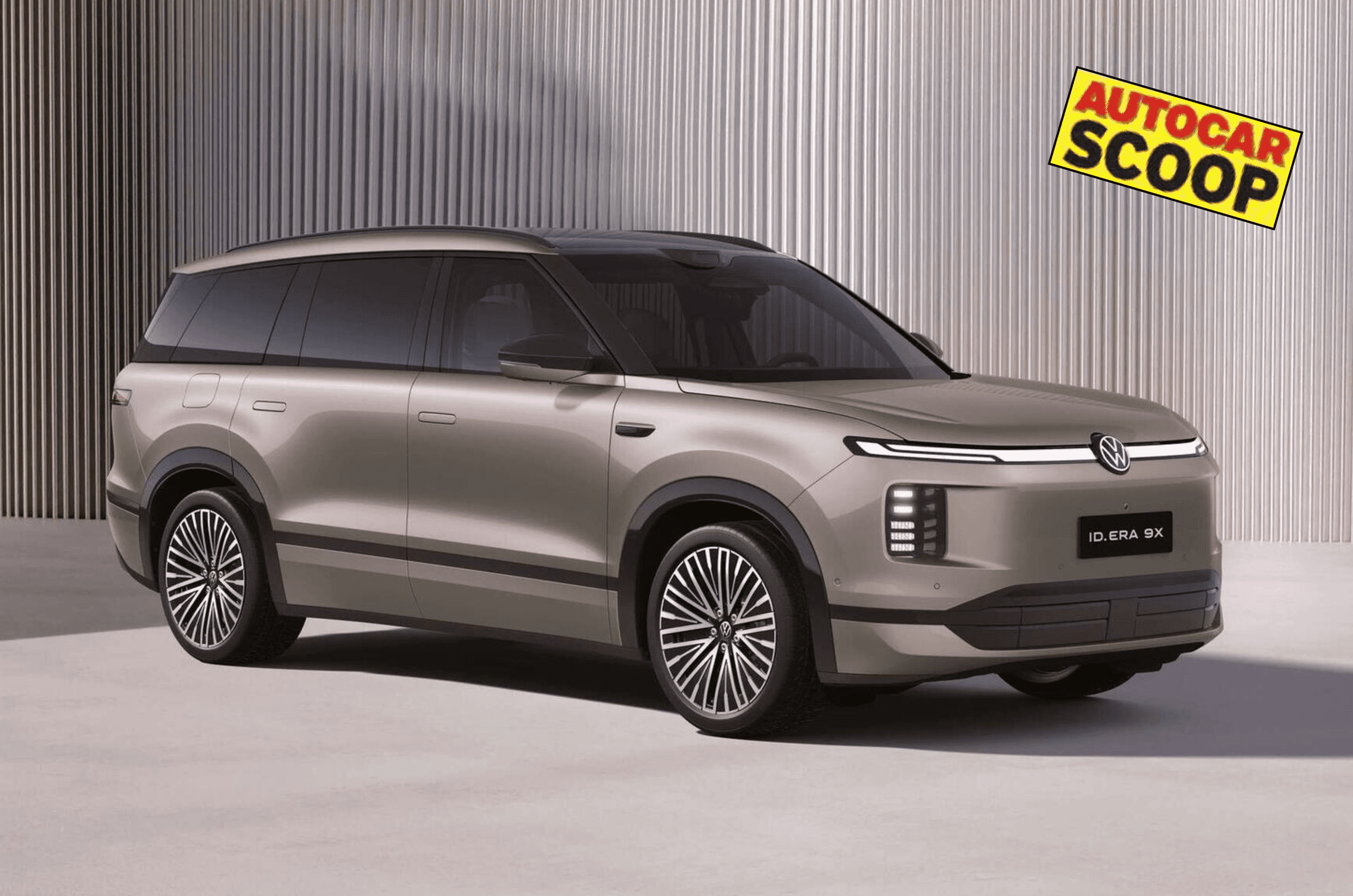
The automotive world is constantly evolving, but few shifts are as dramatic as a manufacturer considering an electric vehicle (EV) platform to underpin its internal combustion engine (ICE) and hybrid offerings. Yet, this is precisely the intriguing narrative unfolding within the Volkswagen Group regarding its ambitious plans for the Indian market. As the industry grapples with the fluctuating pace of EV adoption, VW is reportedly contemplating a radical \"EV-to-ICE conversion\" for its upcoming India Main Platform (IMP). This isn't just a technical curiosity; it’s a profound recalibration of strategy, signalling a pragmatic response to market realities and a fascinating glimpse into the future of multi-powertrain platforms. Could this unconventional approach be the key to unlocking success in one of the world's most challenging yet promising automotive markets? The sleek silhouette of a modern electric vehicle, indicative of the advanced platforms under consideration. Volkswagen’s journey into India’s electric mobility landscape has been meticulously planned, albeit with recent adjustments. The initial expectation was that the Group’s first dedicated EV for India, slated for a 2028 debut, would be built on the India Main Platform (IMP). This platform isn't entirely new; it's a localised derivative of the Compact Main Platform (CMP), an advanced, low-cost EV architecture originally developed for the demanding Chinese market. The CMP was a collaborative effort between Volkswagen and its influential joint venture partners in China – SAIC and FAW, reflecting a strategy to create highly localised, cost-effective solutions for specific regional needs. However, as sources now indicate, the plot has thickened considerably. While previous reports suggested that VW might leverage the MQB A0 37 platform for its next-generation ICE and hybrid models in India, including popular models from Skoda, this plan appears to have been shelved. Instead, Volkswagen is now actively exploring a far more unconventional route: converting the EV-centric IMP to also accommodate ICE powertrains. This represents a significant pivot, showcasing a willingness to adapt core engineering philosophies to suit evolving market dynamics. The precedent for such an audacious move isn't theoretical; VW’s Chinese joint ventures have already successfully implemented products on an adapted CMP platform, paving the way for a similar strategy in India. The rationale behind this surprising EV-to-ICE conversion of the IMP is multi-faceted. Primarily, it promises to bestow the new ICE and hybrid models with a more advanced Electrical and Electronic (E&E) architecture, a hallmark of modern EV platforms. This sophisticated E&E foundation allows for greater integration of smart features, over-the-air (OTA) updates, and future-proofing against rapidly evolving technological demands. Furthermore, using a single, adaptable platform for both hybrid and all-electric models offers substantial benefits in terms of economies of scale, component commonality, and streamlined manufacturing processes – critical factors for profitability in a price-sensitive market like India. The concept of converting an EV-designed platform to accommodate an ICE powertrain is a fascinating engineering challenge. While ICE-to-EV conversions have become relatively common in retrofitting older vehicles or developing niche products, the inverse is a testament to the industry's agility in addressing unexpected market shifts. This approach isn't merely about bolting an engine onto an electric chassis; it involves intricate redesigns to integrate fuel tanks, exhaust systems, and traditional transmission components, all while retaining the structural integrity and safety standards expected of a modern vehicle. Crucially, the advanced E&E architecture, initially designed to manage complex battery systems, electric motors, and extensive sensor networks, can be repurposed to enhance the capabilities of ICE and hybrid vehicles. This means more sophisticated infotainment systems, advanced driver-assistance systems (ADAS), and better vehicle connectivity, offering a premium experience typically associated with newer, more digitally integrated platforms. The flexibility to frequently update the vehicle’s software and features over its lifecycle further sweetens the deal for consumers and manufacturers alike. However, this strategic pivot is not without its caveats. Volkswagen openly acknowledges that this strategy is still in the evaluation phase, with its ultimate implementation in India hinging on two critical factors: affordability and a sustainable business case. India's automotive market is fiercely competitive, and even marginal cost increases can significantly impact sales volumes. If the complex engineering of an EV-to-ICE converted IMP proves too expensive or fails to yield the desired profit margins, Volkswagen has a contingency plan: extending the lifespan of the existing MQB A0 IN platform. This proven platform, which underpins successful models like the Kushaq, Taigun, Slavia, and Virtus, could be adapted with an updated E&E architecture to meet future regulatory and consumer demands, effectively buying VW more time to refine its long-term platform strategy. It's worth noting the historical parallel between the Indian and Chinese automotive markets. Both regions exhibit a strong preference for spacious, long-wheelbase vehicles, a plethora of features and cutting-edge technology, and highly competitive pricing. Given that VW's Chinese joint ventures have already demonstrated the technical feasibility and market acceptance of EV-to-ICE conversions from the CMP, replicating this success in India appears to be a credible and strategically sound solution. If the EV-to-ICE conversion of the IMP platform indeed moves forward, the powertrain configuration most likely to be offered by Volkswagen is a range extender hybrid. This technology presents a compelling blend of electric propulsion benefits with the extended range and conventional refuelling convenience of an ICE vehicle, making it particularly suitable for markets with developing charging infrastructure. In a range extender hybrid, the internal combustion engine doesn't directly drive the wheels. Instead, its primary function is to generate electricity, acting as an onboard generator to recharge the battery pack. This battery, in turn, powers the electric motors that provide propulsion to the wheels. This setup simplifies the overall engineering significantly; there's no need for complex mechanical linkages like drive shafts between the engine and the wheels, which can reduce manufacturing costs and weight. Furthermore, the ICE can be optimized to operate within its most efficient RPM range, leading to better fuel economy and lower emissions when it is engaged. For the Indian market, where range anxiety and access to public charging remain significant barriers to EV adoption, range extender hybrids offer an attractive compromise. They provide the quiet, instant torque and low-emission benefits of electric driving for shorter commutes, while the integrated petrol generator eliminates concerns about being stranded on longer journeys. Models like the VW ID Era 9X, a full-size range extender hybrid already sold by Volkswagen in China, serve as a tangible example of this technology in action and its potential suitability for India. The unexpected consideration of an EV-to-ICE platform conversion by a global automotive giant like Volkswagen underscores a broader, sobering truth across the industry: the uptake of electric vehicles has not matched the ambitious projections made just a few years ago. This slowdown isn't exclusive to India; it's a global phenomenon, prompting manufacturers worldwide to reassess their electrification strategies. Several factors contribute to this dampened enthusiasm. Foremost among them is the persistent issue of limited public charging infrastructure. While home charging is feasible for many, the lack of widespread, reliable, and fast public chargers creates significant range anxiety, particularly in developing markets. Another critical challenge is the global dependence on China for key EV components, including batteries and rare earth minerals, leading to supply chain vulnerabilities and cost fluctuations. High upfront costs of EVs compared to their ICE counterparts, coupled with lingering concerns about battery life and resale value, also play a significant role in consumer hesitation. In India, EV penetration currently hovers around 5 percent of total vehicle sales. While this figure represents growth, it falls considerably short of earlier industry expectations. Tata Motors, a leader in India's EV segment, had initially guided for an optimistic 50 percent EV penetration by 2030, a figure that has since been recalibrated to a more realistic 30 percent. Similarly, Mahindra & Mahindra, another major player, scaled back its 20-30 percent EV penetration target by 2028 to approximately 17 percent by next year. These revisions from domestic giants highlight the magnitude of the challenge. Globally, the narrative is similar, with several companies facing significant financial repercussions from their aggressive EV commitments. Stellantis, for instance, reported writing off over $22 billion in EV-related investments, while Honda recently made headlines for scrapping the production versions of its much-anticipated 0 Series SUV and sedan, attributing the decision to the slower pace of EV adoption. These are not isolated incidents but rather symptoms of an industrywide reckoning, forcing manufacturers to find innovative ways to make their substantial investments in electric architectures work across diverse market conditions. Volkswagen's proposed EV-to-ICE platform conversion is a bold move with distinct advantages and potential drawbacks for its operations in India. India’s automotive landscape is a unique blend of global trends and local specificities. Consumer preferences, price sensitivity, and infrastructure challenges dictate a nuanced approach for any international automaker. The parallels between the Chinese and Indian markets—both favoring spacious, feature-rich, and affordable vehicles—lend credibility to Volkswagen's proposed strategy. The success of the \"MQB A0 IN\" platform, which was specifically localized for India, demonstrates the importance of tailoring global strategies to local tastes and cost structures. Ultimately, Volkswagen's strategic pivot towards an EV-to-ICE converted IMP, potentially leveraging range extender hybrid technology, is a testament to the company's commitment to the Indian market and its willingness to adapt. This approach prioritizes flexibility, cost-efficiency, and technological advancement, aiming to deliver products that resonate with Indian consumers while aligning with global manufacturing efficiencies. The outcome of this evaluation will not only shape VW’s future portfolio in India but also offer valuable insights into the broader automotive industry's approach to powertrain diversification in an uncertain transitional era. Volkswagen's consideration of an EV-to-ICE conversion for its India Main Platform marks a significant, albeit pragmatic, recalibration of its strategy for one of the world's most dynamic automotive markets. In an era where the rapid transition to electric vehicles faces unforeseen hurdles, particularly in emerging economies, this innovative approach allows VW to leverage its substantial investments in advanced EV architectures while still catering to the enduring demand for ICE and hybrid vehicles. By potentially adopting range extender hybrid technology and a highly adaptable platform, Volkswagen aims to strike a delicate balance between future-proofing its lineup and addressing immediate market realities such as infrastructure limitations and consumer preferences. This strategic pivot reflects a mature understanding of the complexities of global electrification – a recognition that the path to a fully electric future might be more meandering than initially predicted. Should this unconventional strategy come to fruition, it would not only demonstrate Volkswagen's engineering prowess and adaptability but also establish a compelling new model for multi-powertrain platform development. For the Indian consumer, it could mean access to highly advanced, feature-rich vehicles that offer a bridge between traditional and electric mobility, blending the best of both worlds. As the automotive industry navigates this fascinating period of transition, Volkswagen’s move in India stands out as a bold, calculated gamble that could very well redefine success in the coming decade.Volkswagen's Strategic U-Turn: Why Its India EV Platform Might Power Future ICE Cars
The Shifting Sands of Strategy: VW's India Main Platform (IMP)
Engineering Reversal: Unpacking the EV-to-ICE Conversion
The Rise of Range Extender Hybrids: A Practical Solution?
The Harsh Reality: Why EV Adoption Isn't Soaring
Pros and Cons of VW's Strategic Pivot
Pros:
Cons:
Navigating India's Complex Automotive Landscape
Conclusion: A Pragmatic Path Forward?