
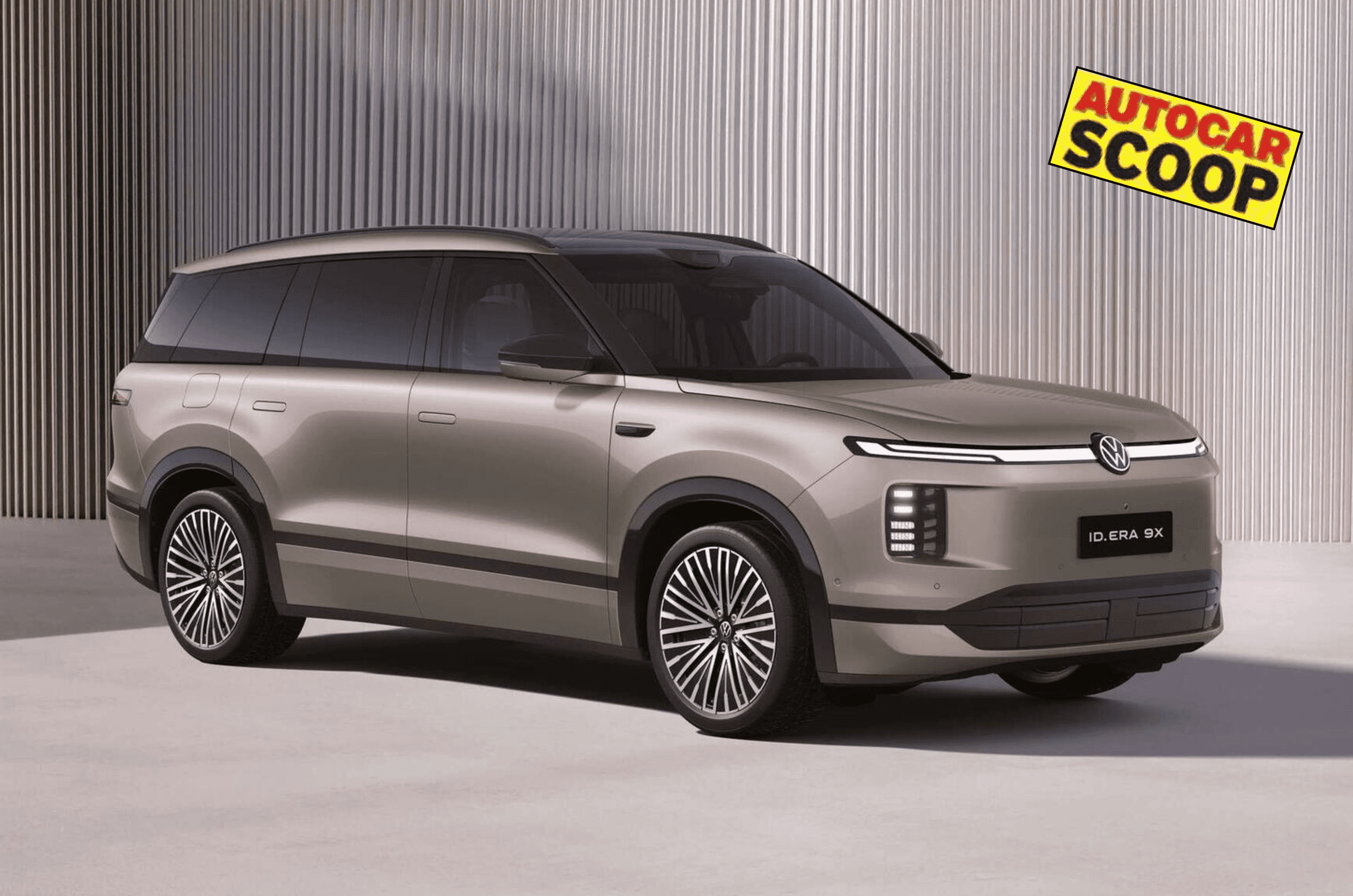
Pictured above: A glimpse into Volkswagen's electric future, exemplifying the innovative spirit driving its global ID series. The platform underpinning these advanced EVs could hold a surprising key to its Indian strategy. The global automotive industry finds itself at a pivotal juncture, navigating the ambitious transition towards electrification while grappling with the pragmatic realities of market acceptance and infrastructure development. Nowhere is this balancing act more evident than in dynamic emerging markets like India. Volkswagen Group, a behemoth in the automotive world, has been steadfast in its commitment to a sustainable future, largely spearheaded by its acclaimed ID. family of electric vehicles. However, recent developments suggest a pragmatic and potentially revolutionary shift in its strategy for the Indian subcontinent – one that sees its dedicated electric vehicle architecture potentially underpinning not just EVs, but also future internal combustion engine (ICE) and hybrid models. This isn't just a minor adjustment; it's a profound strategic pivot, demonstrating an adaptability that could redefine how global automakers approach diverse markets. Volkswagen Group's eagerly anticipated entry into the Indian electric vehicle market, projected for 2028, has long been associated with a new, localized platform. This platform, christened the India Main Platform (IMP), is not a clean-sheet design but rather an ingenious adaptation. It's an offshoot of the Compact Main Platform (CMP) – previously known as the China Main Platform – a low-cost, dedicated electric architecture initially conceived and developed for the discerning Chinese market by Volkswagen and its influential joint venture partners, SAIC and FAW. The very genesis of CMP was rooted in creating cost-effective, scalable electric vehicles for a massive, rapidly evolving market. Now, its Indian derivative, the IMP, stands poised to replicate this success. However, what makes this narrative truly compelling is the revelation that Volkswagen is actively exploring an EV-to-ICE conversion of the IMP. This isn't a typical platform strategy. Traditionally, automakers might convert an ICE platform for electrification, but going the opposite direction is far less common and speaks volumes about the current state of EV adoption globally and in India. The underlying rationale is clear: the pace of electric vehicle uptake has not met the initial fervent expectations, prompting a re-evaluation of investment strategies and market approaches. This exploration underscores a pragmatic adaptation to market realities, ensuring that substantial investments in electric architectures can yield returns even if EV sales don't skyrocket as initially predicted. For months, industry observers and enthusiasts alike had anticipated that Volkswagen and its Czech counterpart, Skoda, would leverage an updated version of the MQB A0 37 platform for their next-generation ICE and hybrid models in India. This platform, a derivative of the globally successful MQB A0 architecture, seemed a logical evolution. However, our sources now confirm a significant shift: the MQB A0 37 platform plan has reportedly been shelved. In its place, the EV-to-ICE conversion of the IMP has emerged as the frontrunner. This radical approach is not without precedent. Volkswagen's joint ventures in China have already successfully implemented similar strategies, delivering products on adapted CMP-derived platforms that accommodate both electric and conventional powertrains. India, with its similar market dynamics – a strong preference for spacious vehicles, feature-rich interiors, advanced technology, and competitive pricing – often mirrors trends seen in China. This historical alignment suggests that what has worked for VW's Chinese operations could very well be a credible solution for India. The advantages of pursuing an IMP-based EV-to-ICE conversion are compelling. Firstly, it allows future ICE and hybrid models to benefit from the more advanced Electrical and Electronic (E&E) architecture inherent to the CMP base. This translates into vehicles that are not only smarter but also capable of receiving frequent over-the-air updates, ensuring longevity and keeping them competitive in an increasingly digital automotive landscape. Secondly, the ability to utilize a single underlying architecture for both hybrid and all-electric models provides invaluable economies of scale. This optimization of resources, from development and engineering to manufacturing, can lead to significant cost efficiencies, a critical factor for success in the price-sensitive Indian market. The Volkswagen ID Era 9X, a full-size range extender hybrid sold in China, offers a tangible example of the potential technologies and philosophies VW could bring to India, showcasing the versatility of its electric platforms. However, it is crucial to reiterate that this sophisticated strategy remains in the evaluation phase. Its ultimate implementation in the Indian market hinges on two critical factors: affordability and the establishment of a sustainable business case. If these conditions cannot be met, Volkswagen might revert to extending the lifespan of the existing MQB A0 IN base, adapting its E&E architecture to comply with future requirements. This fallback plan underscores the pragmatic, two-pronged approach Volkswagen is taking to ensure its long-term viability in India. Should the audacious EV-to-ICE conversion of the IMP come to fruition, the most probable powertrain solution Volkswagen would offer for India is a range extender hybrid. This technology, while not new, is experiencing a resurgence given the current market dynamics. In a range extender hybrid, the internal combustion engine does not directly power the wheels. Instead, its sole purpose is to act as a generator, recharging the battery pack, which in turn supplies power to the electric motors that drive the vehicle. This architecture offers several distinct advantages: This solution aligns perfectly with the current Indian market context, where EV charging infrastructure is still nascent and consumers often prioritize reliability and range without dependence on external charging. It represents a pragmatic bridge technology, allowing Volkswagen to offer electrified options that resonate with immediate consumer needs. While ICE-to-EV conversions have been a common practice, the reverse – adapting an EV platform for ICE or hybrid powertrains – is a testament to the unforeseen challenges confronting the global electric vehicle revolution. What prompted this seemingly counter-intuitive move? The answer lies in the harsh reality that EV uptake has not matched the ambitious expectations, not just in India, but across major global markets. Having invested billions of dollars into developing dedicated all-electric architectures, carmakers are now urgently seeking alternative avenues to make their colossal investments financially viable. The EV-to-ICE conversion strategy is one such creative solution, a strategic deployment of existing assets to mitigate risks and capitalize on lingering demand for conventional and hybrid vehicles. In India, the situation is particularly stark. EV penetration currently hovers around a modest 5 percent, significantly below what many industry pundits had optimistically projected. Major players like Tata Motors, a leader in the Indian EV space, had initially guided for an ambitious 50 percent EV penetration by 2030, only to revise this target downwards to a more realistic 30 percent. Similarly, Mahindra, another key domestic player, had spoken of 20-30 percent EV penetration by 2028, but now aims for up to 17 percent EV share in its sales mix by next year. These revised forecasts are not signs of failure but rather pragmatic adjustments to market realities. The recent decision by Honda to scrap the production versions of its 0 Series SUV and sedan due to slower EV uptake underscores the significant challenges faced by even the most committed automakers in the current climate, highlighting a broader industry trend of re-evaluation. Globally, the narrative is much the same. The envisioned swift transition to electric has been hampered by various headwinds. Several automotive giants have either reported substantial losses linked to their massive EV commitments or have been compelled to roll back ambitious plans. Stellantis, for instance, recorded a staggering write-off exceeding 2.2 billion dollars, a stark reminder of the financial pressures. Even Honda, known for its measured approach, recently made headlines for scrapping the production versions of its much-anticipated 0 Series SUV and sedan, explicitly citing the slower-than-expected pace of EV adoption. These are not isolated incidents but rather indicators of a broader recalibration within the industry, where pragmatism is beginning to temper pure EV idealism. Volkswagen's audacious move to convert an EV-dedicated platform for ICE and hybrid use in India presents a complex array of advantages and potential drawbacks. Understanding these facets is crucial to appreciating the strategic depth of this decision. Volkswagen's exploration of an EV-to-ICE conversion for its India Main Platform (IMP) is a vivid illustration of the automotive industry's current adaptive strategies. It signifies a mature and pragmatic response to the slower-than-anticipated global electric vehicle transition, particularly in complex and price-sensitive markets like India. While the initial vision might have been a pure electric offensive, the reality dictates a more nuanced approach, one that leverages existing technological investments while simultaneously catering to immediate market demands for conventional and hybrid powertrains. This strategic pivot, if successfully executed, could provide Volkswagen a crucial competitive edge. By offering advanced range extender hybrids on a flexible, modern architecture, it can deliver sophisticated, efficient, and technologically superior vehicles that mitigate range anxiety and reliance on nascent charging infrastructure. It's a testament to the fact that in the dynamic world of automotive manufacturing, rigid adherence to initial plans can be a detriment. Instead, flexibility, adaptability, and a keen understanding of local market nuances are the true hallmarks of long-term success. Volkswagen's journey in India is poised to be a fascinating case study in how global giants navigate the complex, ever-evolving landscape of automotive electrification.Volkswagen's India Pivot: Why its First EV Platform Might Power Future ICE and Hybrids
The India Main Platform (IMP): A Foundation for Unconventional Growth
Skoda-VW's Evolving Strategy: The End of MQB A0 37 and the Rise of IMP Flexibility

The Potential Powerhouse: Range Extender Hybrids
The Global EV Slowdown: What Prompted This Strategic Reversal?

Pros and Cons of VW's EV-to-ICE Platform Strategy
Pros:
Cons:
Conclusion: A Pragmatic Path in a Fluid Market