
The automotive landscape is evolving at an unprecedented pace, shifting from mere mechanical prowess to a seamless integration of cutting-edge technology. In this fiercely competitive arena, where the digital experience is becoming as crucial as horsepower, Hyundai has just pulled back the curtain on its most ambitious leap yet: Pleos Connect. This isn't just another infotainment system; it's a meticulously crafted digital ecosystem designed to redefine how drivers and passengers interact with their vehicles. Set to debut in the refreshed Hyundai Grandeur luxury sedan in Korea and subsequently roll out globally, including the highly anticipated Ioniq 3 EV, Pleos Connect promises a blend of intuitiveness, connectivity, and artificial intelligence that could fundamentally alter the driving experience. But does this bold venture live up to the hype, or are we witnessing another iteration of tech-laden promises that fall short on the open road? At its core, Pleos Connect represents Hyundai's strategic pivot towards software-defined vehicles (SDVs), recognizing that the future of mobility is increasingly digital. The system's design philosophy, as articulated by Hyundai, hinges on 'intuitiveness and simplicity,' aiming to strike a delicate balance between advanced digital functionality and user-friendly interaction. This ethos manifests in a hybrid control scheme that ingeniously combines expansive touchscreens with tactile physical buttons – a crucial detail in an age where some manufacturers have controversially moved to almost exclusively screen-based controls. The focal point of the Pleos Connect experience is undoubtedly its substantial dashboard-mounted display. In the Grandeur, this unit measures an impressive 17 inches, positioning it squarely among the largest screens in the premium automotive segment. Such a large canvas immediately conjures images of immersive visuals and expansive information display, but it also raises questions about potential driver distraction and glare in varying light conditions – a challenge all manufacturers face with these colossal displays. The user interface (UI) itself is thoughtfully segmented into three core areas, designed for clarity and ease of access: Beyond the main display, Pleos Connect extends its reach to a secondary, slimmer driver's display. This unit, typically behind the steering wheel, dedicates itself to core driving information: speed, media context, and crucial turn-by-turn navigation prompts. The integrated navigation system itself has undergone a significant overhaul, leveraging existing user data to offer a thoroughly reworked, configurable layout, streamlined menus, intuitive icons, and real-time traffic updates. This focus on an improved native navigation experience is noteworthy, as many drivers still prefer the familiarity and often superior functionality of their smartphone-based mapping apps. Crucially, Hyundai has opted to retain a substantial degree of physical control, addressing a rising tide of consumer and critical feedback regarding the over-reliance on touchscreens. The steering wheel remains generously equipped with buttons for audio, cruise control, and voice commands, while a dedicated row of physical controls sits beneath the main touchscreen, providing quick access to essential functions like volume and climate. Furthermore, Pleos Connect introduces a clever three-finger gesture for the main touchscreen, allowing users to effortlessly reposition app windows or instantly close unnecessary applications – a gesture-based control that hints at a more intuitive and less distracting user experience. One of the most compelling and strategically significant features of Pleos Connect is the introduction of its open platforms: the App Market and Pleos Playground. This move signifies Hyundai's ambition to create a vibrant, expanding ecosystem within its vehicles, rather than a closed-off system. By allowing third-party services to develop and integrate their applications directly into the Pleos Connect interface, Hyundai is paving the way for unprecedented customization and functionality. Initial partnerships already announced include familiar names like NAVER (offering maps and auto services, particularly strong in Korea), YouTube for video entertainment, and audio streaming giants Spotify and Genie. \"Essential\" is also listed, which could refer to a variety of critical vehicle-related services. This initial roster is just the beginning, with Hyundai actively planning to forge more external partnerships to expand Pleos Connect’s functionality into areas such as gaming, advanced entertainment, and comprehensive vehicle management services. This strategy draws parallels with the success of smartphone app stores, or even in-car systems like Apple CarPlay and Android Auto, but with a critical distinction: direct, deep integration. While CarPlay and Android Auto mirror phone apps, Pleos Connect aims for native applications, theoretically offering more seamless operation and direct access to vehicle systems. This could allow for truly innovative apps that leverage car data or controls in ways a mirrored phone app cannot. However, the success of such a platform hinges entirely on developer adoption and the quality of integrated services, which can be a significant hurdle even for established tech giants. Hyundai will need to work hard to incentivize developers to build for their specific platform. Complementing the robust display and app ecosystem is Gleo AI, Hyundai's integrated voice assistant. Initially, Gleo AI will focus on enhancing vehicle control and convenience features through intuitive voice commands. This foundational capability is expected to evolve rapidly, with Hyundai promising updates that will expand its support to \"a variety of application services\" further down the line. Hyundai claims Gleo AI boasts impressive natural language processing, capable of understanding and executing multiple commands within a single request. Imagine saying, \"Navigate to the nearest EV charging station, turn up the heat to 22 degrees, and ventilate my seat.\" If Gleo AI can consistently deliver on this promise, it would represent a significant leap over many current voice assistants, which often struggle with complex, multi-part instructions. Beyond vehicle controls, Gleo AI can also tap into web searches to provide answers to queries regarding news, weather, and sports, positioning it as a true in-car information hub. The success of voice assistants, however, often faces scrutiny regarding their accuracy in real-world driving conditions – road noise, passenger chatter, and accents can all pose significant challenges. It remains to be seen how robust Gleo AI's performance will be in diverse environments. Pleos Connect isn't just a new infotainment system; it's a strategic foundational component for Hyundai’s long-term vision. It marks the company's critical initial foray into SDV (Software-Defined Vehicle) architectures. In an SDV, software plays a dominant role in defining vehicle features, functions, and overall performance, enabling capabilities that go far beyond traditional hardware-centric designs. Looking further down the road, Hyundai's ambition extends to transitioning from SDVs to AIDVs (Artificial Intelligence-Defined Vehicles). This evolution implies an even deeper integration of AI, where the vehicle doesn't just execute commands but learns, anticipates, and proactively enhances the driving experience based on user habits, environmental data, and real-time conditions. This futuristic concept, while exciting, also brings forth complex ethical and privacy considerations that will need careful navigation. A hallmark of the SDV approach, and central to Pleos Connect's strategy, is the implementation of OTA (Over-The-Air) updates. Similar to how our smartphones receive updates, OTA technology will allow Hyundai to continually deploy new features, performance enhancements, and security patches to Pleos Connect-equipped vehicles remotely. This means a car purchased today could gain entirely new functionalities months or even years down the line, significantly extending its technological lifespan and keeping it current in a rapidly changing digital world. The scale of Hyundai's ambition is evident in its rollout plan: the Hyundai Group intends to equip approximately 20 million Hyundai, Kia, and Genesis models with Pleos Connect by 2030. This widespread adoption across its diverse portfolio underscores the system's strategic importance and signals that Pleos Connect, or its successive iterations, will be a defining feature of almost every new vehicle unveiled by the Korean automotive giant in the coming years. This mass rollout presents an enormous opportunity for market penetration, but also a monumental challenge in ensuring consistent performance, reliability, and user satisfaction across millions of vehicles and diverse global markets. Hyundai's Pleos Connect is more than just a refreshed infotainment system; it's a profound statement of intent. By launching an open platform, integrating sophisticated AI, and committing to OTA updates, Hyundai is positioning itself at the vanguard of the automotive industry's digital transformation. The promise of a seamlessly connected, intelligently responsive, and continuously evolving vehicle experience is immensely appealing, offering drivers unprecedented levels of customization and convenience. However, the road to a fully realized SDV and AIDV future is fraught with challenges. Ensuring robust security for millions of connected vehicles, maintaining flawless software performance, and overcoming potential user apprehension regarding privacy will be crucial. The delicate balance between dazzling digital capabilities and ensuring driver focus remains paramount. While Pleos Connect showcases an impressive array of features that genuinely push the envelope, its ultimate success will be measured not just by its technological prowess, but by its ability to enhance the driving experience safely, reliably, and intuitively for a global audience. For enthusiasts and everyday drivers alike, Pleos Connect signals an exciting chapter for Hyundai, hinting at a future where our cars are not just modes of transport, but intelligent, personalized co-pilots. As it rolls out in models like the Grandeur and Ioniq 3, the real-world performance and user feedback will ultimately determine whether this ambitious venture truly sets a new industry standard or simply adds another layer of complexity to the digital dashboard. One thing is certain: the automotive world is watching, eager to see if Hyundai’s Pleos Connect can indeed deliver on its monumental promise.Hyundai's Pleos Connect: A Deep Dive into the Future of In-Car Infotainment – More Than Just a Pretty Screen?
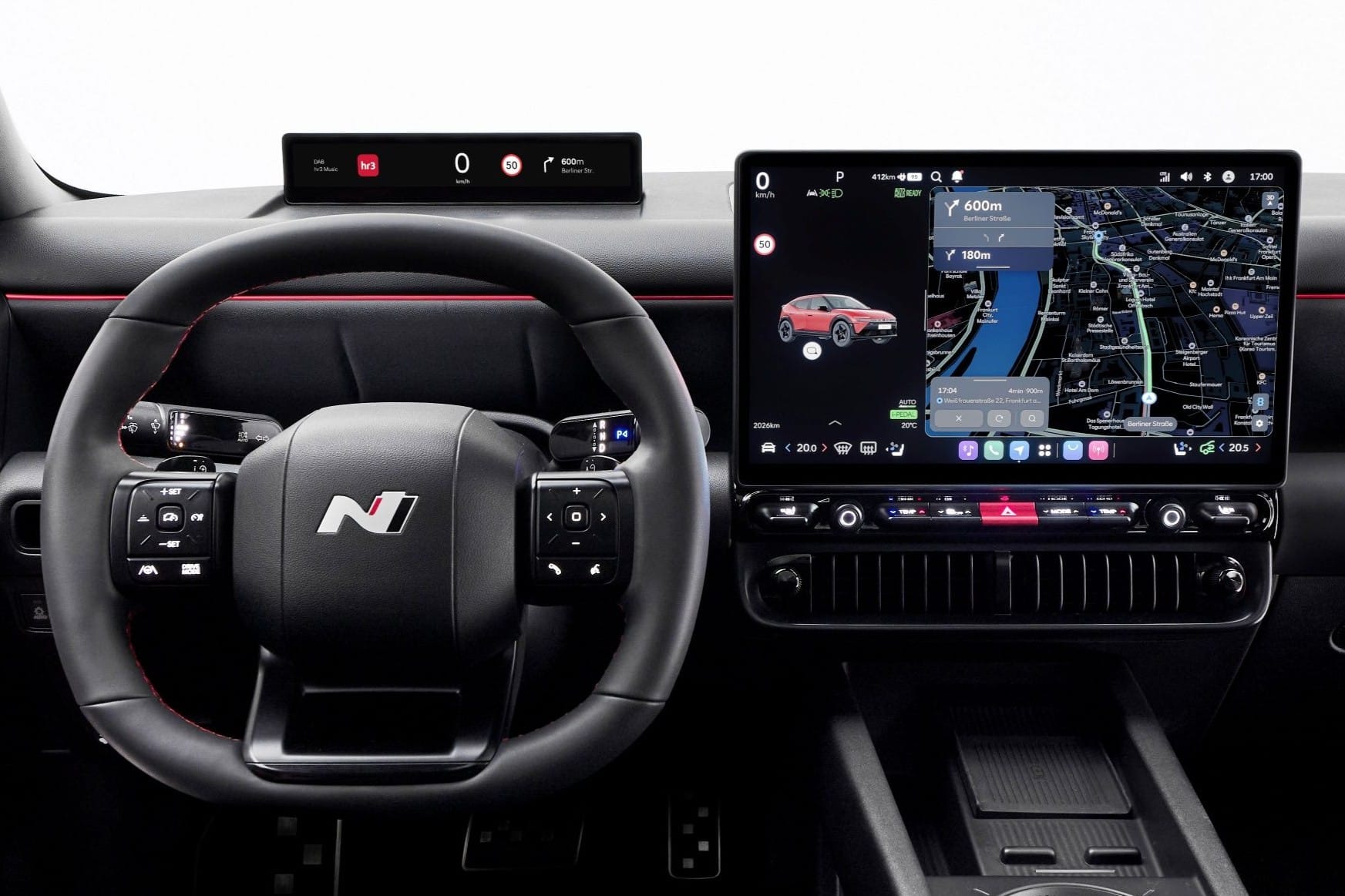
Decoding Pleos Connect: A New Era of In-Car Digital Interaction
The Digital Canvas: Hardware and User Interface Overview
Beyond Navigation: The App Market and Gleo AI Revolution
The Open Ecosystem: App Market and Third-Party Integration
Gleo AI: Your Intelligent Co-Pilot?
The Road Ahead: Pleos Connect as a Gateway to SDVs and Beyond
Continuous Evolution and Widespread Adoption
Pleos Connect: Pros & Cons
Pros
Cons
The Verdict: A Bold Step, But Challenges Remain