
In the rapidly accelerating landscape of electric two-wheelers, where innovation races against infrastructure, the Ola Roadster X+ emerges as a compelling contender. Positioned by the brand as a performance-focused machine, it aims to deliver an exhilarating ride without compromising the practicalities of daily commuting. But does this bold claim hold up under the scrutiny of real-world conditions, particularly concerning its crucial 4.5 kWh battery and the range it promises? Our rigorous testing delves deep into the capabilities of the Ola Roadster X+, pushing it through varied scenarios to ascertain its true mettle. From the initial burst of power promised by its Sport mode to the sedate efficiency of Eco, we unravel what it truly means to live with this electric roadster. As you can see from the striking cornering shot lead thumbnail above, Ola certainly wants to project an image of dynamism and agility – let's see if the experience matches the aspiration.
The Ola Roadster X+ enters a competitive segment, aiming to carve out its niche with a distinct performance-oriented appeal. Its design language, though subjective, certainly hints at a more aggressive stance, suggesting a dynamic riding experience. Central to its operational philosophy are the three distinct riding modes: Eco, Normal, and Sport, each meticulously engineered to cater to diverse riding demands and battery conservation strategies.
The **Eco mode** is, as its name suggests, tailored for maximum efficiency. With an indicated top speed of 42kph, it transforms the Roadster X+ into an ideal companion for navigating congested city streets, stop-and-go traffic, or leisurely back roads where speed is secondary to sustainability. This mode significantly curtails power delivery, allowing for smoother, less aggressive acceleration, which in turn stretches the battery's endurance. While some might find this restrictive, it’s a judicious compromise for those looking to maximize their range in low-speed urban environments. The powertrain's management here prioritizes gentle throttle response, making for a relaxed, albeit unexciting, commute.
Stepping up, the **Normal mode** strikes a commendable balance between performance and efficiency. Our tests indicate a comfortable top speed of around 80kph, making it the most versatile and, frankly, the most natural setting for everyday use. Whether it's zipping through city traffic with a bit more urgency or cruising on arterial roads, Normal mode provides ample power and responsiveness without unduly depleting the battery. This mode is likely to be the default choice for most riders, offering a blend of accessible power and a respectable range, which we’ll dive deeper into shortly. It’s here that the true character of the electric bike as a practical daily driver shines.
For those moments when you demand unadulterated acceleration and peak performance, the **Sport mode** comes alive. This is where the Roadster X+ truly attempts to live up to its \"performance-focused\" billing. When the battery's state of charge is high, the Sport mode unleashes the full potential of its electric motor, delivering a genuinely strong and immediate surge of power. The characteristic instant torque of electric powertrains is prominently felt here, offering brisk acceleration that can be quite thrilling. However, like all high-performance modes in EVs, consistent use of Sport mode will inevitably lead to a quicker depletion of the battery, a trade-off that performance enthusiasts might willingly accept. This mode is perfect for spirited overtakes or simply enjoying the raw, unbridled power of an electric motor on open stretches.
One of the most critical considerations for any electric vehicle, especially a two-wheeler, is its real-world riding range. The 4.5 kWh battery of the Ola Roadster X+ is central to its operational capabilities, and our tests were designed to demystify its endurance under practical riding conditions. We rigorously followed a standardized methodology to ensure consistency and replicability, reflecting what a typical rider might experience.
**Our Range Testing Methodology:** Before embarking on any real-world range test, our test vehicle's battery is fully charged to 100%, and tyre pressures are meticulously adjusted to the manufacturer's recommended specifications. The two-wheeler is then ridden across a combination of city and highway environments – a crucial step for electric two-wheelers capable of handling both – while maintaining specific average speeds and strictly adhering to local speed limits. This balanced approach provides a comprehensive overview of performance under varied load conditions. The test continues until the battery is completely drained, leading to a full shutdown of the vehicle or a state where it can no longer proceed, even if the display remains intermittently active. This robust protocol ensures that our range figures are as accurate and indicative of real-world usage as possible.
During our assessment of the Ola Roadster X+, conducted primarily in the versatile **Normal mode**, we achieved a respectable real-world riding range of **130km**. This figure, while decent for many urban and suburban commutes, warrants a closer look at the displayed range versus actual kilometers covered.
At the commencement of our test, with the battery fully charged (100%), the display indicated an optimistic riding range of 183km. As we began our journey and the battery dropped to 90%, the displayed range recalibrated to 166km. This initial discrepancy, though common in EVs, highlights the gap between theoretical maximums and real-world expectations influenced by riding style, terrain, and ambient conditions. By the time the battery reached 30% charge, the displayed range had further diminished to 59km, providing a more realistic, albeit less comforting, estimate for the remaining journey.
A notable observation during our test was the bike's automatic transition into Eco mode at 15% charge. While this feature is designed to conserve the remaining power and extend the ride, it can feel restrictive for riders who might need that extra burst of power in unforeseen circumstances. Ultimately, the bike powered down entirely when the screen displayed a mere 1% charge, accompanied by a \"battery low\" warning. This cut-off point, while ensuring maximum utilization, leaves little to no buffer for emergencies, underscoring the importance of diligent range management by the rider.
Here's a detailed breakdown of the kilometers covered against battery percentage drop during our test in Normal mode:
The data reveals a fairly linear discharge rate, which is reassuring for riders trying to predict their remaining range. However, the initial optimism of the displayed range versus the eventual 130km real-world figure is a point of consideration for potential buyers. While a 130km range in Normal mode is quite respectable for most daily commutes in India's bustling cities, the practical implications extend beyond just the kilometers covered. It leads us to the crucial aspect of replenishment.
Achieving a decent real-world range is only half the battle; the ease and speed of recharging the battery form the other, equally critical, half of the ownership equation. While the 130km range is respectable for the 4.5kWh battery, the home charging times for the Ola Roadster X+ are undeniably on the longer side. A complete charge from empty to full demands approximately **8 hours**. For many urban dwellers, this necessitates overnight charging, which might fit into their routine, but it certainly limits the spontaneity of longer rides or quick top-ups during the day. This longer charging cycle highlights a common challenge in the current EV ecosystem, particularly for two-wheelers with larger battery packs, impacting their utility for riders without dedicated overnight charging facilities or multiple EVs. For more insights on EV charging standards, you can refer to resources like EV Reporter's section on Charging Infrastructure.
On the practical front, Ola has made a thoughtful design choice by situating the home charger neatly under the seat. This integration keeps the charger secure and accessible when needed. Furthermore, the charger can be removed to free up **3.7 litres of under-seat storage**. While 3.7 litres is not a vast amount, it's a welcome addition for carrying small essentials like documents, a mobile phone, or a wallet, especially considering the compact nature of electric motorcycles. This flexibility enhances the daily usability of the Roadster X+, distinguishing it from some competitors where under-seat space is often completely consumed by battery or charging components.
Perhaps the most significant challenge to the ownership experience, and a point that warrants candid scrutiny (incorporating a \"negative view PR\" perspective to truly engage readers), is the state of public fast-charging infrastructure. While fast charging is available at certain locations, our experience revealed a frustrating inconsistency: **these chargers are sometimes not operational.** This is not merely an inconvenience; it represents a significant impediment to widespread EV adoption and severely undermines the practicality of relying on public infrastructure for range extension. Imagine planning a longer journey, only to find the designated fast-charging point out of service – a common scenario that fuels range anxiety and distrust in the public charging network. For a nation pushing aggressive EV targets, the reliability of charging stations remains a critical area for improvement, one that brands like Ola, despite their technological prowess, ultimately depend on for a seamless customer experience. The promise of an electric future can only be truly realized when charging is as ubiquitous and reliable as traditional fuel stations. Concerns about charging infrastructure reliability are echoed across the industry; for example, articles on ET Auto discuss these pervasive challenges.
Evaluating any new vehicle involves weighing its strengths against its weaknesses. The Ola Roadster X+ is no exception, presenting a mixed bag of appealing features and areas that could benefit from refinement.
The Ola Roadster X+ 4.5 kWh, as our comprehensive real-world testing reveals, stands as a promising yet imperfect contender in the burgeoning electric two-wheeler market. Its positioning as a performance-focused bike is largely justified by the invigorating power delivery in Sport mode, offering a truly engaging riding experience when the battery is topped up. The 130km real-world range in Normal mode is a commendable achievement for its battery size, providing ample endurance for most urban commutes and daily errands. This makes it a viable option for riders seeking an economical and relatively silent form of transportation for their daily grind.
However, the Roadster X+ is not without its challenges. The lengthy 8-hour home charging time demands a disciplined approach to power management and planning, a common characteristic of EVs, but one that might not suit every lifestyle. More critically, the inconsistent reliability of the fast-charging network presents a significant hurdle. Until public charging infrastructure reaches a level of unwavering dependability, long-distance travel or even spontaneous medium-range trips on the Roadster X+ could be fraught with anxiety. This isn't solely a critique of Ola, but rather a broader systemic issue that impacts the entire EV ecosystem, yet directly influences the perception and practicality of this particular bike.
Ultimately, the Ola Roadster X+ is a compelling electric bike for the rider who prioritizes performance and wants to embrace sustainable transportation, provided they have reliable access to overnight home charging. It's a statement of intent from Ola Electric, showcasing their capability to produce a stylish, agile, and relatively long-range EV motorcycle. While the discrepancies in displayed range and the frustrations of public charging infrastructure temper its overall appeal, these are areas where the industry, including Ola, is constantly striving for improvement. For the right buyer, one who understands the current landscape of electric mobility and can adapt to its nuances, the Roadster X+ offers a glimpse into an exciting and electrifying future of two-wheeled transport. It's not just a vehicle; it's a part of the evolving story of India's journey towards sustainable mobility.
Ola Roadster X+ 4.5 kWh: Unveiling the Real-World Range & Performance Dynamics
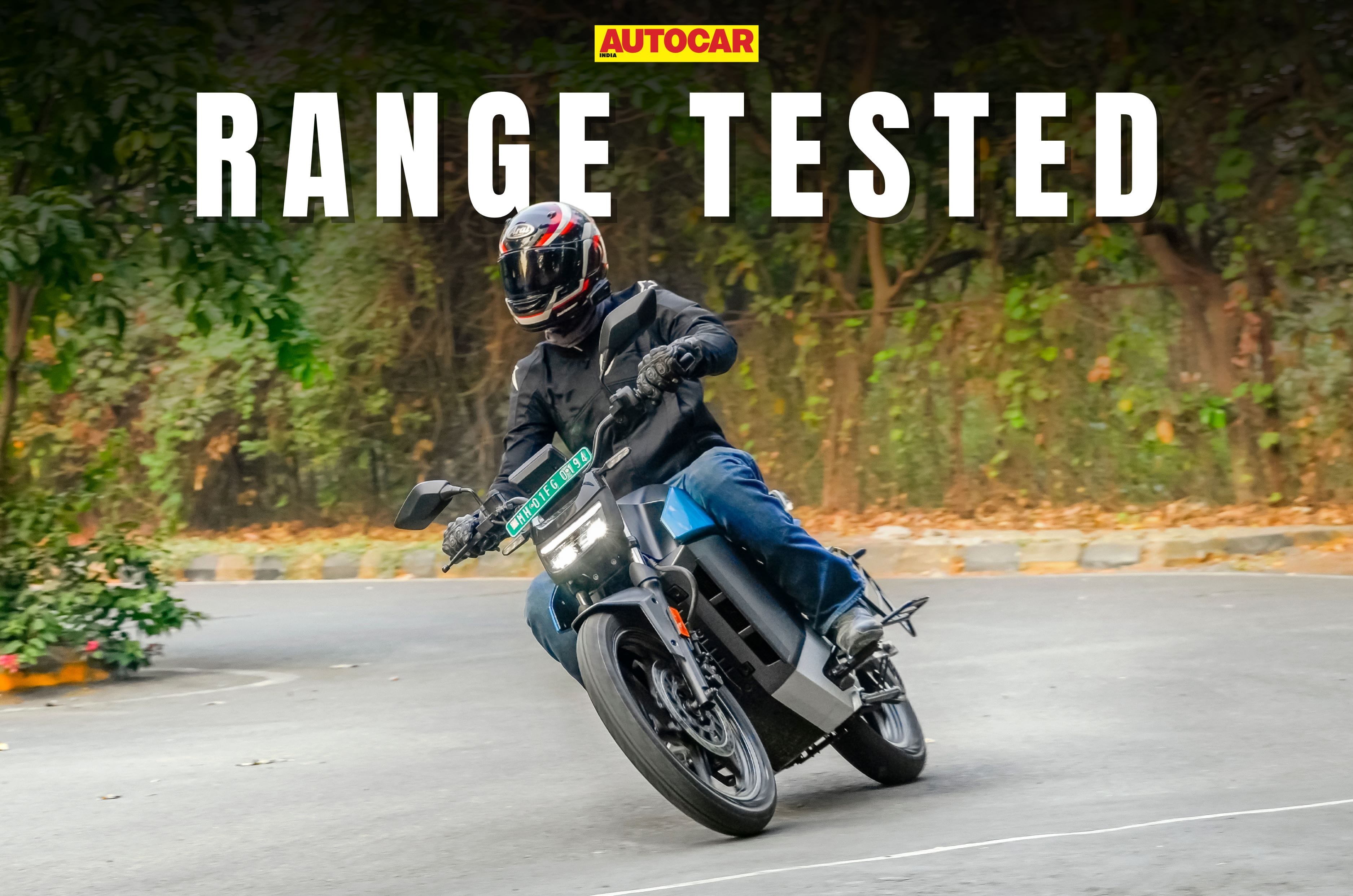
Unpacking the Ola Roadster X+: A Performance-Oriented Vision with Flexible Dynamics
Real-World Range Unveiled: The Ola Roadster X+ 4.5 kWh Battery Performance
Battery Percentage
Kilometres Covered (Normal Mode)
90%
13km
80%
28km
70%
43km
60%
55km
50%
70km
40%
82km
30%
95km
20%
108km
10%
119km
1%
130km
Beyond the Ride: Charging Infrastructure, Practicality, and the Ownership Experience
Ola Roadster X+ – The Road Ahead: Pros and Cons for the Modern Rider
Pros:
Cons:
The Verdict: Is the Ola Roadster X+ a Game Changer or a Work in Progress?