
The gears of India's automotive industry continue to grind forward with remarkable momentum, defying global headwinds and consistently setting new benchmarks. March 2026 has proven to be yet another testament to this resilience and robust consumer demand, showcasing a vibrant landscape where established giants fortify their positions, while agile challengers carve out significant gains. From the bustling compact car segment to the ever-expanding SUV dominion, and the nascent but rapidly growing electric vehicle space, the Indian passenger vehicle (PV) market is a dynamic arena of innovation and intense competition. But beneath the headline-grabbing growth figures, what deeper currents are shaping this narrative? Let’s take a meticulous look at the performance of key players and dissect the underlying trends propelling India's automotive future.
The aggregated sales data for March 2026 paints a predominantly optimistic picture across the Indian passenger vehicle sector. Most major carmakers have not only sustained but significantly accelerated their growth trajectory compared to the previous year. This consistent upward trend underscores a healthy demand environment, potentially buoyed by a stable economic outlook, new model introductions, and aggressive marketing strategies. The market continues to be highly competitive, with every percentage point of market share fiercely contested.
India’s largest carmaker, Maruti Suzuki, once again demonstrated its formidable market leadership by reporting domestic sales of 1,69,428 units in March 2026. This impressive figure translates to a robust 10.27 percent year-on-year increase, solidifying its dominant position. Maruti's strategy of offering a diverse portfolio catering to various segments continues to pay dividends.
Tata Motors firmly held onto its coveted second position in March 2026, registering domestic sales of 66,971 units. This represents a significant 29 percent year-on-year surge and an impressive 19 percent month-on-month increase from February 2026, clearly indicating accelerated growth.
The homegrown automaker’s success is largely attributed to its compelling SUV portfolio, with models like the Nexon and Punch remaining undisputed volume drivers. Furthermore, Tata's pioneering efforts in the CNG and electric vehicle (EV) segments have provided a critical competitive edge, capturing a growing base of eco-conscious buyers. Shailesh Chandra, MD and CEO of Tata Motors Passenger Vehicles and Electric Mobility, highlighted the positive reception for recent launches and updates, including the Sierra, Punch facelift, and new petrol variants of the Harrier and Safari, all contributing to an uptick in bookings and deliveries.
Close on Tata’s heels, Mahindra & Mahindra posted strong domestic sales of 60,272 units in March 2026, marking a significant 25 percent increase over March 2025. This also represents a healthy 13 percent month-on-month growth, underscoring consistent demand.
Mahindra's strategic focus on its SUV-led portfolio continues to be its primary growth engine. Models like the Scorpio-N, Thar, and the Thar Roxx are performing exceptionally well, capturing the adventurous spirit of Indian consumers. The introduction and subsequent deliveries of new models such as the XUV 7XO and XEV 9e are further bolstering its sales volumes and expanding its electric offerings.
Hyundai Motor India, a consistent strong performer, registered domestic sales of 55,064 units in March 2026, marking a 6.3 percent increase year-on-year. While not as explosive as some domestic players, this steady growth indicates sustained consumer confidence in the brand.
The carmaker’s core lineup, including the ever-popular Creta, Venue, and i20, continues to drive significant volumes. Tarun Garg, MD and CEO of Hyundai Motor India, highlighted the company's highest-ever quarterly domestic sales of 1,66,578 units in Q4 FY2025-26, attributing this success to strategic product updates and a focus on premium features. Upcoming product refreshes for models like the Verna and Exter are poised to maintain this positive trajectory.
Beyond individual performances, March 2026 sales figures reveal several overarching themes shaping the Indian automotive landscape. The relentless march of the SUV segment continues unabated, firmly establishing it as the preferred body style across price points. This trend is forcing every manufacturer to re-evaluate their portfolios and allocate significant resources to develop and launch new utility vehicles.
Another undeniable trend is the accelerating pace of electrification. While still a small percentage of the total market, EV sales are growing exponentially, driven by government incentives, rising fuel prices, and an expanding charging infrastructure. Brands that have invested early in EV technology, like Tata Motors and MG, are reaping the benefits. However, challenges remain, particularly around battery technology costs, range anxiety, and the standardization of charging networks. Similarly, the growing adoption of CNG vehicles highlights a consumer preference for lower running costs amidst fluctuating petrol and diesel prices.
The market also reflects a subtle yet significant shift towards premiumization within segments. Buyers are increasingly willing to pay for advanced features, better safety, and enhanced connectivity, pushing manufacturers to innovate beyond basic offerings. This competitive pressure, however, often translates to increased input costs for carmakers, a challenge highlighted by JSW MG Motor's price hike announcement. Balancing technological advancement with affordability remains a tightrope walk for many brands.
Pros: Cons:
The March 2026 sales figures underscore the robust health and dynamic nature of the Indian passenger vehicle market. While the established players like Maruti Suzuki and Hyundai continue their steady dominance, homegrown giants Tata Motors and Mahindra are aggressively challenging the status quo with their strong SUV and EV offerings. The remarkable resurgence of brands like Renault and Nissan, fueled by strategic new product introductions, also signals a market where agility and innovation are rewarded.
Looking ahead, the Indian automotive sector is poised for continued evolution. The electrification trend will only gather pace, pushing manufacturers to expand their EV portfolios and invest heavily in battery technology and charging solutions. The SUV segment will likely remain the prime battleground, driving new design philosophies and feature innovations. However, challenges persist, from managing rising input costs and navigating complex supply chains to addressing evolving regulatory landscapes and consumer preferences.
The ability of carmakers to adapt to these shifts, innovate rapidly, and maintain a sharp focus on value for the discerning Indian customer will define their success in the years to come. India's automotive engine is running strong, but the race for market leadership in this incredibly competitive and rapidly transforming landscape is far from over. It promises to be an exhilarating ride for manufacturers and consumers alike.
India's Automotive Engine Roars On: Decoding the March 2026 Passenger Vehicle Sales Surge
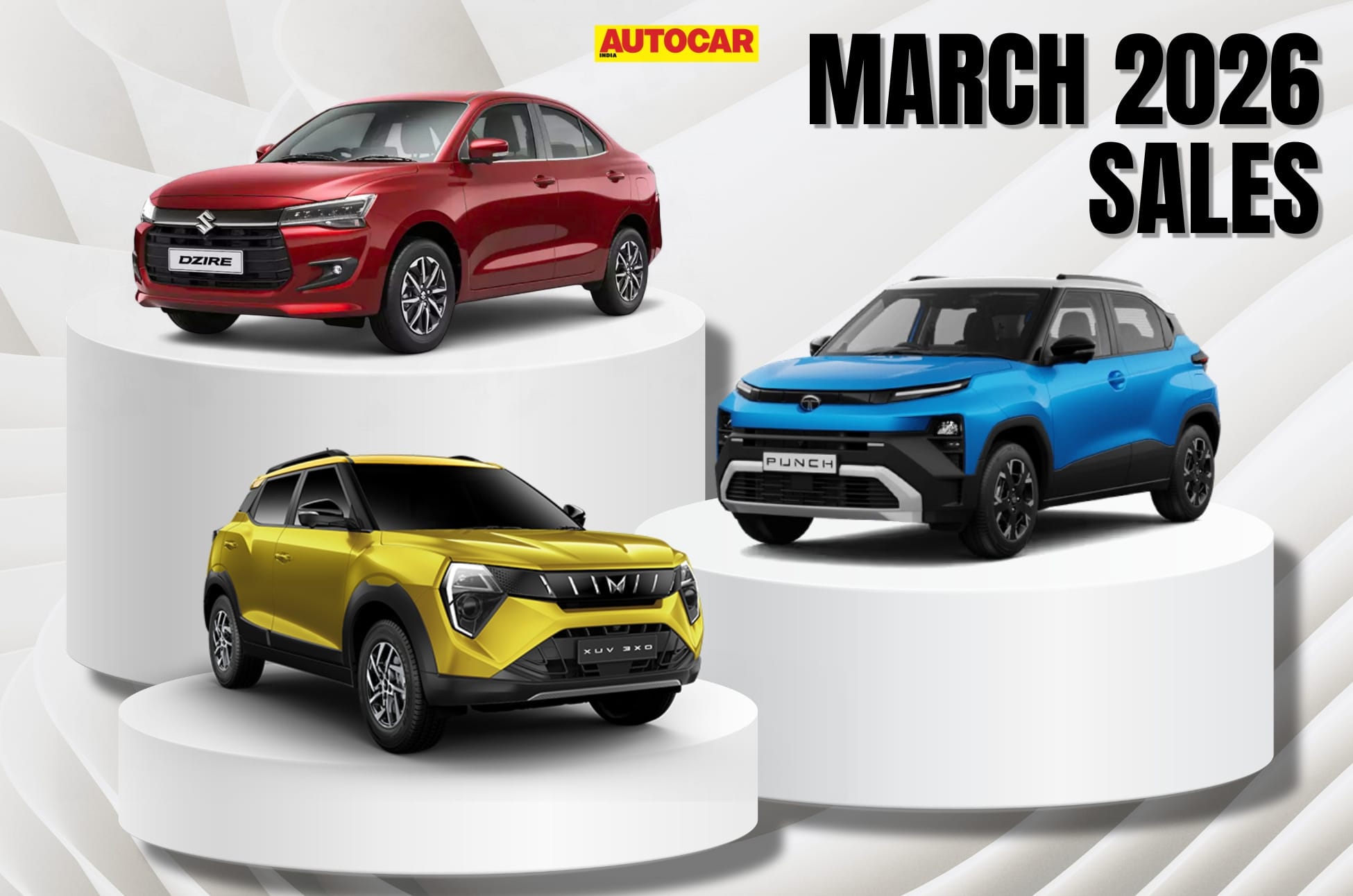
The March 2026 Sales Spectacle: A Market in Full Throttle
Carmaker
March 2026 Sales
YoY Change (%)
Maruti Suzuki
1,69,428 units
10.27
Tata Motors
66,971 units
29
Mahindra
60,272 units
25
Hyundai
55,064 units
6.3
Toyota
35,125 units
23.8
Kia
29,112 units
14.5
Skoda
7,906 units
6.8
Honda
7,585 units
5
JSW MG Motor
6,528 units
19
Renault
5,046 units
77
Nissan
4,408 units
151
Detailed Performance Analysis: Who's Leading and Who's Catching Up?
Maruti Suzuki: The Unyielding Apex Predator
Tata Motors: Consolidating Second Place with an SUV and EV Blitz
Mahindra: Riding the SUV Wave with Innovation
Hyundai: Steady Growth and Strategic Updates
Other Key Players: Diverse Strategies and Notable Performances
The Broader Perspective: Trends and Tensions in the Indian Auto Sector
Pros and Cons of India's Booming PV Market
The Road Ahead: Navigating the Future of Indian Mobility