
Just when enthusiasts were getting accustomed to the exhilarating roar of their inline-four engines and the innovative convenience of advanced rider aids, a familiar yet unsettling pattern has emerged from the stables of the venerable Japanese giant, Honda. In a move that has sent ripples of confusion and disappointment through the Indian premium motorcycle segment, the revered CB650R, its faired sibling the CBR650R, and the unique X-ADV crossover maxi-scooter have been abruptly withdrawn from sale. This discontinuation, coming hot on the heels of their re-launch in early 2025 with updated features, raises pertinent questions about Honda’s big bike strategy in India and leaves a significant void for prospective buyers.
The news arrives with a distinct sense of déjà vu for those tracking Honda's premium offerings. The brand had just brought these models back to the Indian market, injecting fresh life into its 650cc lineup with sophisticated additions like the Honda E-Clutch. Yet, barely a year into their renewed tenure, they vanish. This isn't an isolated incident; other recently launched big bikes, including the flagship CBR1000RR-R SP and the cruiser-styled Rebel 500, faced similar fates, exiting the market shortly after their much-anticipated introductions. This article delves deep into the implications of these frequent pull-backs, scrutinizes Honda's allocation strategy, and examines what this means for the future of premium motorcycling in India.
For discerning riders, the Honda CB650R and CBR650R represented a compelling blend of accessible inline-four performance, everyday usability, and premium Honda engineering. Positioned as a bridge between entry-level performance bikes and full-blown litre-class machines, the 650cc platform carved a niche for itself. The naked Neo Sports Café styling of the CB650R captivated urban riders and those seeking a distinctive aesthetic, while the fully faired CBR650R offered a taste of sportbike exhilaration without the back-breaking ergonomics often associated with supersports. Both models, particularly in their latest avatars, boasted the innovative Honda E-Clutch system, a technological leap designed to offer the best of both manual and automatic riding experiences.
The X-ADV, on the other hand, was an outlier – a truly unique proposition in the Indian market. Combining the practicality and comfort of a maxi-scooter with the rugged appeal and light off-road capability of an adventure bike, it aimed to cater to a very specific, adventurous demographic. Its distinct styling, comfortable seating, and dual-clutch transmission (DCT) made it an intriguing choice for urban explorers and those looking for an unconventional commuting solution with added versatility.
The official narrative surrounding these repeated discontinuations points towards a \"limited allocation\" strategy. Honda's approach for its large-capacity offerings in India appears to involve bringing in a pre-determined, finite number of units for a specific period. Once these units are sold out, bookings are halted, and the models are unceremoniously removed from the official BigWing website. This explanation, while seemingly logical from a logistical standpoint, has become a source of growing frustration for Indian motorcycle enthusiasts and prospective buyers.
From a brand's perspective, this strategy might help manage inventory, create an aura of exclusivity, and potentially test market waters without committing to large-scale imports. However, the consistent pattern of launch-then-discontinuation (as seen with the CBR1000RR-R SP, Rebel 500, and now the 650 duo and X-ADV) can inadvertently convey a sense of instability or a lack of long-term commitment to specific models in the Indian market. This creates a challenging environment for both consumers and Honda's own BigWing dealership network, who face the dilemma of building hype for models that might disappear just as demand picks up.
The negative view of this PR is quite evident. For a brand as globally prominent and respected as Honda, such intermittent availability can erode consumer trust. Imagine a buyer meticulously researching, saving, and finally deciding on a premium Honda motorcycle, only to find it suddenly unavailable. This not only leads to immediate lost sales but also fosters uncertainty about future Honda purchases, potentially driving customers towards rivals who offer more consistent product lines and assured availability. It begs the question: is India merely a test market for these premium bikes, or does Honda genuinely struggle with supply chain complexities for this segment? This sporadic presence could hinder Honda's ambition to significantly grow its premium bike market share in India, despite having a robust dealership network through BigWing.
Despite their unpredictable market presence, the discontinued models held undeniable appeal. Let’s take a moment to appreciate what these machines brought to the Indian roads:
The lingering question on everyone's mind is whether this discontinuation is permanent or, as Honda suggests, merely a temporary pause until the next \"allocation cycle.\" The brand's official stance leaves room for hope, hinting that the 650 duo and possibly the X-ADV could return, potentially later this year or in early 2027. However, without a confirmed timeline or clear communication on availability, this wait-and-see approach does little to instill confidence in the market.
For Honda to truly succeed in the competitive Indian premium motorcycle segment, a more consistent and transparent strategy might be necessary. Frequent product withdrawals, even if temporary, create a perception of unpredictability that can deter potential buyers. In a market where customer loyalty and perceived brand stability play a crucial role, Honda needs to find a way to balance its global allocation policies with the unique demands and expectations of the Indian consumer. This could involve exploring local assembly for specific models, ensuring a more robust supply chain, or at the very least, providing clearer roadmaps for product availability.
The space vacated by the CB650R and CBR650R leaves room for rivals to capitalize, especially in the growing mid-to-large capacity segment. Should Honda decide to reintroduce these models, they would face an even more competitive landscape, necessitating not just innovation in technology (like the E-Clutch) but also a re-evaluation of pricing strategies and, critically, a commitment to sustained market presence. The X-ADV's absence also creates an opportunity for other brands to introduce niche adventure-scooters, or for Honda itself to consider a more localized version to cater to Indian conditions and budgets.
The discontinuation of the Honda CB650R, CBR650R, and X-ADV marks another chapter in Honda's somewhat enigmatic approach to the Indian premium motorcycle market. While the bikes themselves were commendable examples of Honda's engineering prowess, offering a blend of performance, technology, and reliability, their sporadic availability casts a long shadow over their potential success. Enthusiasts are left pondering the feasibility of investing in a brand that frequently removes popular models from its lineup, regardless of the 'allocation' rationale.
For Honda to solidify its position and gain a stronger foothold in the fiercely competitive Indian premium segment, consistent product availability and clear communication are paramount. The \"sell out and wait\" strategy, while perhaps effective in other markets or for extremely limited editions, appears to be counterproductive in a rapidly evolving market like India, where buyers seek certainty and long-term commitment from manufacturers. Only time will tell if these beloved models will indeed make a triumphant and sustained return, or if their current exit signifies a deeper shift in Honda's strategic priorities for this crucial market. Until then, the inline-four symphony and the adventurous spirit of the X-ADV will remain a fleeting memory for many Indian riders.
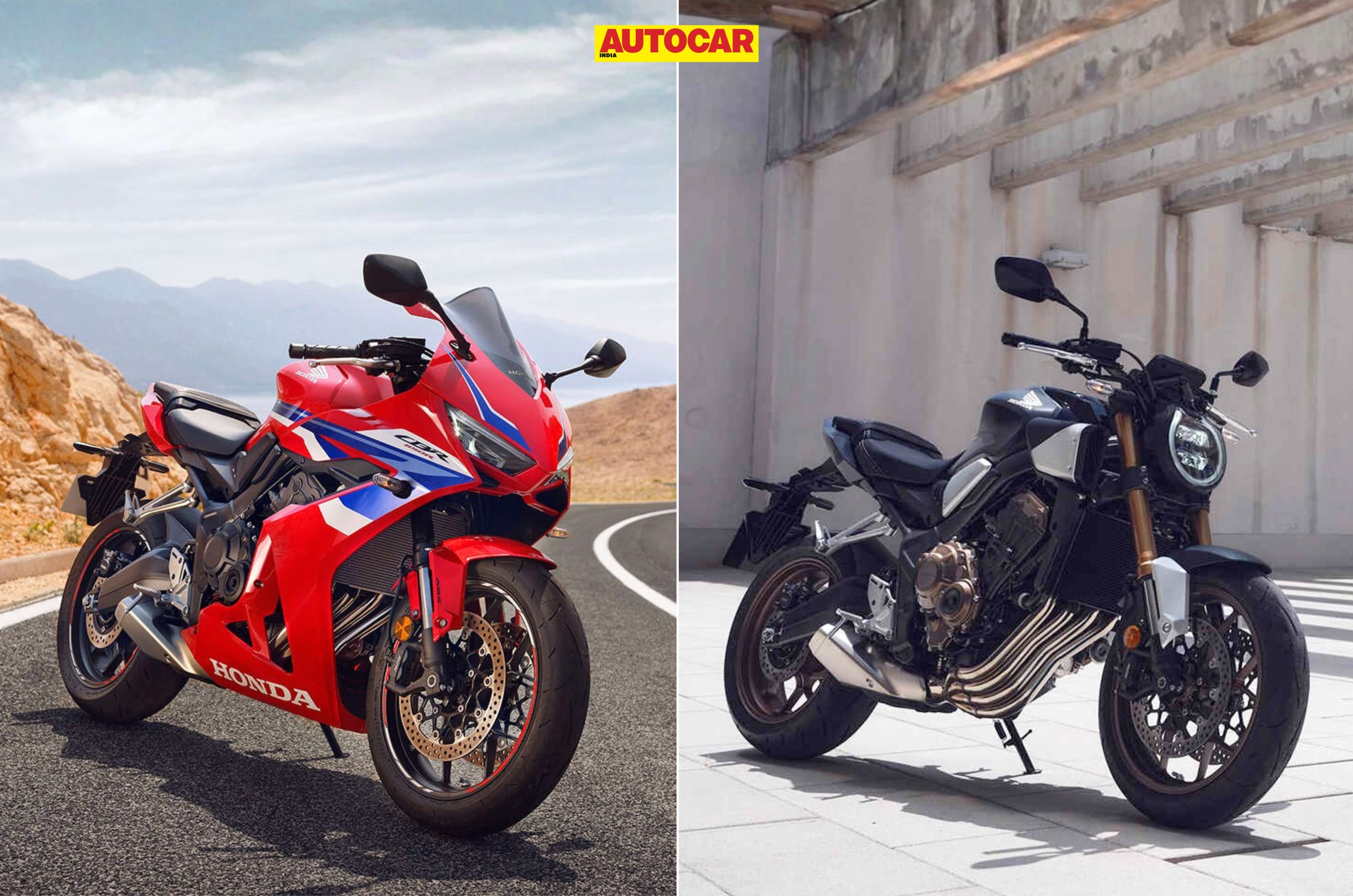
Shockwaves in the Indian Premium Motorcycle Market: Honda Abruptly Pulls the Plug on CB650R, CBR650R, and X-ADV
The Unforeseen Exit: Honda's 650cc Inline-Fours and X-ADV Depart the Indian Shores
Honda's Premium Bike Allocation Model: A Double-Edged Sword for the Indian Market
Beyond the News: Revisiting the Allure of the CB650R, CBR650R, and the Unique X-ADV
Honda CB650R & CBR650R: The Mid-Weight Inline-Four Marvels
Honda X-ADV: The Adventurous Maxi-Scooter
Pros & Cons of Honda's Discontinued Premium Offerings (While Available)
Pros
Cons
The Road Ahead: Will They Return? And What Does This Mean for Honda's Future?
Conclusion: A Crossroads for Honda in India's Premium Market