
The Indian automotive landscape is buzzing with electric ambition, and a new player, JSW Motors, is gearing up to make a significant splash. Recent spy shots of a heavily camouflaged test mule – confirmed to be the Chery iCar V23-based SUV – have sent ripples through the industry, signaling its imminent arrival on Indian roads. This isn't just another EV; it represents a pivotal moment for JSW Motors as they prepare their third major product offensive for our fiercely competitive market. But will this boxy electric SUV be the game-changer JSW needs, or will it struggle to stand out in an increasingly crowded segment dominated by established players? The presence of this camouflaged test mule on Indian roads, as depicted in the primary image, serves as undeniable proof of JSW Motors' commitment to bringing the Chery iCar V23 to our shores. This model is poised to be a cornerstone of JSW's ambitious plan, following closely on the heels of the Jetour T2-based PHEV and the Jaecoo J5-based eSUV. While JSW maintains its joint venture with MG Motor India, its independent brand launch strategy emphasizes a distinct identity, leveraging the diverse portfolio of Chery's sub-brands. From the initial spy pictures, including those found here, the electric mid-size SUV presents an undeniably boxy and upright stance. This aesthetic choice is a deliberate nod to rugged, utilitarian design, reminiscent of iconic off-roaders, rather than the sleek, aerodynamic forms often associated with modern EVs. The rear end, despite heavy camouflage, hints at a distinct protrusion on the tailgate. While many speculate this could house a spare wheel, a more intriguing possibility for an EV is a dedicated storage compartment for charging cables, offering practicality without sacrificing design integrity. Lower down, the G-Wagen-like horizontal tail-lights are a clear design statement, aiming to evoke a sense of premium robustness. The strategic move to locally assemble this Chery-based SUV at JSW Motors’ Chhatrapati Sambhajinagar plant is a critical one. Local assembly not only helps mitigate import duties, potentially enabling a more aggressive pricing strategy, but also aligns with the 'Make in India' initiative, which could resonate positively with patriotic consumers. This localized manufacturing push is essential for JSW to establish a strong foothold and compete effectively against incumbents who already benefit from extensive local production ecosystems. The iCar V23 is more than just a rebadged vehicle; it’s a product of Chery's strategic expansion into the burgeoning electric vehicle market. iCar, as a sub-brand of the Chinese automotive giant Chery, focuses on innovative, tech-forward electric vehicles designed to appeal to younger, digitally native consumers. The V23, globally, represents a blend of retro-inspired ruggedness with modern EV technology, aiming for a distinct niche that values both style and sustainability. The global-spec model, shown here for representation, clearly illustrates this design philosophy. In terms of powertrain, the international version of the iCar V23 offers two compelling battery pack options, crucial for catering to diverse consumer needs and budgets. The base variant features a 59.93kWh battery pack, paired with a rear-mounted motor delivering a respectable 136hp and 180Nm of torque. For those seeking more power and range, an 81.76kWh battery pack is available, coupled with a dual-motor setup that produces a robust 211hp and 292Nm of torque, enabling all-wheel drive (AWD) capabilities. This dual-motor, AWD option could be a significant differentiator in the Indian market, as few, if any, direct rivals in the mid-size EV SUV segment currently offer it. Dimensions are critical in the compact and mid-size SUV segment in India. The Chinese-spec iCar V23, also depicted in another illustrative image, measures approximately 4.2 meters in length with a substantial 2.7-meter long wheelbase. This places it squarely in contention with popular models, offering ample cabin space and a commanding road presence. The boxy design, while polarizing for some, is undeniably efficient for interior packaging, promising good headroom and a spacious feel. The pricing strategy for the JSW-badged Chery iCar V23 will be paramount to its success. With local assembly confirmed, JSW Motors is reportedly targeting a sub-Rs 20 lakh starting price. This aggressive positioning would place it squarely in the sweet spot for mass-market EV adoption, directly challenging established players and enticing a broader spectrum of buyers. Achieving this price point while offering competitive features and range will be a testament to JSW's cost efficiencies and supply chain management. However, the mid-size SUV segment is a battleground, and the EV variant is no less intense. The iCar V23-based SUV will face a formidable array of competitors, both existing and upcoming: The sheer volume of new launches underscores the rapid evolution of India's EV market. Consumers are becoming more discerning, demanding a blend of range, features, performance, and most importantly, reliability and after-sales support. JSW Motors, as a relatively new entity in the passenger vehicle space, will need to build trust rapidly. Its strategy of rebadging globally recognized models from Chery’s sub-brands is a shortcut to market entry, but long-term success will hinge on how well these vehicles are adapted for Indian conditions, priced competitively, and supported by a robust dealership and charging network. As with any significant new entrant, the JSW Motors' Chery iCar V23-based SUV comes with its own set of strengths and potential weaknesses that will shape its journey in the Indian market. The JSW Motors' Chery iCar V23-based SUV is undoubtedly an intriguing prospect for the Indian EV market. Its distinctive, rugged design, promising powertrain options, and the strategic advantage of local assembly position it as a serious contender, especially if the sub-Rs 20 lakh price tag materializes. The commitment to offering features like AWD could carve out a unique selling proposition, differentiating it in a sea of increasingly similar electric SUVs. However, JSW Motors faces an uphill battle. Building a new brand from the ground up in a market as diverse and demanding as India requires more than just compelling products; it demands unwavering commitment to quality, robust after-sales service, and a deep understanding of consumer psychology. The skepticism associated with new entrants and rebadged vehicles, coupled with the ferocious competition, means that JSW cannot afford any missteps. The iCar V23 will not just be judged on its specifications and price, but on the overall ownership experience it provides. Whether it emerges as a triumphant electric challenger or fades into the background of a crowded market will depend on JSW's ability to execute its ambitious vision flawlessly, transforming potential into palpable market success.JSW Motors' Chery iCar V23-Based EV SUV: India's Next Electric Challenger or Just Another Rebadge?
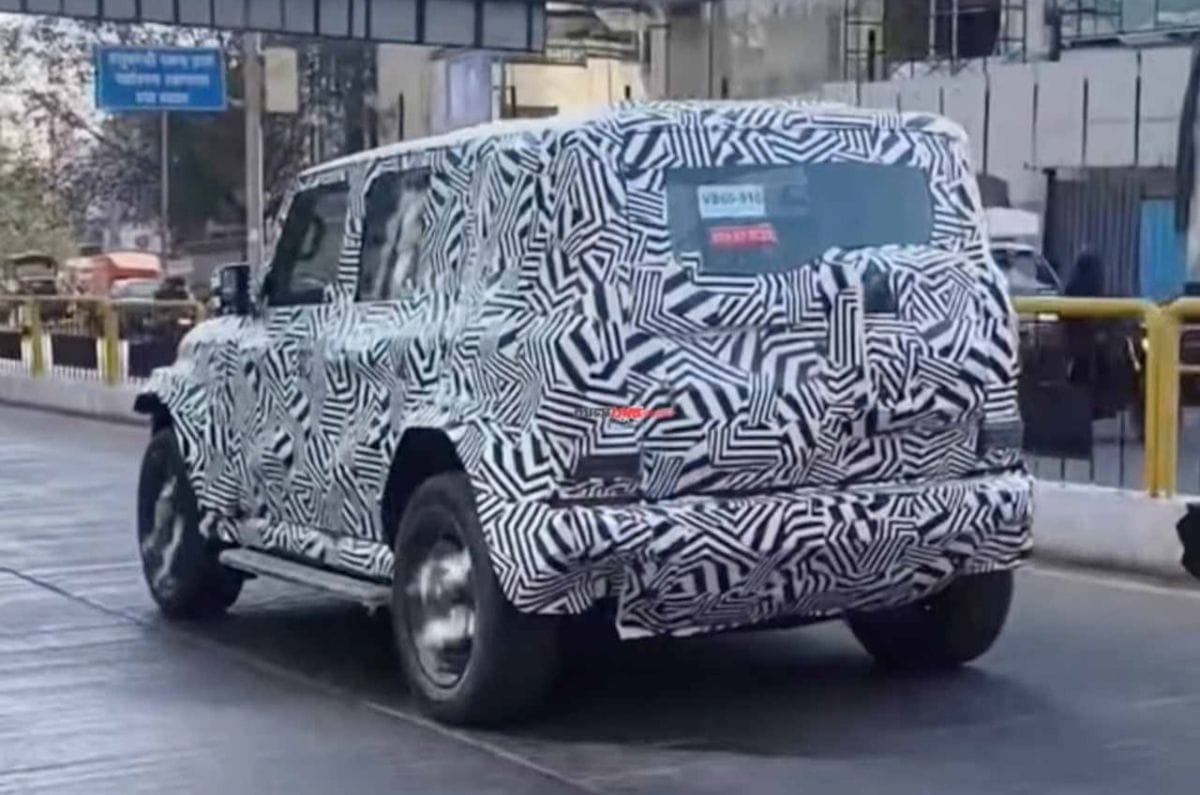
The Unveiling: A Glimpse into JSW Motors' Electrifying Future
Beneath the Camouflage: Deep Dive into the Chery iCar V23's Potential
Navigating the Electric Wilderness: JSW's iCar V23 and India's EV Landscape
Pros and Cons: Weighing JSW's iCar V23 Opportunity
Conclusion: A High-Stakes Bet in India's Electric Future


