
The Indian automotive landscape is witnessing an unprecedented surge of new players, each vying for a slice of the rapidly expanding electric vehicle pie. From established giants to daring newcomers, the race to electrify India’s roads is heating up. At the forefront of this excitement is JSW Motor, a formidable entrant poised to disrupt the market with a strategic infusion of rebadged international offerings. The latest buzz centers around their upcoming Jaecoo J5-based electric SUV, a vehicle that promises to redefine expectations in the fiercely competitive midsize EV segment. With spy shots circulating and details slowly emerging, the question isn't just \"when will it arrive?\" but \"can JSW Motor truly shake up the market?\"
The very first glimpse of JSW Motor's assertive foray into the Indian market was encapsulated in the striking spy image capturing a heavily camouflaged prototype – the subject of much speculation and analysis. This image, which you see at the top of this article , prominently featured in initial reports, showcased the distinctive profile of what we now understand to be the Jaecoo J5, unmistakably hinting at its imminent arrival and JSW’s serious intent. This is more than just another EV launch; it's a statement of intent from a conglomerate with deep pockets and global aspirations, signalling a pivotal shift in how new brands might establish themselves in one of the world's most challenging automotive markets.
JSW Motor's strategy is both ambitious and pragmatic: to enter the Indian automotive market as a standalone brand by rebadging established Chinese vehicles. This approach, while efficient in terms of product development, comes with its own set of challenges and opportunities, particularly regarding brand perception and consumer trust. Beyond the Jaecoo J5-based electric SUV, the company has also teased a Jetour T2-based plug-in hybrid SUV and a Chery iCar V23-based electric SUV, demonstrating a multi-pronged attack on various segments. This diversity of offerings suggests JSW is keen to cater to a broad spectrum of emerging Indian automotive needs.
The recent sighting of a Jaecoo J5 prototype near Pune, heavily camouflaged yet retaining its distinctive silhouette, validates the reports of its impending arrival. For those unfamiliar, Jaecoo, much like Jetour and iCar, is a sub-brand operating under the massive umbrella of Chery Automobile, one of China's largest automotive manufacturers. Chery’s strategy of developing multiple distinct sub-brands allows it to target diverse consumer segments globally, from rugged off-roaders to urban EVs, and now, through JSW, it aims to conquer the Indian market indirectly. This collaboration is a testament to the growing global influence of Chinese automotive technology and design, presenting both an opportunity for rapid market entry and a challenge in establishing a unique brand identity.
The Jaecoo J5-based EV is strategically positioned to be a formidable contender in the midsize SUV segment, directly squaring off against established and upcoming rivals such as the highly anticipated Hyundai Creta Electric, the indigenous Mahindra BE 6, and the international newcomer Vinfast VF 6. This segment is characterized by discerning buyers who demand a blend of style, performance, features, and practicality, making it a battleground where only the most compelling offerings can truly thrive. JSW Motor faces the arduous task of not only introducing a new vehicle but also building trust for a new brand in a market that has historically been wary of unknown entities, especially those with a direct lineage to Chinese manufacturers.
From what the spy shots reveal and international specifications suggest, the Jaecoo J5-based SUV embraces a design philosophy that prioritizes cleanliness and minimalism. This approach eschews overly aggressive styling in favour of sophisticated lines and contemporary aesthetics. Expect sleek LED headlamps and tail lamps, often connected by contrasting trim elements at both the front and rear, lending the vehicle a cohesive and modern appearance. The inclusion of 19-inch aero-optimized wheels not only enhances its visual appeal but also contributes to improved aerodynamic efficiency, a crucial factor for extending range in an EV. This attention to detail in design suggests a vehicle that is crafted to appeal to the modern urban buyer who values understated elegance over flamboyant embellishments.
Step inside, and the minimalist theme continues, creating a serene and uncluttered cabin environment. The focal point of the interior is undoubtedly a large 14.8-inch vertically-oriented touchscreen, which serves as the central command for infotainment, climate control, and various vehicle settings. This contemporary layout is expected to offer intuitive controls and a seamless user experience, mirroring trends seen in premium EVs globally. Higher-spec variants are set to impress with a suite of premium features, including a panoramic sunroof for an airy cabin feel, powered and ventilated front seats for enhanced comfort, and a sophisticated 540-degree camera system for unparalleled parking and manoeuvring ease. Safety is also a high priority, with 6 airbags and advanced Level 2 ADAS (Advanced Driver-Assistance Systems) providing an extra layer of protection and convenience, features that are increasingly becoming non-negotiable for Indian consumers. Of course, all Jaecoo branding will be meticulously replaced with JSW Motor’s own insignia, a crucial step in establishing the new brand's identity in India.
The heart of the Jaecoo J5 EV destined for India is its all-electric powertrain. The international-spec model, which measures just under 4.4 meters long and is a strict five-seater, is marginally larger than the Hyundai Creta, giving it a commanding presence on the road. It houses a robust 60.9kWh battery pack, which is engineered to feed a potent 210hp front-axle motor, delivering a respectable 288Nm of torque. This setup is capable of propelling the SUV from 0 to 100kph in a brisk 7.3 seconds, ensuring responsive performance for both city driving and highway cruising.
Range anxiety, a common concern for potential EV buyers, is addressed by a claimed NEDC range of 461km. While NEDC figures are often optimistic compared to real-world conditions, this still suggests a practical range for most urban commutes and occasional longer journeys. It’s imperative for JSW to be transparent about real-world testing results closer to launch to manage customer expectations effectively. Fast-charging capability is another critical aspect, with the J5 boasting support for up to 130kW. This high-speed charging means significantly reduced downtime, allowing the battery to replenish quickly at compatible charging stations, a feature that will be highly valued as India's charging infrastructure continues to develop. This blend of range, performance, and rapid charging capabilities positions the J5 as a strong contender on paper, ready to tackle the demands of the Indian electric vehicle market.
JSW Motor's long-term vision for the Jaecoo J5-based EV in India goes beyond mere importation. Initially, the model is expected to be assembled from Completely Knocked Down (CKD) kits at JSW Motor’s facility in Chhatrapati Sambhajinagar. This phased approach allows for quicker market entry while simultaneously laying the groundwork for greater self-reliance. The intent for deep localisation at a later stage is a critical component of its strategy. Local manufacturing not only helps reduce import duties, potentially leading to more competitive pricing, but also fosters job creation and aligns with the government's 'Make in India' initiative. However, deep localisation is a complex and capital-intensive process, requiring significant investment in local supply chains, manufacturing infrastructure, and skill development – a challenge that can significantly impact quality control and scalability in the initial phases.
Despite the promising specifications and features, the launch timeline for the Jaecoo J5-based EV remains somewhat ambiguous, with expectations pointing towards an arrival sometime in 2027, presumably after the Jetour-based offering. This delayed entry could prove to be a double-edged sword for JSW Motor. While it allows for more time to refine the product and establish manufacturing processes, the midsize EV SUV segment will undoubtedly be far more crowded and competitive by then. Early movers like Tata Motors and MG Motor would have further solidified their positions, and new contenders will likely have emerged. JSW will need to bring a truly compelling package to differentiate itself in this increasingly saturated market.
Perhaps the most significant hurdle for JSW Motor will be cultivating brand recognition and, more importantly, consumer trust. Introducing rebadged vehicles from relatively unknown sub-brands, even from a parent company as large as Chery, demands extensive marketing, robust after-sales service, and readily available spare parts. Indian consumers are increasingly discerning, and questions about long-term reliability, service network density, and resale value will undoubtedly surface. Addressing these concerns effectively will be paramount to JSW's success. Furthermore, the ‘negative view PR’ associated with Chinese origins for some segments of the Indian populace, however irrational, is a reality that JSW will need to navigate through strategic communication and by building an unassailable reputation for quality and service.
JSW Motor's ambitious entry into the Indian automotive market with the Jaecoo J5-based electric SUV is a clear indicator of the transformative phase the industry is undergoing. On paper, the J5 presents a compelling package: a stylish design, a feature-rich interior, and a capable electric powertrain that holds its own against current and future rivals. The strategic decision to localise production underscores a long-term commitment to the Indian market, which is a positive sign for job creation and economic growth.
However, the path to success for JSW Motor is fraught with significant challenges. Establishing a new brand, overcoming potential consumer skepticism regarding its origins, and navigating an increasingly crowded and competitive EV landscape will require more than just a good product. It will demand exceptional marketing, an impeccable service network, and a proactive approach to building trust and loyalty among Indian consumers. The delayed launch, while allowing for refinement, risks ceding crucial ground to rivals who are already aggressively expanding their EV portfolios.
As we look towards 2027, the automotive world will be watching with bated breath. Can JSW Motor leverage its industrial prowess and strategic partnerships to not just enter, but truly conquer the Indian electric vehicle market? The Jaecoo J5-based EV has the potential to be a significant player, but its ultimate success will hinge not just on its technical specifications, but on JSW Motor's ability to execute a flawless market strategy and foster genuine confidence in a market that rewards substance over mere speculation. The electric future of India is bright, and JSW Motor is certainly adding a vibrant, if not slightly controversial, hue to its unfolding canvas.JSW Motor's Electrifying Ambition: Unpacking the Jaecoo J5-Based EV Set to Challenge India's Midsize Segment
The Strategic Gambit: JSW Motor's Entry and the Jaecoo J5's Genesis
Decoding the J5: Design Philosophy, Feature Set, and Electrifying Performance
The Road Ahead: Localisation, Competition, and Consumer Trust
Pros & Cons of JSW Motor's Jaecoo J5-Based EV
Conclusion: A Cautious Optimism for JSW's Electric Future
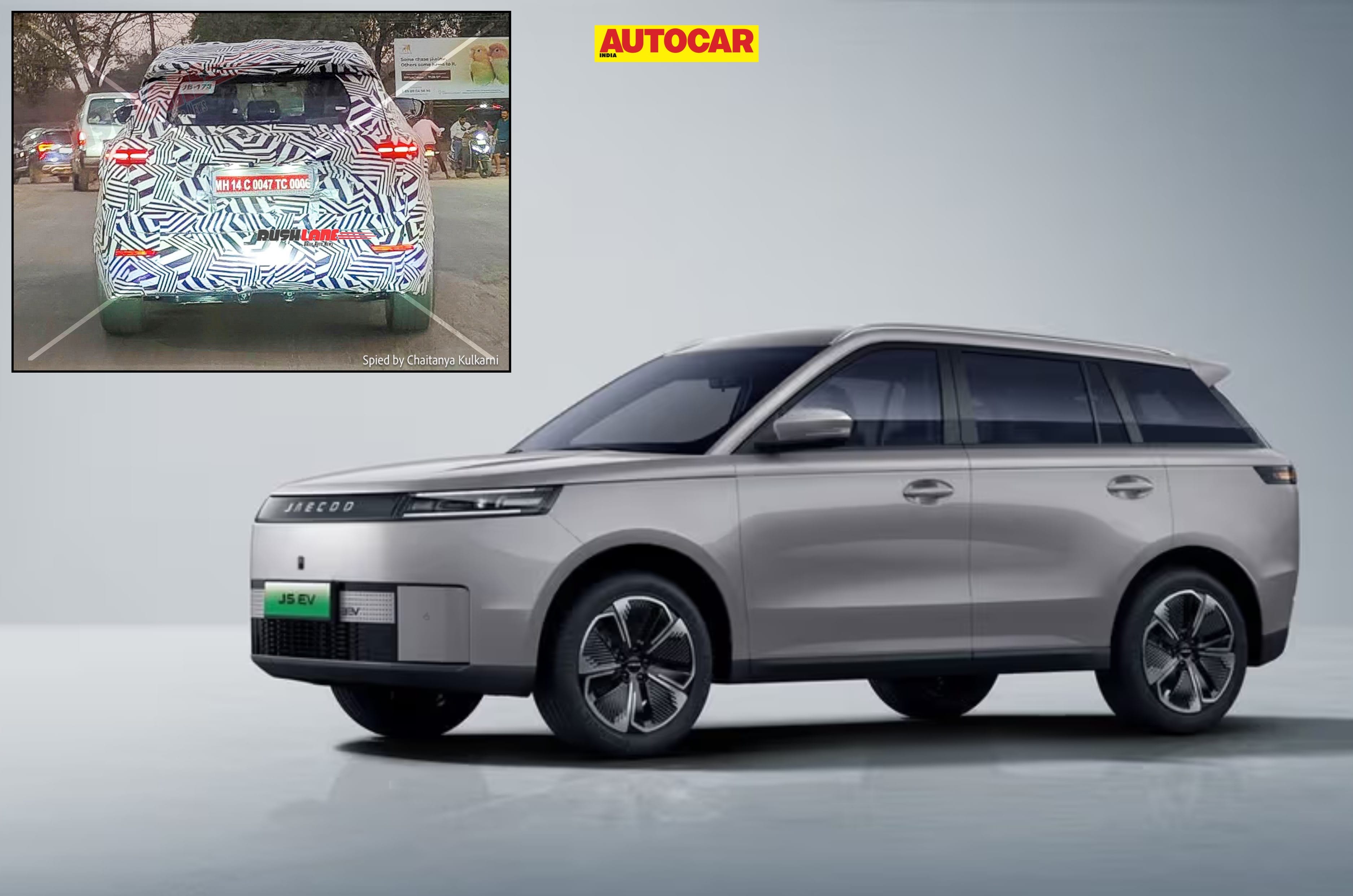 , prominently featured in initial reports, showcased the distinctive profile of what we now understand to be the