India's FY2026 Auto Report: Unpacking the Best-Selling Cars Across Every Fuel Type – A Market Divided, Yet United by Ambition
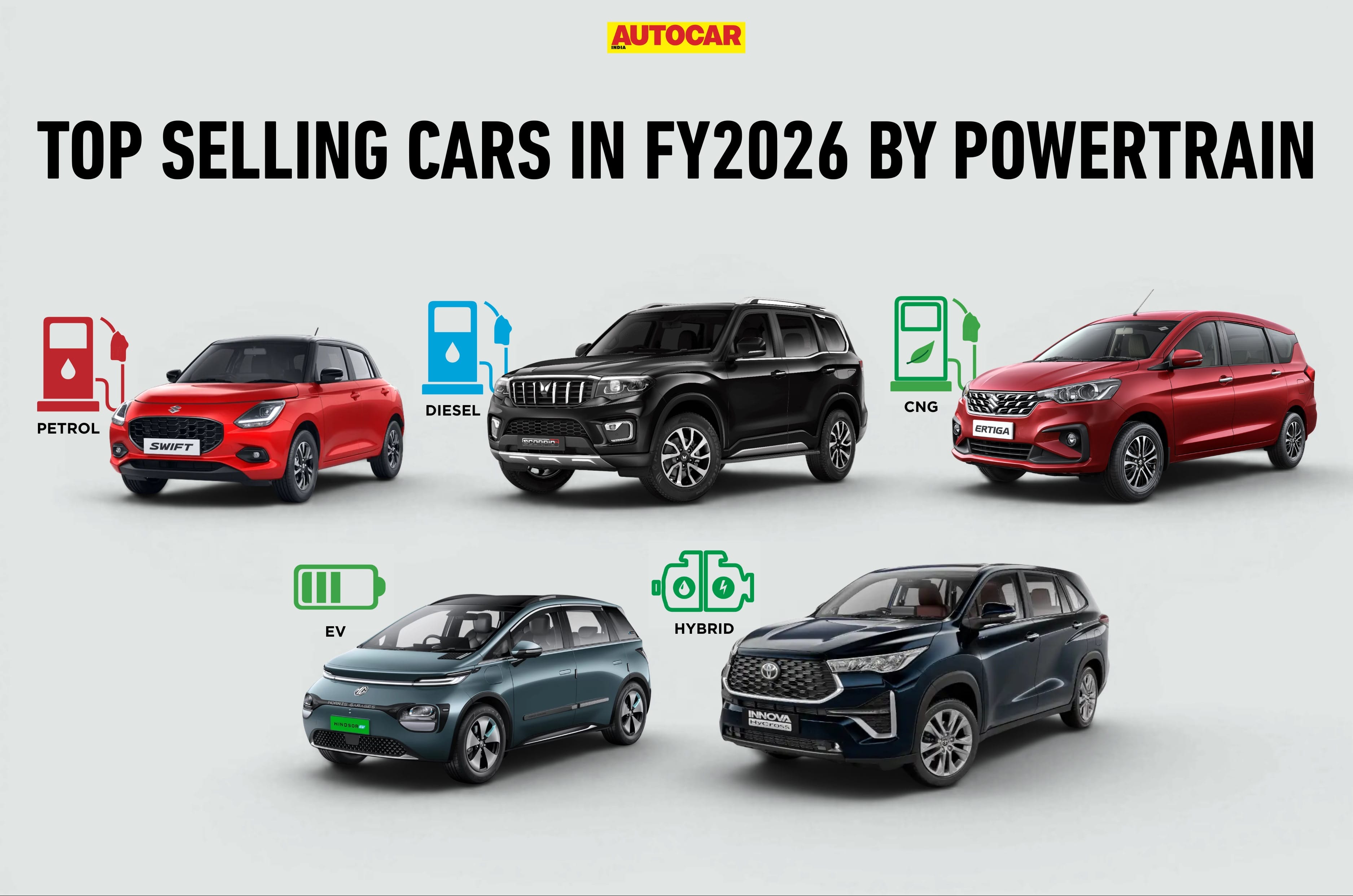
The diverse powertrain landscape of India's passenger vehicle market in FY2026, showcasing a dynamic shift in consumer preferences and technological adoption.
The Indian automotive sector, a crucible of innovation and consumer aspirations, concluded Financial Year 2026 with an impressive flourish, recording a robust 8.4 percent year-on-year growth to touch a staggering 47,05,056 passenger vehicle sales. This trajectory underscores a market in constant flux, where traditional fuel types continue to dominate while cleaner alternatives steadily carve out their niches. From the enduring appeal of petrol to the pragmatic rise of CNG, the steadfast performance of diesel, and the burgeoning, albeit nascent, segments of hybrids and electric vehicles – FY2026 paints a vivid picture of a market grappling with evolving regulations, fluctuating fuel prices, and a palpable shift in environmental consciousness.
But beneath these macro trends lie the individual sagas of vehicles that truly resonated with the Indian buyer. Which models defied expectations? Which ones cemented their legacy? And perhaps more importantly, what do their successes and perceived shortcomings tell us about the future direction of personal mobility in one of the world's most dynamic automotive landscapes? Let's dive deep into the numbers and unravel the top performers across each distinct powertrain segment, analyzing the cars that truly drove volumes and captured the hearts (and wallets) of millions.
India's Diverse Automotive Landscape: A Snapshot of FY2026
The 8.4% growth in passenger vehicle sales to over 4.7 million units in FY2026 is a testament to the underlying economic resilience and growing purchasing power of the Indian consumer. However, this growth isn't uniform. Petrol vehicles, traditionally the backbone of the market, still commanded the lion's share at 47.48 percent. This dominance is driven by their lower upfront cost, perceived simpler technology, and a widespread fueling infrastructure. Yet, their stronghold faces increasing pressure from alternatives.
Compressed Natural Gas (CNG) emerged as the second most popular choice, capturing a significant 21.98 percent. This surge highlights a growing preference for cost-efficient mobility, especially amidst volatile petrol prices. Diesel, despite facing continuous regulatory hurdles and a shrinking portfolio from many manufacturers, managed to hold an 18.08 percent share, predominantly sustained by the demand for rugged SUVs and larger utility vehicles. The \"green\" segments, hybrids and EVs, while still niche, showed promising growth, accounting for 8.21 percent and 4.25 percent respectively. This indicates a gradual but definite shift towards more sustainable powertrains, albeit at a slower pace than some global markets.
This varied landscape forces manufacturers to play a multi-faceted game, offering a diverse array of options to cater to a wide spectrum of customer needs and preferences. The success stories within each category reveal not just popular models, but also key strategies in product development, marketing, and infrastructure leveraging.
Petrol Powerhouses: The Unshakeable Reign
Petrol vehicles continue to be the default choice for a majority of Indian car buyers, valued for their smooth performance, lower maintenance costs compared to diesel, and omnipresent fueling stations. This segment, representing nearly half of all PV sales, is spearheaded by established players known for reliability and extensive service networks.
Model
FY2026 Sales
Market Share (%)
Maruti Suzuki Swift
1,54,993
6.3
Maruti Suzuki Baleno
1,49,332
6.1
Maruti Suzuki Fronx
1,17,558
4.8
1. Maruti Suzuki Swift: The Perpetual Favourite (1,54,993 units)
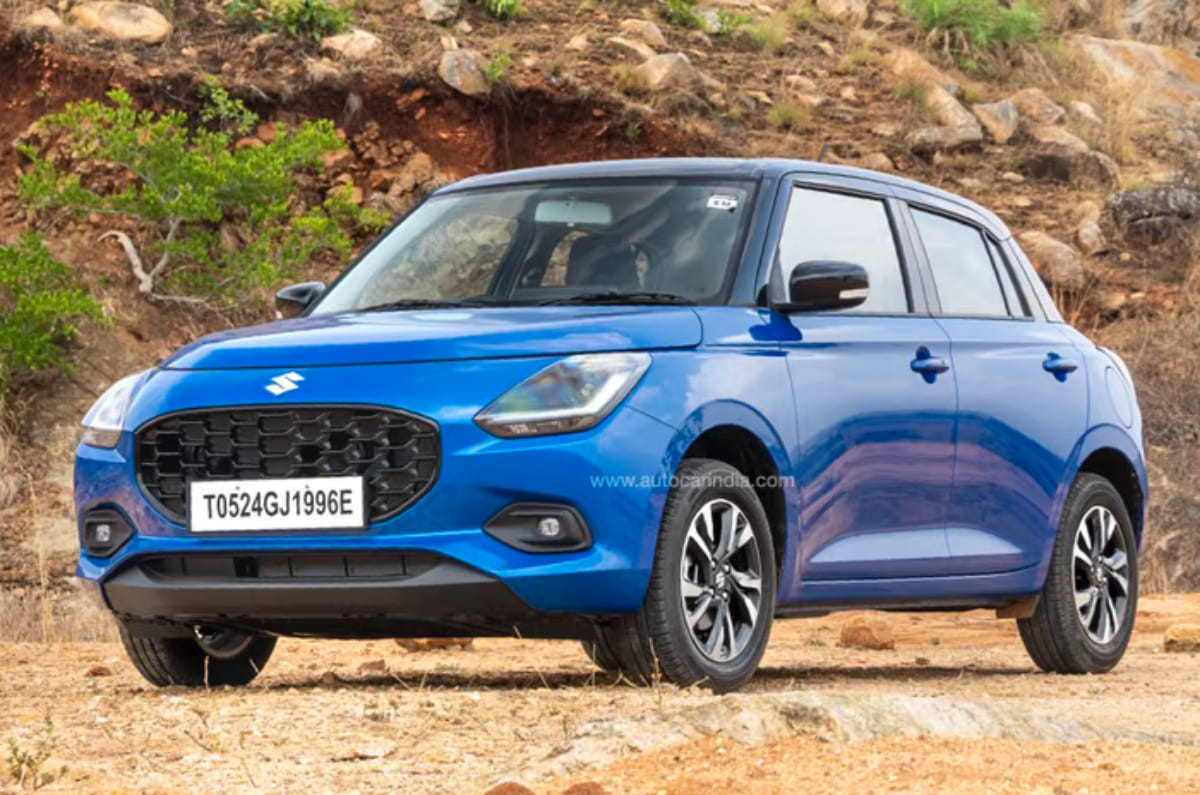
The Maruti Suzuki Swift, India's top-selling petrol car, continues its legacy of blending accessible performance with everyday practicality.
The Maruti Suzuki Swift, an icon on Indian roads, once again claims the top spot for petrol cars in FY2026. Its widespread appeal stems from Maruti Suzuki's unparalleled service network, light and nimble controls perfect for urban commutes, engaging handling, and remarkable fuel efficiency. However, a common critique revolves around its engine's lack of outright punch, which can leave enthusiasts wanting more, especially at higher speeds. Furthermore, its top-end pricing tends to overlap uncomfortably with more premium hatchback offerings, raising questions about its value proposition in a crowded market. It faces stiff competition from the likes of the Tata Tiago and Hyundai Grand i10 Nios, with prices ranging from Rs 5.79 lakh to Rs 8.65 lakh.
2. Maruti Suzuki Baleno: The Premium Performer (1,49,332 units)
The Maruti Suzuki Baleno continues its strong run, largely due to its superior ride quality and a notably spacious cabin that makes it a formidable contender in the premium hatchback segment. Its focus on passenger comfort and practicality has cemented its position. Yet, its reliance on a single naturally aspirated engine might feel restrictive to some, and the AMT gearbox, while convenient, isn't as seamless or refined as the CVT units found in some rivals. This could be a sticking point for buyers seeking a truly premium automatic driving experience. The Baleno navigates a competitive landscape against the Hyundai i20, Tata Altroz, and Toyota Glanza, with prices from Rs 5.99 lakh to Rs 9.10 lakh.
3. Maruti Suzuki Fronx: The Crossover Challenger (1,17,558 units)
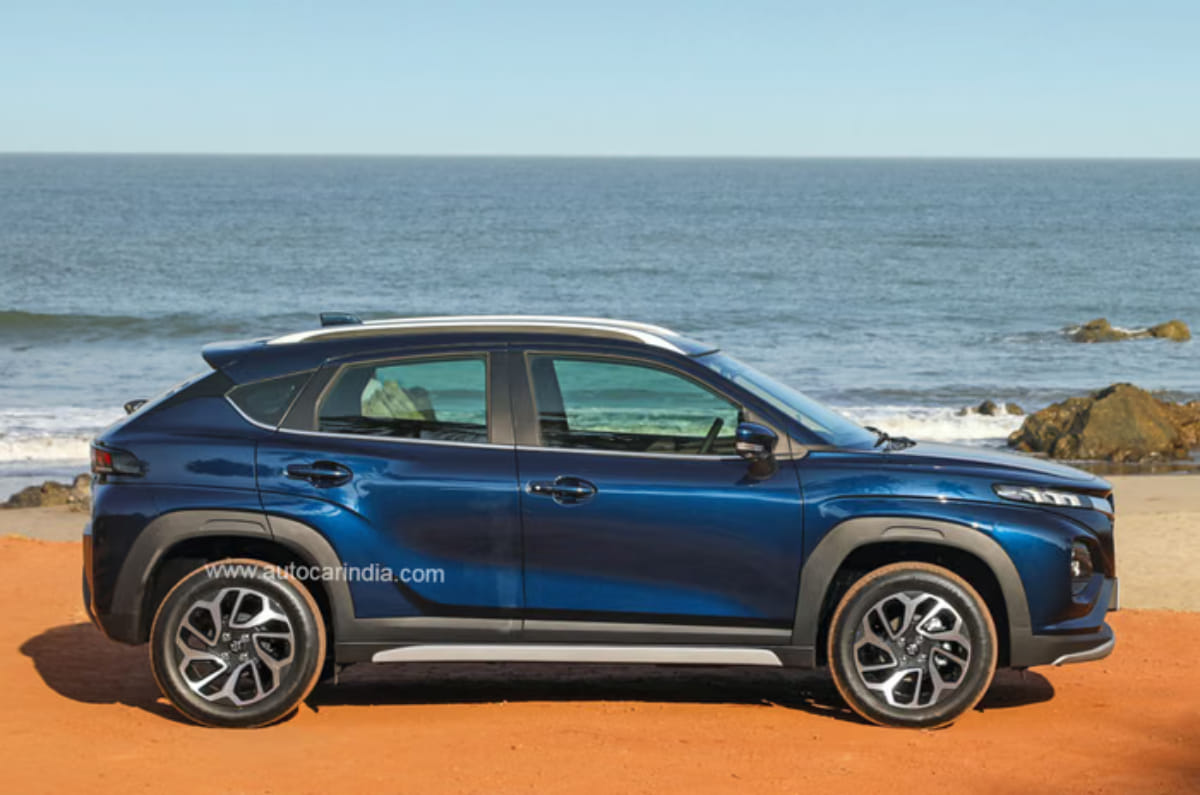
The Maruti Suzuki Fronx, with its distinct crossover styling, captured significant market attention in the petrol segment.
The Maruti Suzuki Fronx, a stylish crossover, impressively secured the third spot in petrol sales. Its SUV-inspired styling, coupled with effortless drivability and strong fuel efficiency, have been its key draws. It offers commendable space and comfort for its segment. However, the cabin, while functional, does miss out on some modern features that rivals offer, and the Boosterjet engine, despite its turbocharging, sometimes fails to deliver the expected punch, leading to a somewhat subdued performance perception. The Fronx, priced from Rs 6.85 lakh to Rs 11.84 lakh, competes with compact SUVs like the Nissan Magnite and Renault Kiger.
CNG Champions: The Cost-Efficiency Crusade
The rising cost of petrol and a growing environmental awareness have significantly boosted the appeal of CNG vehicles in India. This segment offers a compelling proposition of lower running costs and reduced emissions, making it a preferred choice for budget-conscious buyers and fleet operators alike. While the convenience of a widespread petrol network isn't fully matched, the economic advantages are undeniable.
Model
FY2026 Sales
Market Share (%)
Maruti Suzuki Ertiga
1,45,480
14.3
Maruti Suzuki Dzire
1,35,330
13.3
Maruti Suzuki Wagon R
96,381
9.5
1. Maruti Suzuki Ertiga: The MPV Maestro (1,45,480 units)
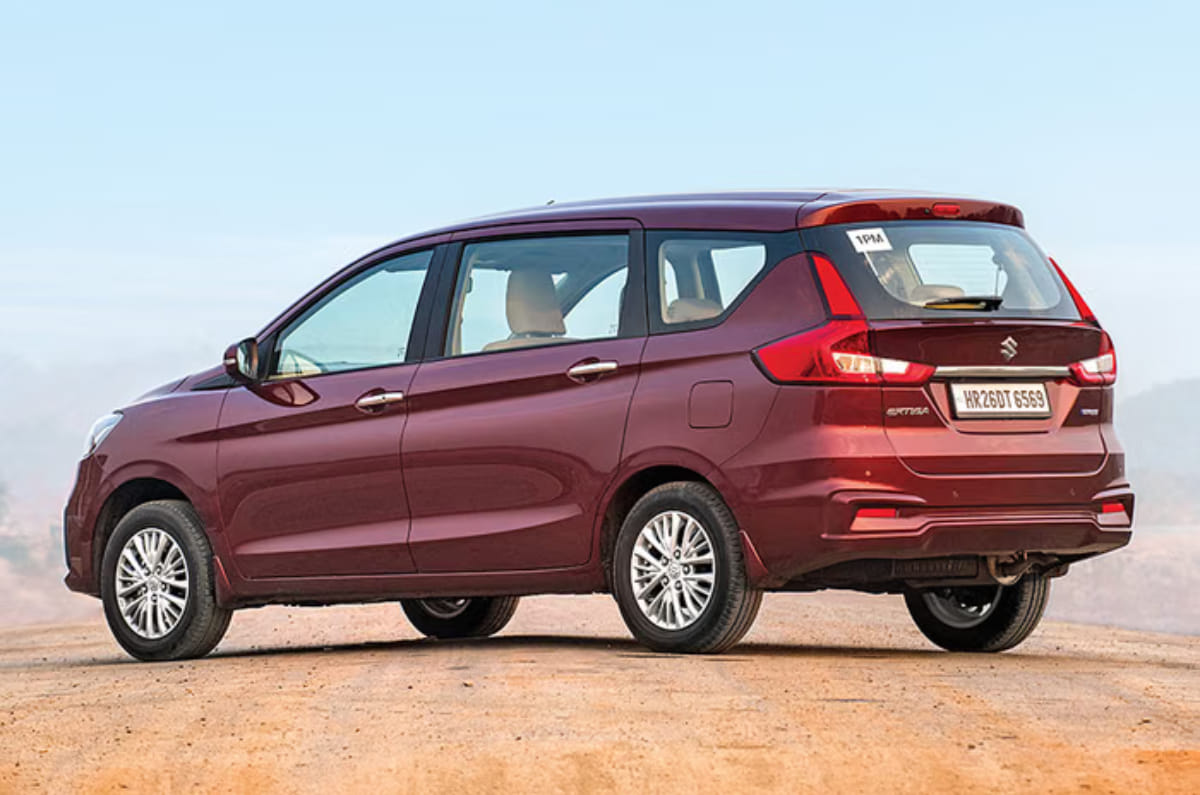
The Maruti Suzuki Ertiga's CNG variant continues to dominate, thanks to its versatile cabin and strong value proposition.
The Maruti Suzuki Ertiga comfortably leads the CNG segment, a testament to its compelling value proposition and a practical, flexible cabin that caters to both large families and commercial fleet operators. Its strength lies in providing spacious, affordable mobility. However, its interior design and feature list, while functional, tend to miss out on some of the more modern amenities and creature comforts that buyers increasingly expect in this price bracket. The Ertiga, with its CNG variants priced between Rs 10.76 lakh and Rs 11.83 lakh, competes directly with the Toyota Rumion and the more premium Kia Carens.
2. Maruti Suzuki Dzire: The Sedan Stalwart (1,35,330 units)
The Maruti Suzuki Dzire, remarkably the best-selling car overall in FY2026, continues to be a high-volume product, particularly popular in the fleet segment. Its strong low-end response, especially in CNG mode, and a well-balanced ride and handling package make it a practical daily driver. The primary drawbacks remain a relatively sparse feature list compared to rivals, and somewhat tight rear headroom which can be a concern for taller passengers. CNG variants are priced from Rs 8.50 lakh to Rs 9.04 lakh, pitting it against the Hyundai Aura, Honda Amaze, and Tata Tigor.
The Maruti Suzuki Wagon R maintains its status as a strong seller, primarily thanks to its incredibly roomy cabin for its footprint and its effortless urban drivability. However, its light build quality and somewhat limited highway manners are persistent criticisms. The 'Tall Boy' design, while aiding space, can sometimes feel a bit unsettled at higher speeds. Priced between Rs 5.89 lakh and Rs 6.42 lakh for CNG variants, it rivals the Maruti Suzuki Celerio, Citroën C3, and Tata Tiago.
Diesel's Enduring Grit: Where Torque Still Rules
Despite the long-term trend of declining diesel sales and stricter emission norms, this segment continues to hold its own, particularly in the SUV and utility vehicle categories. Diesel engines are valued for their superior torque, better fuel efficiency on long hauls, and robust performance, especially in vehicles that demand hauling capability or off-road prowess. For certain buyer demographics, particularly in rural and semi-urban areas, the diesel powertrain remains indispensable.
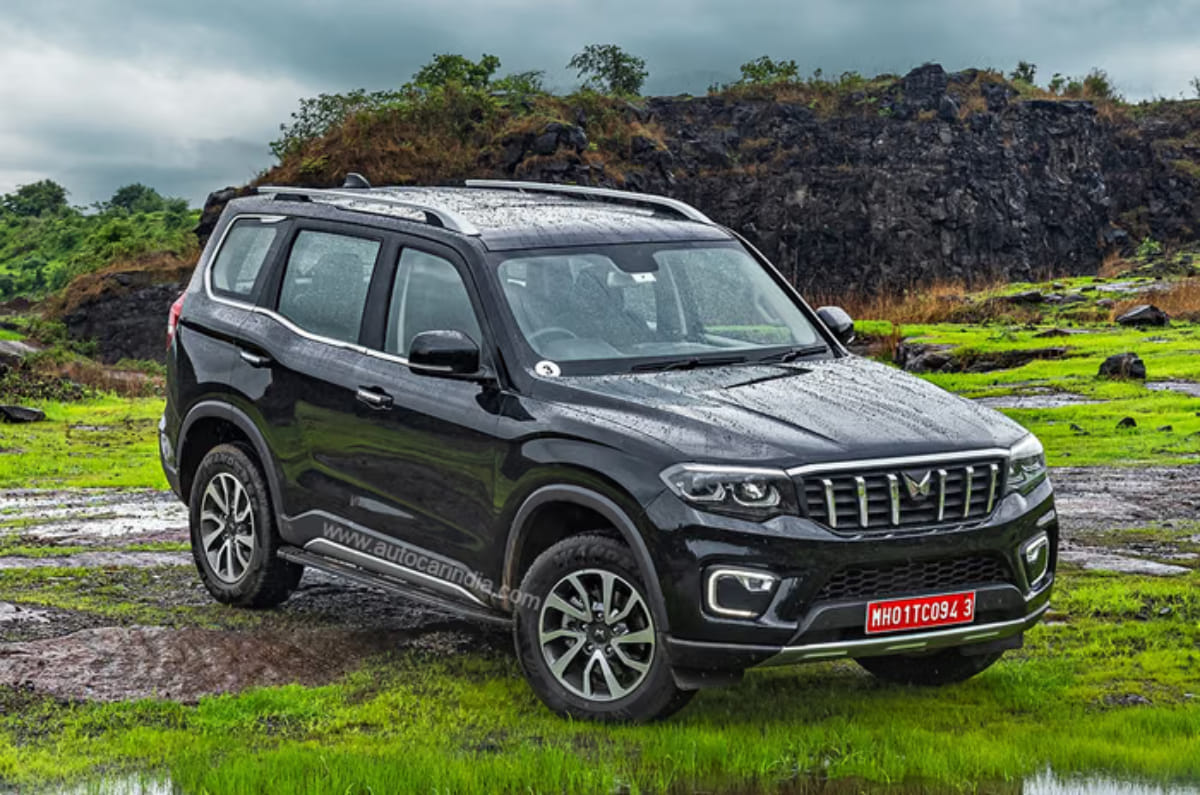
The Mahindra Scorpio, an icon of ruggedness, remains a top diesel seller, now strengthened by its modern 'N' iteration.
The Mahindra Scorpio range, encompassing both the Classic and the more modern Scorpio N, leads diesel sales, a clear indicator of its unwavering popularity in a segment that values toughness and capability. Its strong powertrain options and genuine off-road credentials are key differentiators. The Scorpio N has significantly elevated the experience with a more premium cabin and improved overall refinement. However, both versions can be critiqued for limited luggage space when all three rows are in use, and the third-row usability remains a compromise. The Scorpio Classic, while retaining its rugged appeal, feels decidedly dated in features and driving dynamics compared to contemporary SUVs. With prices ranging from Rs 13.49 lakh to Rs 24.95 lakh, it effectively creates its own niche, though similarly priced three-row SUVs include the Mahindra XUV700, Tata Safari, Hyundai Alcazar, and MG Hector.
2. Mahindra Bolero: The Unsung Workhorse (1,10,136 units)
The Mahindra Bolero continues its formidable run, especially in rural and semi-urban markets, where its rugged construction and torquey diesel engine are highly prized. It's a vehicle built for endurance and utility, making it a primary choice for commercial and high-usage applications. The main criticism remains its dated nature and a distinct lack of refinement when stacked against newer, more passenger-focused SUVs. While the Bolero Neo offers a slightly more modern take, and the Bolero Neo+ provides extended seating, the core appeal remains its unpretentious, durable character. The Bolero range is priced from Rs 8 lakh to Rs 10.49 lakh.
3. Hyundai Creta: The Urban Sophisticate (91,907 units)
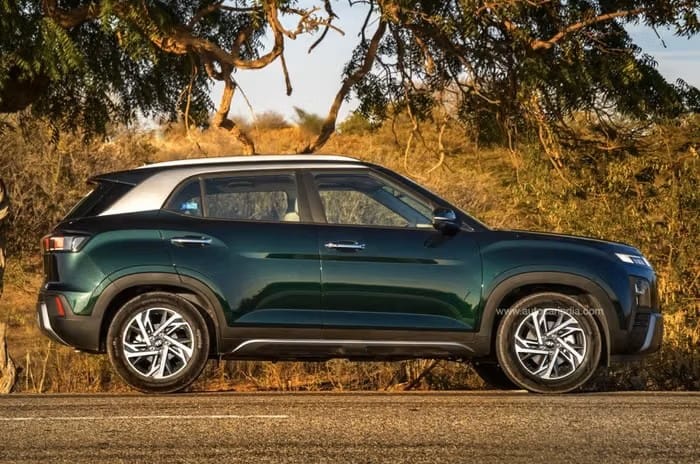
The Hyundai Creta, India's highest-selling monocoque diesel SUV, offers a blend of style, space, and features.
The Hyundai Creta holds the distinction of being the highest-selling monocoque diesel SUV, a testament to its broad appeal. It offers a well-appointed, roomy cabin and an extensive list of features that contribute to its strong demand, making it a perennial favourite. While the overall comfort and usability are undeniable, some interior plastics could feel a step below expectations for its price point, inviting mild criticism regarding premium feel. It was also the second best-selling SUV overall in FY2025 (note: original text says FY2025, assuming a typo and it means FY2026 for consistency with article). The Creta's diesel variants, priced between Rs 10.79 lakh and Rs 20.05 lakh, fiercely compete with the Kia Seltos and Tata Sierra in the midsize diesel SUV segment.
Hybrid Horizons: Bridging the Green Divide
Hybrid vehicles represent a crucial intermediate step in the transition to fully electric mobility. They offer the best of both worlds: enhanced fuel efficiency and lower emissions than conventional ICE vehicles, without the range anxiety or charging infrastructure concerns associated with EVs. This makes them an increasingly attractive option for buyers looking for greener solutions without a complete lifestyle overhaul, even if their initial cost is often higher.
Model
FY2026 Sales
Market Share (%)
Toyota Innova Hycross
62,586
50.7
Toyota Hyryder
35,745
28.9
Maruti Suzuki Grand Vitara
11,739
9.5
1. Toyota Innova HyCross: The Premium Hybrid MPV (62,586 units)
The Toyota Innova HyCross commands the hybrid segment, demonstrating the market's readiness for premium, efficient multi-purpose vehicles. Its strengths lie in a genuinely spacious cabin, potent air conditioning, and exceptionally easy drivability, further bolstered by a comprehensive Level 2 ADAS suite for enhanced safety. The main points of contention are its premium pricing, which places it out of reach for many, and interior quality that, while good, doesn't always live up to its lofty price tag. Hybrid variants are priced between Rs 26.30 lakh and Rs 31.30 lakh, with a claimed fuel efficiency of 23.24kpl. It finds its primary competitor in the Maruti Suzuki Invicto.
2. Toyota Urban Cruiser Hyryder: The Midsize Hybrid SUV (35,745 units)
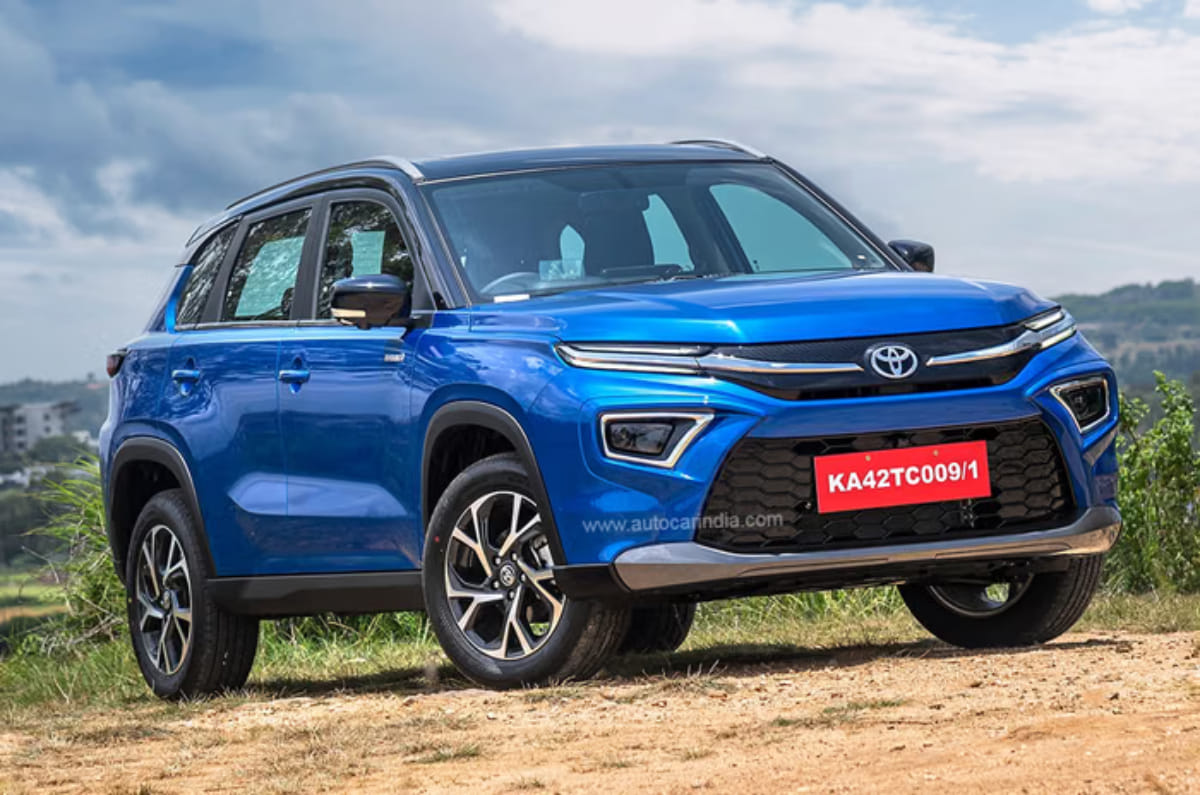
The Toyota Urban Cruiser Hyryder offers a balanced hybrid package in the competitive midsize SUV segment.
The Toyota Urban Cruiser Hyryder offers a well-calibrated ride and handling setup paired with a highly efficient hybrid powertrain, making it an appealing package in the midsize SUV space. However, its boot space is on the smaller side for the segment, and overall cabin room, while adequate, isn't class-leading, which might deter some buyers looking for maximum interior volume. Hybrid variants are priced between Rs 16.72 lakh and Rs 19.99 lakh, boasting an impressive claimed fuel efficiency of 27.97kpl. It competes fiercely with the Maruti Suzuki Grand Vitara.
3. Maruti Suzuki Grand Vitara: The Feature-Packed Twin (11,739 units)
Sharing its platform and hybrid powertrain with the Hyryder, the Maruti Suzuki Grand Vitara offers similar strengths: excellent fuel efficiency, a refined ride, and balanced handling. It also distinguishes itself with the option of an all-wheel-drive system on some variants. Nevertheless, the hybrid powertrain's performance can sometimes feel lacklustre, particularly when demanding quick acceleration, and like its Toyota counterpart, boot space remains a limitation. The Grand Vitara, priced between Rs 16.63 lakh and Rs 19.57 lakh for hybrid variants, directly rivals the Toyota Urban Cruiser Hyryder, with a shared claimed fuel efficiency of 27.97kpl.
Electric Evolution: The Silent Revolution Gains Momentum
Electric Vehicles (EVs) are the future of automotive mobility, and their presence in the Indian market, while still small, is growing rapidly. Driven by government incentives, rising fuel prices, and increasing environmental awareness, EVs are gradually overcoming initial hurdles of range anxiety and charging infrastructure. The segment is witnessing increased competition and diverse offerings, pushing manufacturers to innovate faster and offer more compelling packages.
Model
FY2026 Sales
Market Share (%)
MG Windsor
46,720
21.2
Tata Nexon EV
29,197
13.3
Mahindra XEV 9e
27,336
12.4
1. MG Windsor: The Unexpected EV Leader (46,720 units)
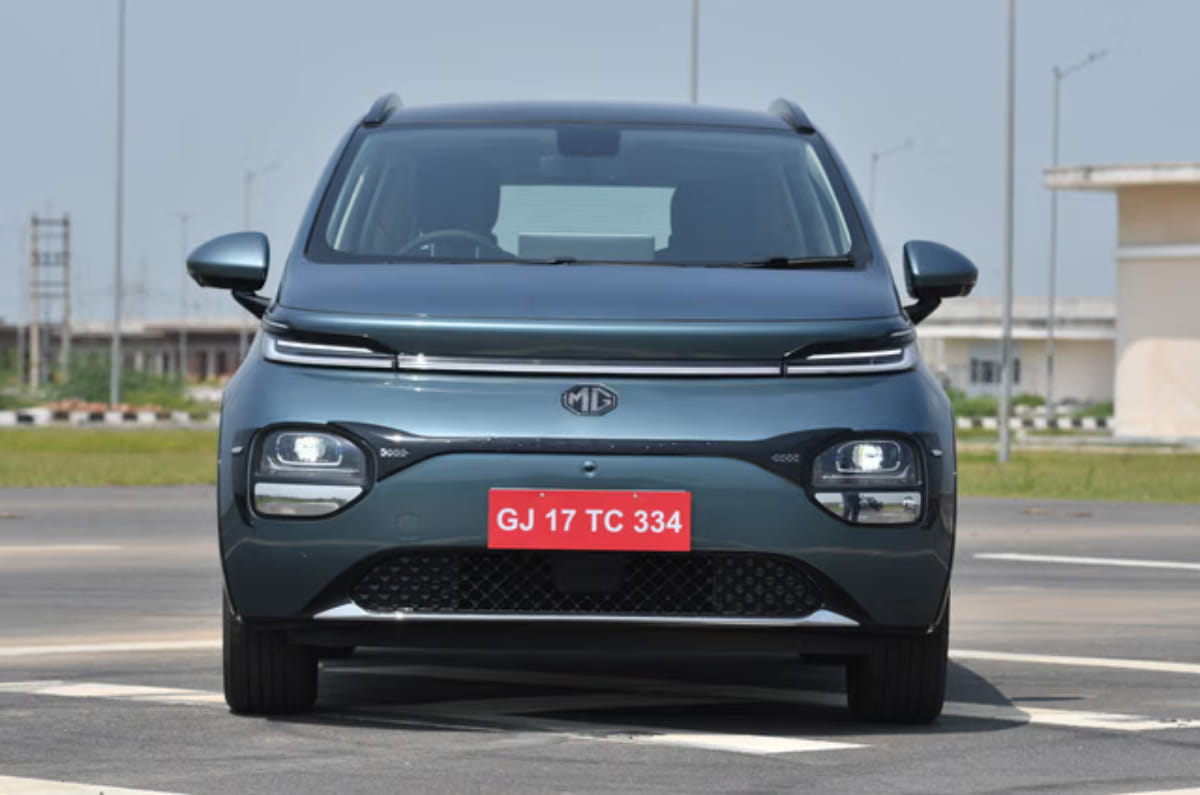
The MG Windsor EV unexpectedly took the lead in the electric vehicle segment, highlighting its unique appeal.
The MG Windsor has surprisingly shot to the top of EV sales charts, propelled by its comfortable cabin featuring lounge-style seating and a remarkably relaxed driving experience. It offers a unique value proposition for those prioritizing in-cabin comfort. However, its Achilles' heel includes noticeable road noise at higher speeds, which can detract from the serene EV experience, and ride quality over broken surfaces that could be more compliant. The Windsor, priced between Rs 14.10 lakh and Rs 18.60 lakh, offers claimed ranges of 332km (38kWh) and 449km (52.9kWh). It rivals strong contenders like the Tata Nexon EV, Tata Curvv EV, and Mahindra XUV 3XO EV.
2. Tata Nexon EV: The Established Leader (29,197 units)
The Tata Nexon EV continues to be a driving force in the Indian EV market, thanks to its strong drivability, practical range, and a feature-rich cabin that appeals to a wide audience. Its success has been foundational to India's EV push. Yet, its DC fast charging speeds are relatively modest compared to some international benchmarks, which can lead to longer charging stops. Furthermore, while the cabin is well-equipped, the fit and finish in certain areas could see improvements to match the overall package. Priced between Rs 12.49 lakh and Rs 17.49 lakh, it offers a claimed range of up to 489km (MIDC), with real-world figures for the 45kWh version typically around 375km. It competes with the MG Windsor, MG ZS EV, Tata Curvv EV, and Mahindra XUV 3XO EV.
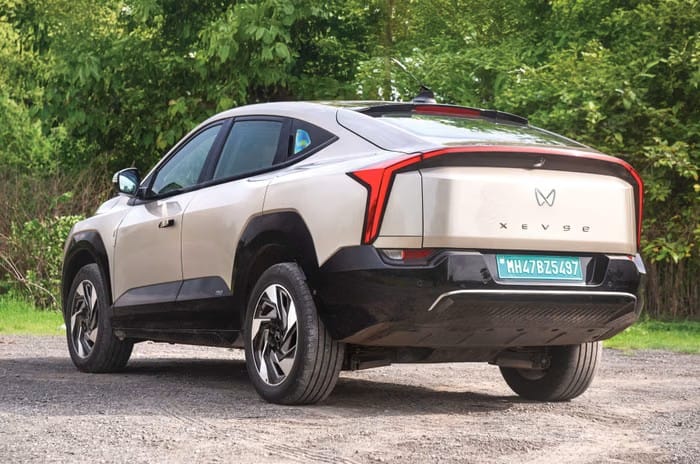
3. Mahindra XEV 9e: The Bold New Challenger (27,336 units)
The Mahindra XEV 9e, a new entrant, showcased robust performance and advanced technology, carving out a significant EV market share.
The Mahindra XEV 9e made a strong entry, distinguished by its potent performance and a wealth of technology features that appeal to the tech-savvy buyer. This bold new EV from Mahindra signals serious intent in the electric space. However, it isn't without its growing pains; ergonomic issues have been noted, and the coupe-style design, while visually striking, compromises rear visibility. The infotainment interface, while feature-rich, can also be complex and less intuitive than some rivals. Priced between Rs 21.90 lakh and Rs 30.50 lakh, with claimed ranges of 542km (59kWh) and up to 656km (79kWh, ARAI), it positions itself against the BYD Atto 3, Tata Harrier EV, and VinFast VF7.
Decoding the Trends: Pros and Cons of India's Fuel Mix
The FY2026 passenger vehicle market vividly demonstrates India's unique and complex automotive ecosystem. Understanding the benefits and drawbacks of this diverse fuel mix is crucial for both consumers navigating purchase decisions and manufacturers strategizing for the future.
Pros of India's Diverse Fuel Mix:
Unparalleled Consumer Choice: The availability of petrol, diesel, CNG, hybrid, and electric powertrains ensures that buyers across all income groups and usage patterns can find a vehicle that fits their specific needs and budget.
Gradual, Sustainable Transition: The significant share of petrol and CNG, alongside the growth of hybrids, allows for a more measured and sustainable transition towards greener mobility, avoiding the abrupt infrastructure and cost shocks that a rapid, all-EV shift might entail.
Innovation and Competition: Intense competition across all fuel types drives innovation, leading to better fuel efficiency, improved performance, and more advanced features in every segment.
Economic Accessibility: Entry-level petrol and CNG cars remain highly affordable, ensuring that personal mobility is accessible to a broader section of the population, crucial for India's developing economy.
Cons of India's Diverse Fuel Mix:
Infrastructure Disparities: While petrol pumps are ubiquitous, the charging infrastructure for EVs and the dispensing network for CNG still present significant gaps in many regions, creating adoption barriers.
Continued Environmental Concerns: The overwhelming dominance of fossil fuels (petrol and diesel combined) means India's automotive sector still contributes substantially to air pollution and carbon emissions, necessitating stricter regulations and faster adoption of cleaner alternatives.
Higher Upfront Costs for Advanced Tech: Hybrids and EVs, despite their long-term running cost benefits, carry a higher initial purchase price, making them less accessible to a large portion of the market and slowing the transition.
Technological Fragmentation: Manufacturers must invest in developing and supporting multiple powertrain technologies simultaneously, potentially fragmenting R&D efforts and increasing complexity in supply chains and after-sales service.
Conclusion: A Dynamic Future on the Horizon
FY2026 unequivocally demonstrates that India’s passenger vehicle market is a fascinating blend of tradition and transition. While petrol and CNG vehicles remain the bedrock of sales, their dominance is increasingly challenged by the quiet, yet persistent, march of hybrids and electric vehicles. The resilience of diesel in specific utility segments underscores the unique demands of the Indian landscape, where practicality often trumps nascent trends.
The successes of models like the Maruti Suzuki Swift, Ertiga, and Baleno highlight the unwavering trust in established brands and their value propositions. Meanwhile, the strong performance of the Mahindra Scorpio and Bolero speaks volumes about the enduring appeal of rugged capability. The emergence of the Toyota Innova HyCross and the surprising lead of the MG Windsor EV signal a discernible shift in consumer confidence towards advanced and sustainable powertrains. The growing competition from players like Tata Motors and Mahindra in the EV space further promises an exciting, innovation-driven future.
Looking ahead, we anticipate a continued, albeit gradual, evolution. Petrol and CNG will likely maintain significant shares, but hybrids will increasingly become mainstream, offering a compelling blend of efficiency and practicality. The EV segment, while facing initial cost and infrastructure hurdles, is poised for exponential growth as technology advances and charging networks expand. The Indian automotive market is not merely growing; it is dynamically redefining itself, offering a diverse palette of choices that truly empowers the consumer and sets the stage for a compelling ride into the future.