
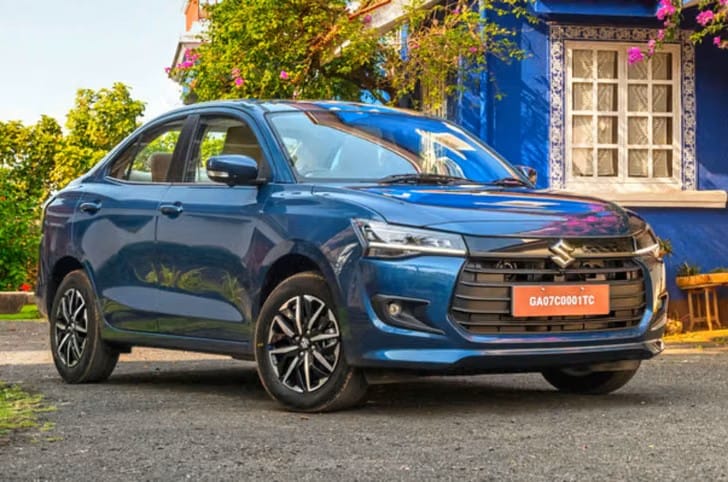
As the wheels of fortune spun in April 2026, India's dynamic passenger vehicle market once again demonstrated its robust growth, painting a vivid picture of consumer preferences and manufacturer prowess. The automotive sector, a crucial barometer of the nation's economic health, continued its upward trajectory, showcasing resilience and innovation in equal measure. While familiar giants continued to cast long shadows over the sales charts, the subtle shifts beneath the surface hint at an evolving automotive landscape, driven by technology, changing demographics, and a heightened focus on safety and sustainability. This comprehensive analysis delves into the top 10 bestselling cars of April 2026, dissecting the strategies of the leading manufacturers and unraveling the consumer trends that define India's vibrant automobile industry. The figures for April 2026 underscored a market that, despite global economic volatilities, remained strong and promising. The traditional bastions of the Indian automotive scene – Maruti Suzuki, Tata Motors, Hyundai, and Mahindra – solidified their positions, collectively dominating the highly coveted top 10 list. Their consistent performance is a testament to their deep understanding of the Indian consumer, their extensive dealer networks, and their relentless pursuit of product innovation and value. Yet, beneath the surface of consistent success, a narrative of fierce competition, technological evolution, and shifting market segment priorities continues to unfold, challenging manufacturers to constantly adapt and innovate. The Maruti Suzuki Dzire, a perennial bestseller, exemplifies the brand's continued dominance in the sedan segment, reflecting its strong appeal to value-conscious Indian buyers. In April 2026, Maruti Suzuki, India's largest automaker, once again asserted its undisputed leadership, securing a staggering six positions within the top 10 bestselling passenger vehicles. This remarkable feat is not merely a statistical anomaly but a reflection of a meticulously crafted strategy that prioritizes accessibility, affordability, and an unparalleled service network. Maruti Suzuki’s deep-rooted understanding of the Indian consumer’s psyche, coupled with its commitment to fuel efficiency and low maintenance costs, continues to be its winning formula. Among its stellar lineup, models like the evergreen WagonR, the stylish Swift, the premium Baleno hatchback, and the ever-popular Ertiga MPV consistently find favor among a diverse range of buyers. The compact sedan segment, despite the rising tide of SUVs, continued to see strong performance from models like the Maruti Suzuki Dzire. As showcased by the accompanying image, the Dzire remains a symbol of Maruti's ability to offer practical, reliable, and value-for-money vehicles. Its consistent presence in the top ranks demonstrates the enduring demand for spacious, feature-rich sedans in urban and semi-urban markets. Maruti Suzuki’s dominance is also underpinned by its vast sales and service network, which penetrates even the remotest corners of the country, building unparalleled customer trust and loyalty. Their proactive approach to incorporating customer feedback, offering diverse powertrain options including CNG and mild-hybrid technologies, and maintaining competitive pricing strategies ensures their enduring appeal in a fiercely contested market. While Maruti Suzuki held the lion's share, the contributions from Tata Motors, Hyundai, and Mahindra were equally significant, showcasing their strategic prowess and ability to carve out substantial market segments. These players have not only maintained their positions but have also actively reshaped consumer expectations through innovative products and market-specific strategies. Tata Motors, with two entries in the top 10, has undeniably emerged as a formidable challenger. Their success is largely attributable to a renewed focus on design aesthetics, robust build quality, and a pioneering spirit in the electric vehicle (EV) segment. Models like the Tata Nexon, a compact SUV, and the Tata Punch micro-SUV have consistently resonated with Indian buyers who prioritize safety, distinct styling, and a commanding road presence. The Nexon, in particular, has seen sustained success not just in its ICE avatar but also as the leading EV in India, setting benchmarks for electric mobility and driving the nation's transition to greener transportation. Tata's aggressive push into EVs, backed by a robust charging infrastructure development and attractive financing options, positions it uniquely for future growth. Their commitment to passenger safety, with multiple models achieving high Global NCAP ratings, has also significantly influenced consumer perception and buying decisions. Hyundai, with one strong contender in the top 10, continues to be a premium player in the Indian market, renowned for its fluidic design language, feature-packed interiors, and refined powertrain options. While specific models aren't named, it's highly probable that a popular SUV like the Hyundai Creta or a premium hatchback like the i20 continued to charm buyers. Hyundai’s strategy revolves around offering aspirational products that come loaded with technology, comfort, and safety features, often setting new benchmarks in their respective segments. Their focus on customer experience and consistent product refreshes keeps their models competitive and desirable. Hyundai's strong brand image and focus on global quality standards ensure it remains a top choice for customers looking for a premium experience without venturing into luxury segments. Their proactive adaptation to market trends, including the introduction of connected car technologies and advanced driver-assistance systems (ADAS), has also contributed significantly to their sustained success. Mahindra, with one entry, underscored its formidable presence in the utility vehicle segment. Known for its rugged, capable SUVs that cater to both urban lifestyles and off-road enthusiasts, Mahindra's offerings like the Scorpio-N or the XUV700 have garnered immense popularity. These vehicles embody strength, performance, and a distinctive Indian identity, appealing to buyers who seek powerful engines, robust build quality, and a commanding presence on the road. Mahindra's focus on innovative technology, especially in its newer models, combined with its heritage of manufacturing tough vehicles, continues to strike a chord with a specific, yet growing, segment of the Indian market. Mahindra's strong focus on the SUV segment aligns perfectly with the evolving preference of Indian consumers, who increasingly favor vehicles with higher ground clearance, better road presence, and versatile capabilities. Their continued investment in R&D and product development ensures their SUVs remain competitive and relevant in a dynamic market. The April 2026 sales figures vividly illustrate several key trends shaping the Indian passenger vehicle market. The SUV segment's unyielding momentum continues to redefine market shares, pulling consumers away from traditional hatchbacks and sedans. However, the strong performance of Maruti Suzuki’s sedans and hatchbacks indicates that these segments are far from obsolete, especially for value-conscious buyers and those seeking compact, city-friendly options. Furthermore, the accelerating adoption of electric vehicles, primarily driven by Tata Motors and other niche players, signals a significant paradigm shift. Government incentives, increasing awareness about environmental sustainability, and improving charging infrastructure are collectively fostering a conducive environment for EVs. As technology advances and battery costs decrease, the share of EVs in the overall sales mix is expected to grow exponentially. The robust health of the Indian automotive sector in April 2026, while promising, comes with its own set of advantages and challenges: The Indian automotive market is a dynamic ecosystem, constantly evolving in response to consumer demands, technological breakthroughs, and regulatory frameworks. The April 2026 sales figures are more than just numbers; they are a narrative of perseverance, innovation, and strategic foresight from the leading automotive players. Maruti Suzuki’s unwavering dominance, coupled with the impressive strides made by Tata, Hyundai, and Mahindra, paints a picture of a robust and competitive market. Looking ahead, the industry is poised for further transformation. The emphasis will increasingly shift towards sustainable mobility solutions, advanced safety features becoming standard, and vehicles transforming into connected, intelligent platforms. Manufacturers that can anticipate these shifts, invest in cutting-edge research and development, and adapt their product portfolios to meet these evolving demands will be the ones that continue to lead the charge. The Indian consumer, ever discerning and value-seeking, will remain at the heart of this evolution, ensuring that the road ahead for India's automotive sector is paved with exciting innovations and enduring success.India's Automotive Pulse: Decoding the Top 10 Bestselling Cars in April 2026 – Maruti Suzuki's Enduring Reign and the Shifting Tides
Maruti Suzuki's Unyielding Grip: A Deep Dive into the Top Performers
The Challengers and Disruptors: Tata, Hyundai, and Mahindra's Strategic Advances
Tata Motors: Safety, Design, and Electric Vision
Hyundai: Premium Appeal and Feature-Rich Offerings
Mahindra: Rugged SUVs for the Adventure Seeker
Market Dynamics and Future Projections: An Evolving Landscape
Pros and Cons of India's Current Automotive Market
Pros:
Cons:
The Road Ahead: Innovation and Adaptation