
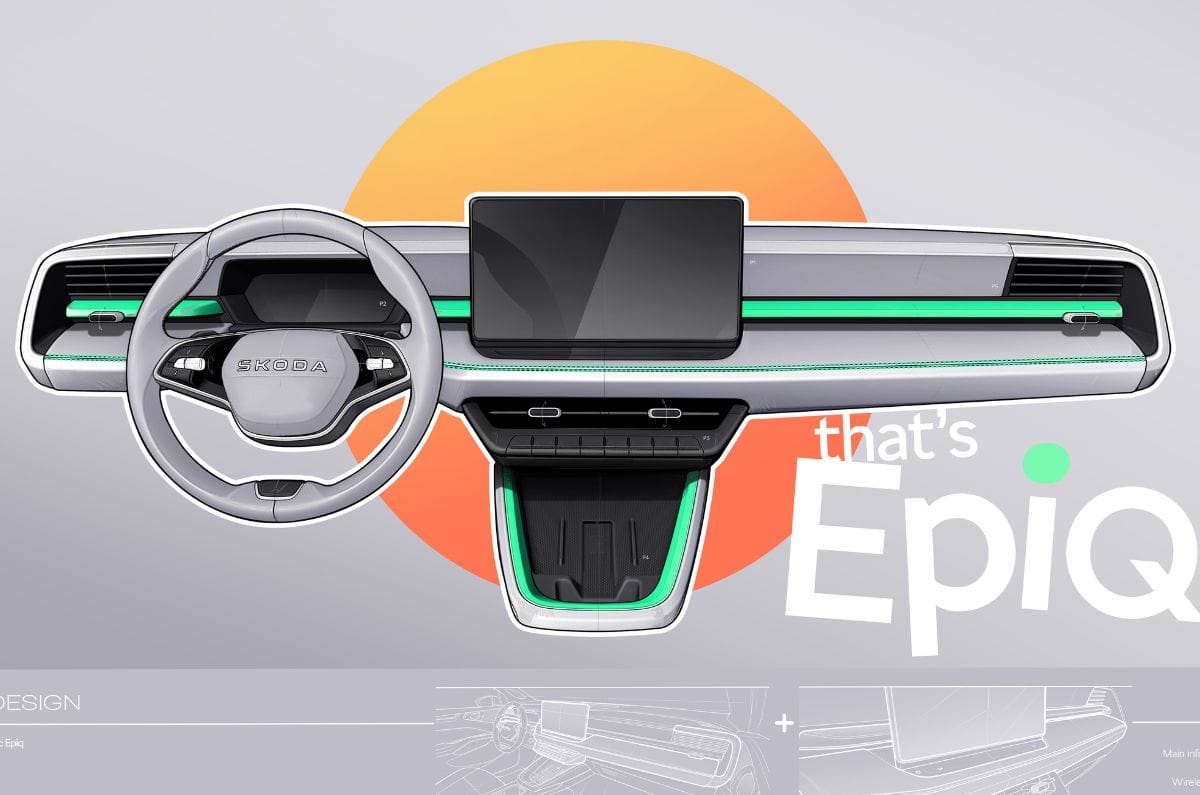
The automotive world is buzzing with anticipation as Skoda, the venerable Czech marque, prepares to pull back the curtain on its latest electric marvel: the Epiq EV. Slated for an international debut on May 19, 2026, this compact electric SUV isn't just another addition to the burgeoning EV landscape; it's positioned as Skoda’s smallest and most accessible electric vehicle yet, promising to democratize sustainable mobility. With design sketches offering tantalizing glimpses and a shared platform with the upcoming Volkswagen ID. Polo, the Epiq is poised to redefine expectations for entry-level EVs. But will it live up to the hype, especially with a competitive price point and a market hungry for practical electric solutions? Let's delve into what makes the Epiq potentially epic, and where its journey might face some bumps. The striking front quarter view of the Skoda Epiq EV, showcasing its 'Modern Solid' design language. The Skoda Epiq is more than just a new model; it heralds a significant milestone for the brand as the first production EV to fully embody Skoda’s 'Modern Solid' design language. This philosophy, initially showcased in concept form in 2024 and refined into a near-production avatar at the 2025 Munich motor show, aims to blend robustness, functionality, and sustainability with a distinctly modern aesthetic. Observing the provided exterior design sketches, one can immediately appreciate the clean lines and purposeful stance that characterize this new direction. At the forefront, the Epiq features a distinctive ‘Tech Deck’ face, an evolution of the traditional grille that now houses sensors and radar for advanced driver-assistance systems. Flanking this futuristic fascia are T-shaped LED Daytime Running Lights (DRLs) that elegantly double as turn indicators, creating a signature light signature. Beneath these, sleek, cube-shaped projector LED headlights are seamlessly integrated, adding to the vehicle's contemporary appeal. The front bumper is a design statement in itself, featuring eight neatly arranged slats complemented by a silver trim on the lower side, which not only adds a touch of rugged contrast but also hints at its SUV aspirations. Measuring a compact 4.1 meters in length, the Epiq promises urban maneuverability without compromising on interior space, a critical balance for the compact SUV segment. From the side, the Epiq maintains its robust character with prominent black cladding over the wheel arches and along the lower sections of the body. This protective element is not just for aesthetics; it underscores its readiness for diverse terrains and adds a visual sense of durability, a hallmark of the 'Modern Solid' approach. The outside rearview mirrors (ORVMs) are finished in a body-coloured hue, providing a seamless flow, while black roof rails suggest practicality and versatility for adventurers. The rear continues the theme of purposeful design, featuring T-shaped tail-lights that mirror the front DRLs, creating a cohesive visual identity. A roof-mounted spoiler adds a sporty touch and aerodynamic efficiency, while the rear bumper echoes the eight-slat treatment seen at the front, tying the design together beautifully. The overall impression is one of sophisticated simplicity, a functional yet attractive package that is sure to stand out in the crowded compact EV market. The integration of design elements is clearly thought out, aiming for a consistent and recognizable Skoda identity in the electric age. While exterior aesthetics capture attention, the interior is where the true user experience unfolds, and the Skoda Epiq promises a cabin that is both futuristic and highly functional. Drawing inspiration from its near-production concept showcased at the 2025 Munich motor show, the interior design sketch reveals a minimalistic approach that prioritizes clean lines and intuitive controls. This ethos is becoming increasingly common in modern EVs, aiming to reduce clutter and enhance focus on the driving experience. A minimalist and modern interior sketch of the Skoda Epiq EV, highlighting digital displays and physical controls. Central to the driver's interface is a compact digital driver’s display, providing essential information at a glance without overwhelming the dashboard. This is complemented by a prominent central touchscreen infotainment system, expected to be the hub for navigation, media, and vehicle settings. Intriguingly, below the screen, physical buttons for AC controls are retained – a welcome feature for many drivers who prefer tactile feedback over purely screen-based interactions while driving. This blend of digital and analog controls suggests a thoughtful balance between modernity and user-friendliness. The infotainment and climate control buttons bear a striking resemblance to those found in the Volkswagen ID. Polo, a clear indicator of the platform sharing benefits. Given this synergy, it’s highly probable that the Epiq will borrow the 13-inch infotainment system and a 10.24-inch digital driver’s display from its Volkswagen sibling, offering advanced connectivity and crisp graphics. The steering wheel is a familiar two-spoke unit, a design choice seen in other contemporary Skoda models like the Kodiaq and Kushaq, providing a sense of brand consistency and ergonomic familiarity. While the full feature suite is yet to be disclosed, Skoda has confirmed certain creature comforts that enhance the modern cabin experience. These include a wireless phone charger, a highly convenient feature for today’s smartphone-dependent users, and ambient lighting, which allows for personalization of the interior mood and adds a touch of premium sophistication. Practicality, a core Skoda value, is also emphasized. The manufacturer states that the Epiq can comfortably seat five passengers, making it a viable option for small families or group commutes. Furthermore, a claimed 475-litre boot space is exceptionally generous for its compact dimensions, offering ample cargo capacity that rivals vehicles from higher segments. This intelligent packaging, likely facilitated by the MEB+ platform, underscores Skoda's commitment to maximizing utility within a compact footprint, a major selling point in a segment where space is often at a premium. The heart of any electric vehicle lies in its powertrain and platform, and the Skoda Epiq leverages the robust and adaptable MEB+ platform, also known as MEB Entry, shared with the Volkswagen ID. Polo. This sharing is a strategic move by the Volkswagen Group to achieve economies of scale, reduce development costs, and accelerate the rollout of affordable EVs across its brands. While Skoda has remained tight-lipped on specific powertrain details, they have confirmed an impressive claimed range of up to 425km, a figure that positions the Epiq competitively within the compact EV segment and assuages common range anxiety concerns for daily commutes and weekend trips. The rear three-quarter view reveals the distinctive T-shaped tail-lights and roof-mounted spoiler. Given its platform kinship, it’s highly plausible that the Epiq will adopt similar battery configurations as the ID. Polo, which is expected to feature 34kWh and 54kWh battery packs. The smaller pack would likely be reserved for the entry-level variant, offering a slightly reduced range but a more accessible price point, while the larger pack would enable the maximum 425km range. The MEB+ platform itself is designed for efficient packaging, allowing for flat battery integration under the floor, which contributes to a lower center of gravity, improved driving dynamics, and maximizes interior space. This modular approach also enables flexibility in motor configurations, potentially offering both single-motor (front-wheel drive) and dual-motor (all-wheel drive) options, though the latter might be reserved for higher trims or future variants. Pricing is often the most critical factor for widespread EV adoption, especially in the compact segment. Skoda has indicated that the Epiq will be priced comparably to its combustion-powered Kamiq SUV. In the UK market, the Kamiq starts around £25,535, which translates to over Rs 32 lakh (approximately $32,000 USD) before local taxes and duties. This is a significant figure for a compact vehicle, particularly in emerging markets like India, where price sensitivity is high. While Skoda is clearly aiming for an accessible entry point within the EV landscape, the conversion rate and local tax structures could still place it in a premium bracket for many consumers. This is where the \"negative view PR\" comes into play: Can Skoda truly deliver a price point that makes the Epiq compelling enough to sway buyers from similarly priced, well-established internal combustion engine (ICE) SUVs, or even more affordable EVs in specific markets? The competitive landscape for the Epiq is fierce, particularly if it targets markets beyond Europe. In India, for instance, it would go head-to-head with upcoming electric SUVs like the Hyundai Creta Electric, Mahindra BE.05 (not BE 6 as listed, but the family of BE EVs), Maruti e Vitara, and the Tata Curvv EV. These competitors are not only aggressively priced but also come with strong local brand recognition and service networks. For the Epiq to truly succeed, Skoda will need to offer a compelling value proposition that goes beyond just range and design, focusing on charging infrastructure, after-sales support, and possibly localized offerings. Its success hinges not just on its inherent qualities, but on Skoda's ability to navigate these complex market dynamics and deliver a truly \"Epiq\" ownership experience. As with any groundbreaking vehicle, the Skoda Epiq EV presents a mix of compelling advantages and potential challenges. A balanced view is crucial for prospective buyers and industry observers alike. The international debut of the Skoda Epiq EV on May 19, 2026, marks a pivotal moment for the Czech automaker. It’s a clear statement of intent to expand its electric footprint into the highly competitive and increasingly important compact segment. The Epiq, with its 'Modern Solid' design, intelligent packaging, and promising range, has the ingredients to be a significant player. However, its true success will hinge on more than just initial appeal. Skoda's ability to price it competitively across diverse global markets, particularly where local alternatives offer compelling value, will be paramount. Furthermore, the integration of a robust charging ecosystem and comprehensive after-sales support will be crucial in convincing potential buyers to make the leap to electric. While it offers impressive specifications on paper, the real-world performance, charging speed, and overall ownership experience will ultimately determine its standing. The Epiq is undeniably a promising step for Skoda, poised to offer a compelling blend of design, practicality, and electric efficiency. But as it enters a rapidly evolving and fiercely competitive market, it will need to be truly 'Epiq' in every sense to carve out its niche and accelerate Skoda's journey into a fully electric future.Skoda Epiq EV: Unveiling a New Compact Electric Era on May 19, 2026 – A Deep Dive into Design, Tech, and Market Battle
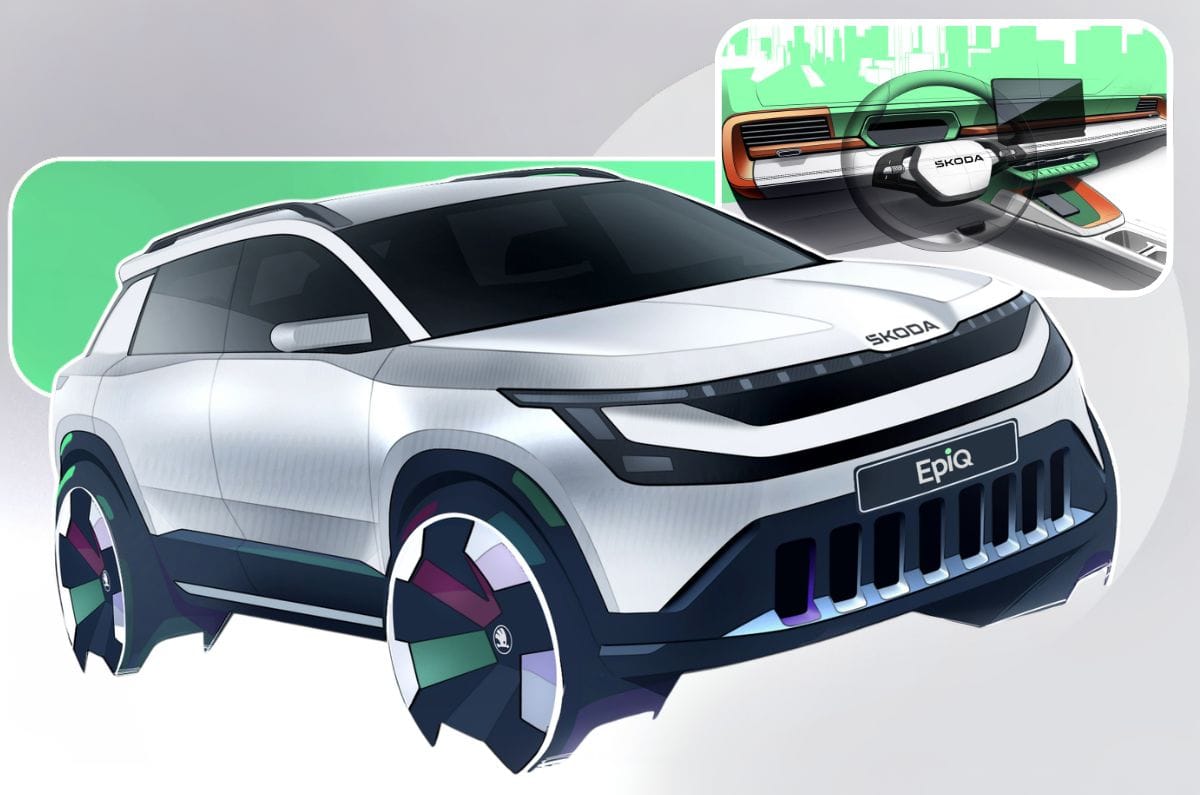
Skoda Epiq: The Dawn of a New 'Modern Solid' Era
Stepping Inside the Epiq: A Fusion of Minimalism and Practicality
Powering the Future: Range, Platform, and Market Positioning
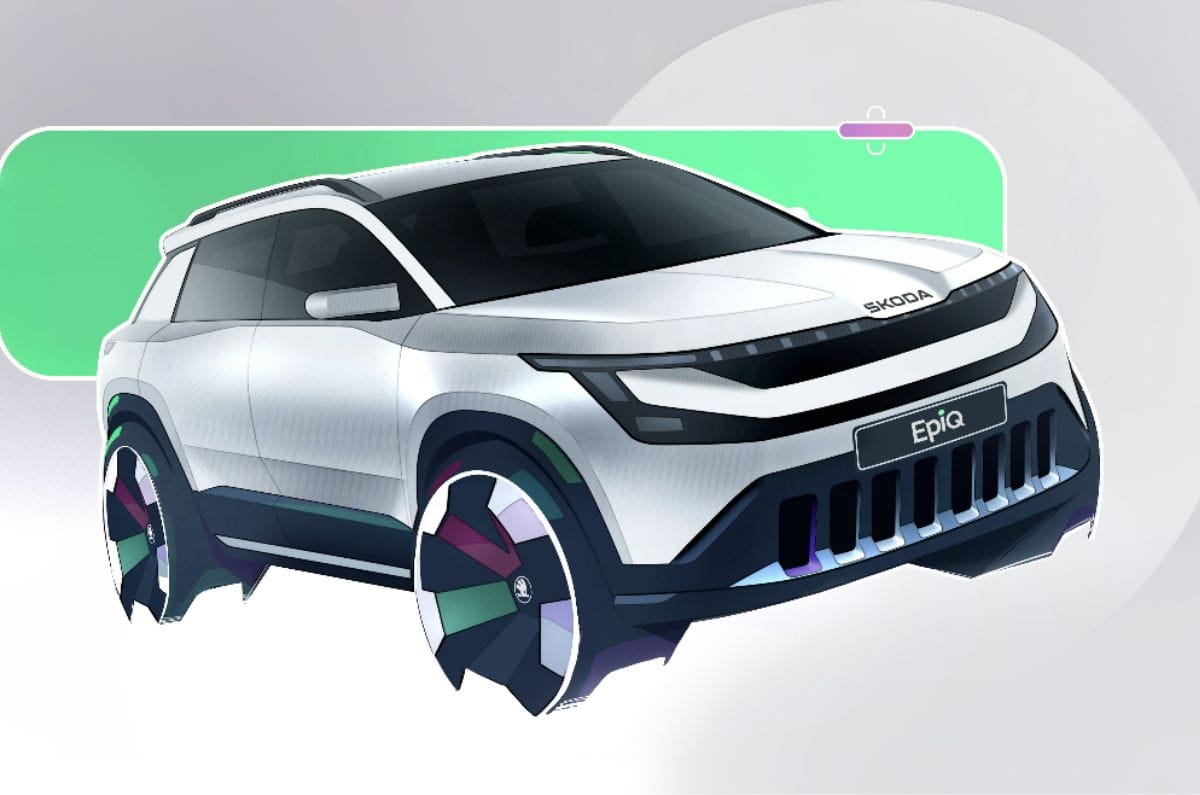
Pros and Cons: A Balanced Perspective on Skoda's Latest EV
The Road Ahead: What to Expect from the Epiq's Debut