
The automotive landscape is constantly in motion, and manufacturers frequently refine their offerings to meet evolving market demands, optimize production, or simply streamline their portfolios. In a move that has certainly caught the attention of performance hatchback aficionados, Hyundai India has recalibrated the variant structure of its sporty i20 N Line. For potential buyers eyeing the exhilarating Dual-Clutch Transmission (DCT) experience, the path has just become significantly narrower, and perhaps, pricier. This isn't merely a minor update; it's a strategic realignment that carries implications for affordability, choice, and the very essence of accessible performance. Has Hyundai made a shrewd move, or have they alienated a segment of their target audience? Let’s delve into the details. At the core of this recent development is Hyundai's decision to discontinue the DCT gearbox option for the base N6 trim of the i20 N Line. This strategic shift now renders the sophisticated DCT exclusively available on the top-tier N8 trim, effectively reducing the total variant count from four to three. While this might simplify the buying process for some, it introduces a significant price barrier for those who desired the seamless shifts of a DCT without needing all the bells and whistles of the absolute top model. Furthermore, the N8 trim, perhaps to sweeten the deal or justify the consolidated offering, now comes equipped with enhanced features such as an integrated dash cam and dongle-based wireless Apple CarPlay and Android Auto. Hyundai’s N Line sub-brand was introduced to bridge the gap between their standard models and the hardcore ‘N’ performance vehicles. It offers a taste of performance aesthetics and enhanced driving dynamics without the extreme price tag or uncompromising nature of a full-blown performance car. The i20 N Line, with its stiffer suspension, sportier exhaust note, and cosmetic enhancements, has been a popular choice for those seeking a more engaging everyday drive. However, this recent variant reshuffle profoundly impacts its accessibility, particularly for those prioritizing the convenience and efficiency of an automatic transmission. *Dual tone available at an additional Rs 14,000 Prior to its discontinuation, the N6 DCT variant was an attractive proposition, offering the convenience of the automatic gearbox at an ex-showroom price of Rs 10.23 lakh. This meant a difference of just about Rs 1.02 lakh between the N6 MT and N6 DCT. Now, the scenario is drastically different. Buyers who once considered the N6 DCT will either have to settle for the manual N6 or make a significant leap to the N8 DCT. The latter option now demands an additional Rs 1.3 lakh over the previously available N6 DCT, culminating in a hefty Rs 2.31 lakh premium over the current N6 manual. This revised pricing structure firmly positions the DCT-equipped i20 N Line as a more exclusive, and consequently, a less attainable offering. The strategic rationale behind such a move by Hyundai could be multifaceted. It might be aimed at streamlining production processes, reducing inventory complexities, or even pushing customers towards higher-margin variants. With the N8 trim now being the sole bearer of the DCT badge, it's also been adorned with a dashcam and dongle-based wireless Apple CarPlay and Android Auto – features that enhance its value proposition but also contribute to its increased price. While these additions are welcome, they may not entirely assuage the sting of reduced choice and higher entry price for the coveted DCT. Despite the variant restructuring, the heart of the i20 N Line remains unchanged, which is undoubtedly good news for enthusiasts. Powering this dynamic hatchback is a spirited 1.0-litre, 3-cylinder, turbo-petrol engine. This powertrain, shared with other successful Hyundai models like the Venue compact SUV, is a gem in its segment. It delivers a robust 120hp of power and 172Nm of torque, figures that ensure brisk acceleration and engaging performance in city traffic and on the open highway. The engine can be paired with either a precise 6-speed manual transmission or the highly acclaimed 7-speed DCT. The manual gearbox offers direct engagement and control, appealing to purists who enjoy rowing through gears. However, the DCT, with its lightning-fast shifts and intelligent logic, truly unlocks the performance potential of the turbo-petrol unit, offering both convenience in urban environments and exhilarating responsiveness during spirited driving. The N Line’s enhanced suspension setup, which is slightly stiffer than the standard i20, works in harmony with the potent engine to deliver sharper handling and improved stability, making it a joy to pilot. The N Line is not just about raw power; it's about the entire driving experience. The sportier exhaust note, a subtle but significant detail, adds to the car's character, providing an auditory cue of its performance aspirations. The quicker steering response and revised suspension geometry make the i20 N Line feel more planted and eager to change direction, distinguishing it from its more comfort-oriented sibling. This commitment to driving pleasure, even in a FWD hatchback, is what makes the N Line concept resonate with a specific set of buyers. Hyundai proudly states that the i20 N Line currently faces no direct rivals in the Indian market, a claim that holds true when looking for a hot hatchback with similar performance credentials and an N-badged pedigree. However, this lack of direct competition can be a double-edged sword. While it carves out a niche for the i20 N Line, it also potentially allows Hyundai greater liberty in pricing and variant strategy. The absence of a head-on competitor doesn't mean buyers don't have alternatives or aren't comparing the N Line against a broader spectrum of vehicles. In the premium hatchback segment, buyers might cross-shop the i20 N Line with other turbo-petrol offerings like the Maruti Suzuki Baleno RS (though discontinued), Tata Altroz i-Turbo, or even entry-level compact sedans or SUVs. The significant increase in the price difference for the DCT variant now puts the i20 N Line N8 DCT in a price bracket where buyers might start considering larger, more spacious, or even different body styles altogether. For example, some buyers might now stretch their budget for a mid-range compact SUV with similar performance, which offers more practicality or a higher seating position. This move by Hyundai could be perceived negatively by a segment of its loyal customers and potential buyers. The discontinuation of the more accessible N6 DCT variant is, in essence, removing choice from the customer. While the N8 DCT offers a more feature-rich package, not every buyer prioritizes a dashcam or wireless dongle over a more affordable entry point to the DCT experience. This strategy might alienate those who appreciated the N Line’s performance at a relatively more attainable price point. It raises questions about Hyundai’s commitment to making performance accessible, pushing the N Line further into premium territory and potentially reducing its volume appeal. Hyundai's decision to streamline the i20 N Line's DCT offering marks a significant moment for the premium hot hatchback segment in India. While the top-spec N8 trim gains valuable features like a dashcam and wireless smartphone connectivity, enhancing its appeal as a technologically advanced and premium product, the core issue lies in the restricted access to the Dual-Clutch Transmission. By making the DCT exclusive to the highest trim, Hyundai has undeniably raised the entry bar for automatic performance enthusiasts, pushing the i20 N Line further into a premium niche. This strategic move is a calculated risk. It could potentially boost the profitability of the N8 variant and simplify Hyundai’s logistics, but it also risks alienating buyers who were looking for the DCT experience without the full premium package. In a market as price-sensitive as India, a Rs 2.31 lakh premium over the manual entry-level model is a substantial jump that demands careful consideration from potential buyers. While the i20 N Line continues to offer an exhilarating driving experience and a distinctive personality, its restructured variant lineup means that acquiring the highly desirable DCT now comes with a steeper price tag and a narrower set of choices. As the automotive industry navigates complex market dynamics, it will be interesting to observe how this shift impacts the i20 N Line's sales trajectory and its standing as a formidable contender in the evolving premium hatchback landscape.Hyundai i20 N Line Shifts Gears: Decoding the DCT Dilemma and What It Means for Enthusiasts and Buyers
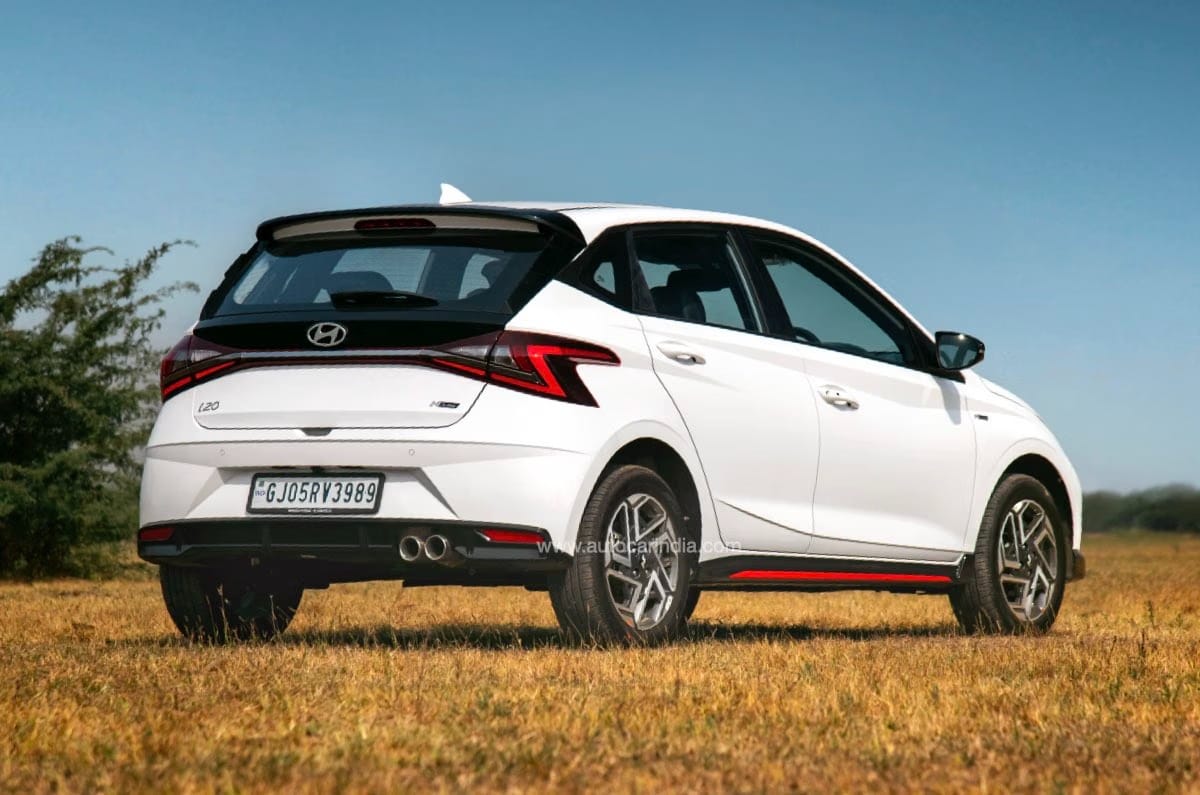
The Evolving Landscape of the i20 N Line: Trims, Tech, and Tough Choices
Hyundai i20 N Line Variant-Wise Price List (Ex-showroom, India - in Rs lakh)
Variant
MT
DCT
N6
9.21
Discontinued
N8
10.52*
11.53*
Performance and Pedigree: Under the Hood of the i20 N Line
Market Positioning and the Premium Hatchback Conundrum
Pros & Cons of the Hyundai i20 N Line (Post-Update)
Pros:
Cons:
Conclusion: A Calculated Risk in the Premium Hatchback Arena