
The electric vehicle (EV) revolution in India is accelerating at an unprecedented pace, and at the forefront of this seismic shift, a familiar titan of the two-wheeler industry is recalibrating its strategy with audacious ambition. Hero MotoCorp, a name synonymous with accessible mobility for millions, is not just dipping its toes into the electric future; it's diving in headfirst, aiming to redefine the landscape with aggressive production expansion and a strategically priced mass-market offering. Forget the cautious whispers of yesteryear; Hero is ready to roar into the electric age, challenging established players and captivating a nation hungry for sustainable, affordable transportation. But will this grand strategy truly electrify its market share, or is it a gamble in an increasingly cutthroat arena? The latest announcements from Hero MotoCorp signal a pivotal moment in its journey, promising a substantial scaling up of its electric vehicle operations. The company plans to more than double its production capacity at its state-of-the-art Sri City plant by 2027, a direct response to burgeoning EV volumes and a commendable rise in its market share. This isn't merely an incremental adjustment; it's a strategic pivot designed to capture a significant portion of India’s rapidly expanding electric two-wheeler market. The image above, depicting what appears to be a sleek concept or upcoming electric scooter, aptly encapsulates Hero's forward-looking vision and commitment to modern electric mobility. Hero MotoCorp, traditionally India's largest two-wheeler manufacturer by volume, is embarking on an aggressive growth trajectory in the electric vehicle segment. The firm’s audacious goal to ramp up electric two-wheeler production to 2.80 lakh units in FY2027 represents nearly a twofold increase from its FY2026 output of 1.48 lakh units. This surge is not just about numbers; it reflects a profound confidence in the electric future and a strategic expansion of its footprint within the burgeoning EV space. The bedrock of this expansion lies in a refined and broader product strategy under the Vida brand. Having initially ventured into the premium segment with the Vida V1 range, which featured convenient removable batteries, Hero is now strategically shifting gears. The focus is unmistakably towards achieving higher volumes through more accessible and mass-market-oriented offerings. This strategic evolution acknowledges the Indian consumer's innate price sensitivity while catering to the growing demand for electric mobility. The crown jewel of Hero's revamped EV strategy is undoubtedly the upcoming fixed-battery electric scooter, anticipated to launch around August 2026. This model is poised to be a genuine disruptor, carrying an estimated price tag of below Rs 1 lakh. For a market segment where every rupee counts, breaking the psychological barrier of Rs 1 lakh is paramount. This aggressive pricing strategy is a clear signal of Hero's intent to democratize electric two-wheeler ownership, making it a viable and attractive option for a much wider demographic. While specifics remain under wraps, industry whispers suggest this scooter could feature a 3.8kWh battery pack, striking a balance between range and cost-effectiveness tailored for daily urban commutes. The shift from premium, removable batteries to a fixed-battery, mass-market approach underscores Hero's agility and willingness to adapt to market demands. The initial Vida V1 models, while technologically advanced, struggled to achieve the desired sales volumes, partially due to their premium positioning. Learning from this, Hero is now leveraging its deep understanding of the Indian mass market – a segment it has dominated for decades – to carve out a significant niche in the electric space. This sub-Rs 1 lakh offering is not just a new product; it's a statement of intent, a challenge to rivals, and a potential game-changer for EV adoption rates across the country. It directly targets the heartland of Indian two-wheeler buyers, who prioritize affordability and practicality above all else. Before the sub-Rs 1 lakh sensation arrives, Hero has already laid crucial groundwork with the VX2 electric scooter. This model introduced an innovative Battery-as-a-Service (BaaS) model, a crucial differentiator in a market grappling with high upfront costs and range anxiety. Under the BaaS subscription plan, the VX2 becomes incredibly accessible, starting from an attractive Rs 44,990. For those preferring outright ownership, prices range from Rs 77,590 to Rs 98,970, strategically positioning it just below the crucial Rs 1 lakh mark. This multi-pronged pricing strategy provides flexibility, allowing consumers to choose a model that best fits their financial and usage patterns. The BaaS model is a clever attempt to circumvent one of the biggest deterrents to EV adoption: the high cost of the battery pack, which often constitutes a significant portion of the vehicle's total price. By separating the battery ownership from the vehicle, Hero aims to lower the entry barrier significantly. This model also inherently addresses range anxiety by facilitating easy battery swapping, although the logistics and widespread availability of swapping stations remain a critical challenge. If executed effectively, BaaS could be a paradigm shift, making electric mobility more akin to traditional fuel vehicles where the \"fuel\" is purchased as needed, rather than an expensive, long-term component. However, the long-term viability and profitability of such a model heavily depend on a robust and expansive swapping infrastructure, which is still in its nascent stages across India. Hero MotoCorp's electric aspirations are not confined to scooters alone. The company has its sights set on expanding into the electric motorcycle segment, with two distinct models anticipated in 2027. These include the rugged Lynx trial bike, likely aimed at niche adventure and off-road enthusiasts, and the more mainstream Vida Ubex. The Ubex, whose design has already been patented in India, hints at a practical, commuter-focused electric motorcycle designed for daily usability. This move signifies Hero's intent to offer a comprehensive electric portfolio, addressing diverse consumer preferences and market segments. The electric motorcycle segment, while smaller than scooters, holds immense potential, particularly among younger demographics and those seeking a more traditional riding experience with eco-friendly credentials. Brands like Revolt and Tork have already made inroads here, proving the viability of the segment. Hero's entry, backed by its extensive dealership network and brand recognition, could significantly accelerate the adoption of electric motorcycles, especially if it can replicate its successful mass-market pricing strategy for these upcoming models. This diversified portfolio ensures that Hero is not putting all its eggs in one basket, positioning itself for broader growth across the electric two-wheeler spectrum. Hero MotoCorp's aggressive EV push comes amid an intensely competitive landscape. The Indian electric two-wheeler market is a veritable shark tank, teeming with nimble startups and established giants all vying for dominance. Players such as TVS Motor Company with its iQube, Bajaj Auto with the Chetak, and Ather Energy with its cutting-edge 450 series, are formidable contenders. New-age players like Ola Electric have also carved out significant market share through aggressive pricing and digital-first strategies. This intense competition necessitates not just innovative products, but also robust after-sales service, extensive charging infrastructure, and compelling value propositions. While Hero's brand legacy and expansive dealership network are undeniable assets, the company faces skepticism given its relatively late entry and the initial lukewarm response to the premium Vida V1. Many critics point to the challenges in sales and marketing that Hero encountered, suggesting that simply having a product isn't enough; mastering the EV consumer journey, which differs significantly from ICE vehicles, is crucial. The aggressive pricing strategy, while appealing, also raises questions about profitability in a market already seeing fierce price wars. Maintaining margins while investing heavily in R&D, manufacturing, and infrastructure will be a delicate balancing act for Hero. Furthermore, the reliance on a burgeoning, yet still developing, public charging infrastructure across India poses its own set of challenges, impacting consumer confidence and adoption rates. Hero MotoCorp's aggressive pivot towards electric mobility is a bold move with distinct advantages and inherent risks. Understanding these can provide a clearer picture of its potential impact on the Indian EV landscape. Hero MotoCorp's strategic maneuvers in the EV sector are a testament to the dynamic nature of the automotive industry. With plans to nearly double its EV production by FY27 and the impending launch of a sub-Rs 1 lakh Vida scooter, the company is positioning itself not just to participate, but to lead in the transformation of personal mobility in India. The initial performance, with FY26 registrations reaching approximately 1.44 lakh units and a market share climbing to 10.3 percent, provides a solid foundation for this ambitious expansion. The journey ahead, however, is fraught with challenges. The aggressive competition, the nascent state of charging infrastructure, and the constant need for technological innovation demand sustained focus and investment. Yet, Hero's legacy as a volume leader, its extensive network, and its willingness to innovate with models like BaaS, provide it with unique advantages. The successful execution of its fixed-battery mass-market strategy, coupled with the introduction of electric motorcycles, could very well cement its position as a dominant force in India’s electric two-wheeler market. It’s a bold gamble, but one that could pay off handsomely, reshaping the future of commuting for millions. Hero MotoCorp stands at a critical juncture, poised to leverage its monumental brand power and manufacturing prowess to electrify the Indian two-wheeler market. The planned doubling of production capacity and the strategic launch of a sub-Rs 1 lakh Vida scooter are not merely business decisions; they are declarative statements of intent, aiming to make electric mobility a tangible reality for the masses. While the road ahead is undoubtedly challenging, marked by intense competition and evolving technological landscapes, Hero's deep understanding of the Indian consumer and its vast network provide a formidable base. If the company can navigate these complexities with the same agility and determination it has shown throughout its history, its electric offensive could well be the catalyst that propels India into a truly sustainable and accessible electric future. The nation watches with anticipation as Hero MotoCorp recharges its legacy, ready to write its next chapter in electric dreams.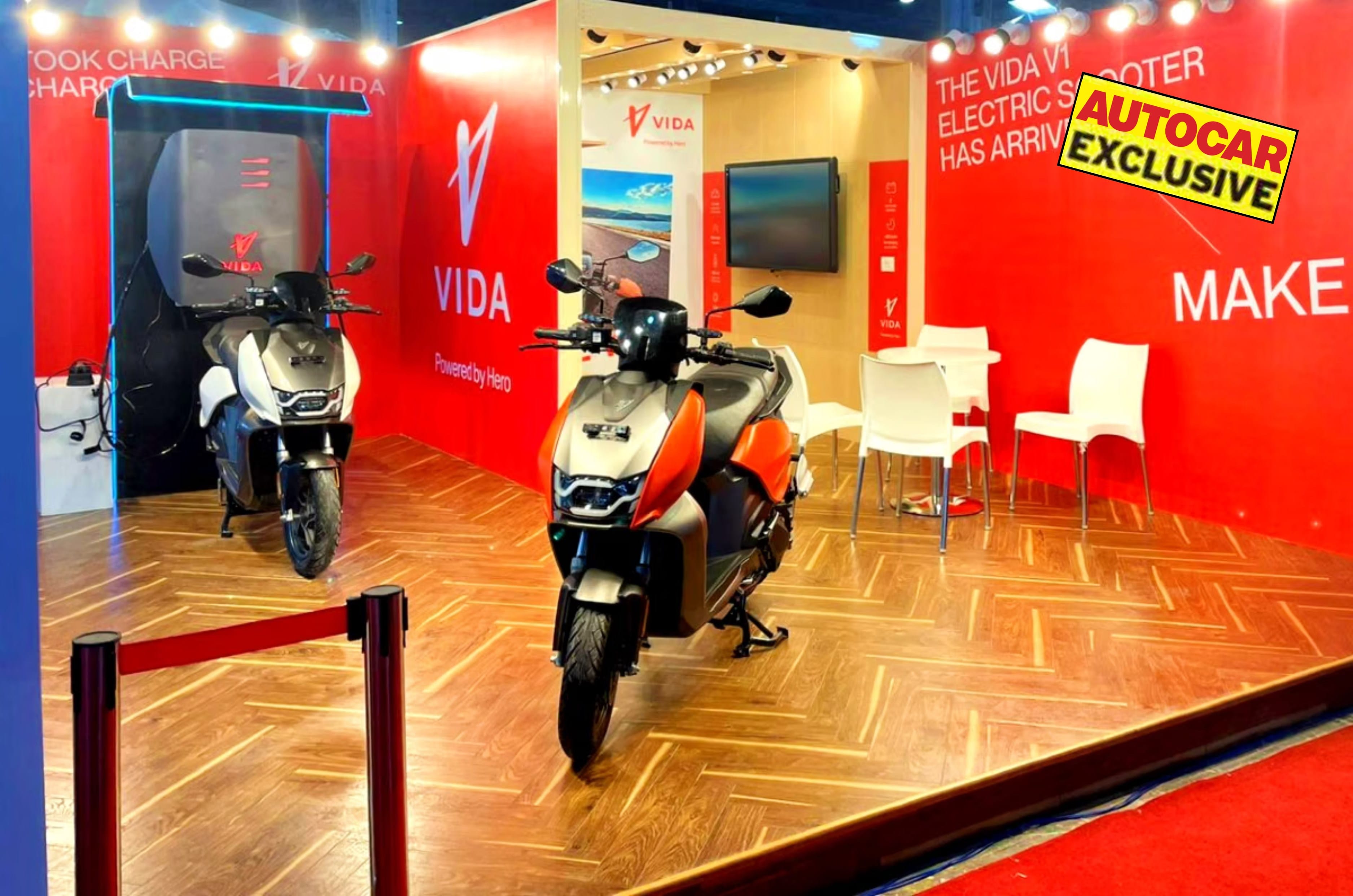
Hero MotoCorp's Electric Offensive: Charging Towards a Sub-Rs 1 Lakh Revolution and Doubled Production
Hero MotoCorp's Electric Ambition: Doubling Down on the Future
The Sub-Rs 1 Lakh Game-Changer: Vida's Mass Market Play
Innovating Accessibility: The Vida VX2 and Battery-as-a-Service (BaaS)
Beyond Scooters: Hero's Electric Motorcycle Vision
Navigating the Electrified Battlefield: Hero's Competitive Edge and Challenges
Pros & Cons of Hero MotoCorp's EV Strategy
Pros:
Cons:
The Road Ahead: Hero MotoCorp's Electric Odyssey
Conclusion: Hero's Electrifying Bet on India's Future