
The hum of an electric vehicle quietly gliding past is becoming an increasingly common sound on Indian roads, a testament to the nation's burgeoning commitment to sustainable mobility. Yet, for many prospective EV owners, the journey from desire to ownership is often stalled by a pervasive question: \"Where will I charge it?\" This very real 'range anxiety' often extends beyond the open road, into the very places we live and work. As depicted in the accompanying image of a Mahindra XUV.e9 charging, the convenience of seamless power access is paramount. Recognizing this critical infrastructure gap, the state of Haryana is taking a bold, proactive step that could redefine the landscape of electric vehicle adoption across India. Through proposed amendments to its Building Code, 2017, the Department of Town and Country Planning (DTCP) is mandating 'EV-ready' parking for all new residential and commercial projects. This isn't just a regulatory tweak; it's a foundational shift, embedding the future of electric mobility into the very blueprint of urban development. This ambitious move by Haryana represents a paradigm shift from solely focusing on vehicle-side incentives to prioritizing the indispensable charging ecosystem. It’s a strategic pivot that acknowledges that for electric vehicles to truly proliferate, charging infrastructure must evolve from an afterthought to a fundamental utility, as essential as water and electricity. Let's delve deeper into the specifics of these transformative proposals, their potential impact, and the broader implications for India's electric dreams. The proposed amendments are comprehensive, addressing various facets of building design and usage. At their core, they stipulate that all new constructions and significant renovations must incorporate the necessary electrical conduits and wiring infrastructure to support EV charging across designated parking spaces. This pre-emptive approach ensures that charging capabilities are factored in at the planning stage, significantly reducing the cost and complexity of retrofitting later. The devil, as always, is in the details, and Haryana's draft doesn't shy away from setting clear, actionable benchmarks: Akshit Bansal, founder and CEO of Statiq, an prominent EV charging network provider, welcomed the amendments, stating, \"We welcome the Haryana Department of Town and Country Planning's (DTCP) proposed amendments to the Haryana Building Code 2017, enabling electric vehicle (EV) charging stations in basements and across residential/commercial projects statewide, as outlined in this week's DTCP notice.\" This industry endorsement highlights the perceived positive impact and necessity of such proactive policy measures. Haryana's initiative is not just about mandates; it reflects a deeper strategic understanding of what it takes to drive mass EV adoption. For years, government efforts in India focused heavily on offering subsidies for EV purchases, aiming to reduce the upfront cost barrier. While effective to a degree, this approach often overlooked the fundamental chicken-and-egg problem: people won't buy EVs without charging, and charging infrastructure won't scale without sufficient EVs. Haryana's proposal addresses this by tackling the infrastructure side head-on, effectively future-proofing the built environment. This move aligns with global best practices where nations successfully transitioning to EVs have robust charging networks, especially at residential and workplace locations. Studies consistently show that the vast majority of EV charging occurs at home overnight or at the workplace during the day. By embedding this capability into new constructions, Haryana is not just supporting future EV adoption; it's actively enabling it, making the switch to electric a far more practical and appealing proposition for residents and businesses alike. This also significantly reduces the burden on public fast-charging networks, allowing them to focus on highway corridors and transient needs, rather than being overwhelmed by daily top-ups. While the intent is unequivocally positive, a holistic view requires acknowledging both the significant advantages and potential challenges that such a mandate might bring. Crafting robust policy demands foresight into implementation hurdles and unintended consequences. These challenges are not insurmountable but require careful planning, investment, and collaboration between government bodies, urban planners, real estate developers, and utility providers. Ignoring them would be a disservice to the laudable goals of the mandate. The public consultation phase for these amendments is a critical juncture. Feedback from stakeholders – including developers, residents, industry experts, and environmental groups – will be vital in refining the policy to ensure it is both ambitious and pragmatic. Once approved, the focus will shift to robust implementation and enforcement. This will require clear guidelines, training for building inspectors, and potentially incentives for early adopters. Beyond Haryana, this initiative could serve as a powerful template for other Indian states. As India aims to achieve ambitious EV penetration targets – for instance, 30% of private cars, 70% of commercial vehicles, and 80% of two and three-wheelers by 2030 – similar building code amendments across the nation will be indispensable. The central government's FAME India scheme and various state-level EV policies have laid the groundwork, but ultimately, the success hinges on accessible, reliable charging. Moreover, this mandate will necessitate parallel investments in smart grid technologies, energy storage solutions, and renewable energy generation to ensure the increased demand for electricity for charging is met sustainably and without overloading existing infrastructure. Local utility companies will need to work closely with developers to plan for increased load and necessary upgrades. The long-term vision extends beyond merely providing charging points. It encompasses the integration of smart charging solutions that can optimize energy consumption, manage demand, and even allow for vehicle-to-grid (V2G) capabilities in the future, where EVs can feed power back into the grid during peak demand. This holistic approach will transform our urban environments into smart, sustainable ecosystems that seamlessly support the next generation of transportation. Haryana's proposed amendments to its Building Code are more than just bureaucratic changes; they represent a forward-thinking vision for urban development and sustainable mobility. By mandating EV-ready infrastructure from the ground up, the state is addressing one of the most significant barriers to electric vehicle adoption, demonstrating a profound commitment to India's green future. While the path ahead will undoubtedly present challenges – from managing increased electricity demand to ensuring universal compliance and high-quality installations – the proactive step taken by Haryana is a powerful testament to the transformative potential of policy. It's a spark that could ignite a national revolution, transforming our cities into vibrant hubs where the hum of electric vehicles is not just heard, but fully supported by a ubiquitous, efficient, and future-ready charging ecosystem. This commitment to embedding EV charging within the very fabric of our buildings is not just about convenience; it's about building a cleaner, healthier, and more sustainable India, one parking spot at a time.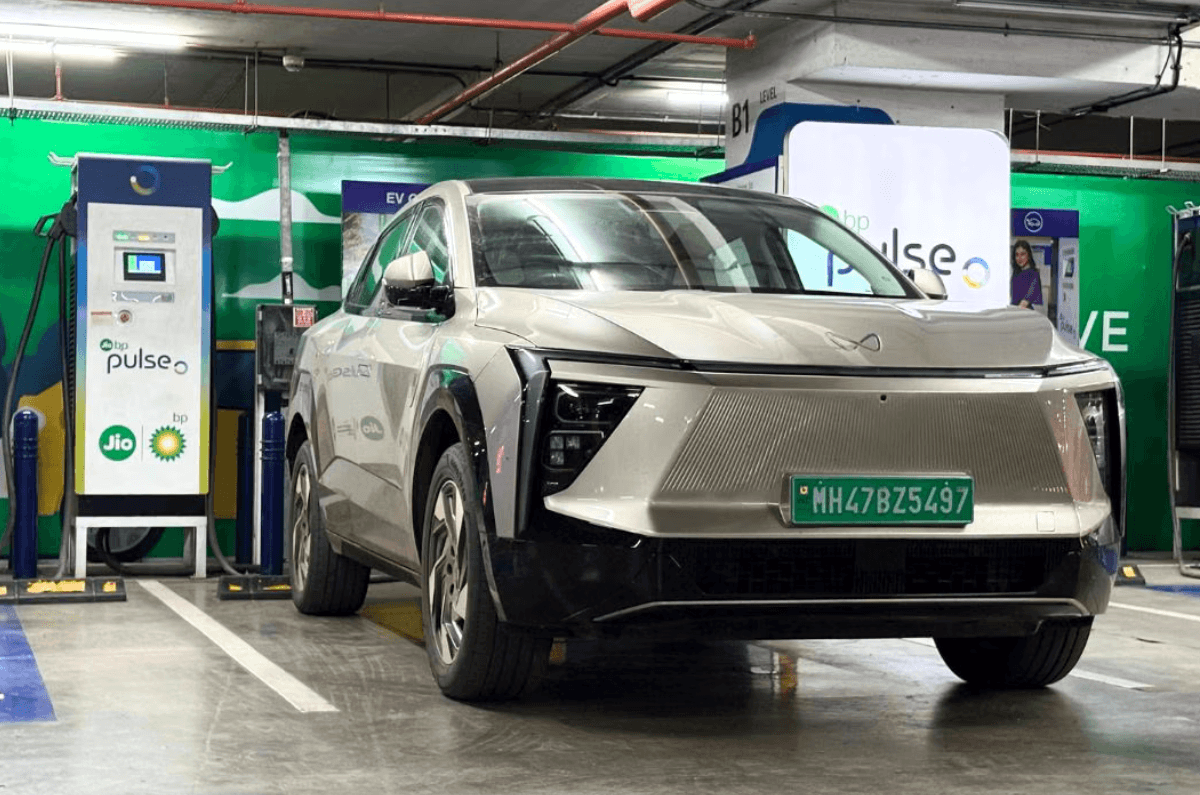
Haryana's Electrifying Mandate: Paving the Way for India's EV Future with Charging-Ready Buildings
The Blueprint for an Electrified Future: Understanding Haryana's Mandates
Beyond the Wires: The Strategic Shift and Broader Implications
A Balanced View: Pros and Cons of Haryana's EV Mandate
Pros:
Cons (The 'Negative View PR' to engage readers):
The Road Ahead: Implementation, Innovation, and National Aspirations
Conclusion: A Spark Igniting a Revolution