
Few motorcycles command the streets with the same blend of raw energy, accessible performance, and iconic styling as the Bajaj Pulsar NS200. A true streetfighter at heart, the NS200 has carved a formidable niche for itself in the highly competitive Indian two-wheeler market and beyond. It’s a machine that promises thrills, agility, and a dash of rebellious spirit, all wrapped in a package that has evolved to meet the demands of modern riders. But with evolution comes choice, and for the Pulsar NS200, that choice comes in the form of two distinct variants, each offering a slightly different proposition regarding performance, safety, and price point.
The decision between these two models – the NS200 SC and the NS200 DC USD – can significantly impact your riding experience, your wallet, and crucially, your safety on the road. This isn't merely about choosing a colour or a sticker; it's about understanding the core technological distinctions that set these variants apart. From braking systems that could be life-savers to suspension setups that redefine handling dynamics, every detail matters.
As discerning riders, we seek not just speed, but control; not just power, but precision. And that's precisely what we're here to break down today. This comprehensive guide will dissect each variant of the Bajaj Pulsar NS200, explaining what each brings to the table, its functional implications, and ultimately, helping you make an informed decision on which iteration of this formidable street machine is the perfect fit for your riding aspirations and budget. Prepare to delve deep into the mechanics and philosophy behind one of India's most beloved naked sportbikes, beautifully captured in the accompanying image showcasing its muscular stance and aggressive design.
Before we differentiate, it's crucial to acknowledge the common ground that makes both NS200 variants formidable contenders in their segment. At the heart of every Bajaj Pulsar NS200 lies a truly magnificent powerplant: a 199.5cc, single-cylinder, liquid-cooled, triple-spark DTS-i engine. This isn't just an engine; it's a testament to Bajaj's engineering prowess, designed for both spirited performance and daily usability. Generating a robust 24.5hp of power and 18.7Nm of torque, this engine offers a thrilling surge of acceleration, especially in the mid-range, making it a joy to ride in urban environments and exhilarating on open roads. Its liquid-cooling system ensures optimal thermal management, crucial for maintaining performance consistency during extended rides or in demanding traffic conditions, a feature not always standard in this price bracket.
The gearbox, typically a slick-shifting 6-speed unit, complements the engine's character beautifully, allowing riders to extract maximum performance or cruise efficiently. Beyond the engine, both variants share the same aggressive streetfighter ergonomics, characterised by a slightly forward-leaning rider posture, wide handlebars, and rear-set footpegs – a setup designed for agile handling and confident cornering. The perimeter frame, another hallmark of the NS200, provides exceptional rigidity and stability, laying the foundation for its impressive dynamic capabilities.
Furthermore, modern amenities such as the Bluetooth-enabled LCD console are standard across the board. This console offers a wealth of information, from speed and RPM to fuel level and trip meters, with the added convenience of smartphone connectivity for calls and turn-by-turn navigation (where supported), enhancing the overall riding experience. The stylish disc brakes at both ends are also a common feature, providing strong stopping power, though their effectiveness is further augmented by the ABS configuration, which we'll delve into next. The striking design, sharp lines, and underbelly exhaust continue to define the NS200's road presence, regardless of the specific variant. To learn more about Bajaj's innovative engine technology, consider visiting the official Bajaj Auto website.
The Bajaj Pulsar NS200 SC, where 'SC' denotes 'Single-Channel', represents the entry point into the NS200 family. This variant is meticulously designed to offer the exhilarating performance and streetfighter aesthetics of the NS200 at a more accessible price point. It retains the core mechanical brilliance that defines the model, but with a specific focus on balancing cost and capability.
The defining characteristic of the NS200 SC is its single-channel Anti-lock Braking System (ABS). In this setup, ABS is typically applied only to the front wheel. Single-channel ABS prevents the front wheel from locking up under hard braking, a critical safety feature that helps the rider maintain steering control, especially on slippery surfaces or during emergency stops. While significantly enhancing safety compared to a non-ABS system, it's important to understand its limitations. The rear wheel, still operating without ABS, can still lock up if excessive braking pressure is applied, potentially leading to a skid or loss of control if the rider is not careful. This requires a more nuanced approach to braking, particularly in adverse conditions.
Complementing the single-channel ABS is a conventional telescopic fork setup at the front. Telescopic forks have been the standard in motorcycling for decades due to their robust design, ease of maintenance, and cost-effectiveness. They comprise two tubes – an outer slider and an inner stanchion – that slide into each other, with internal springs and damping oil managing suspension action. While highly effective, conventional forks, by their nature, can experience a phenomenon known as 'flex' under extreme braking or cornering loads. This isn't necessarily a critical flaw for everyday riding, but it can subtly influence the precision and feedback felt at the handlebars, particularly for aggressive riders. The rear continues with the reliable monoshock suspension, offering a comfortable and stable ride.
The Bajaj Pulsar NS200 SC is typically priced around Rs 1.35 lakh (ex-showroom, Delhi), making it a highly attractive option for budget-conscious riders seeking a powerful and stylish naked sportbike. This competitive pricing opens the door for a wider audience to experience the thrill of the NS200 platform.
Stepping up the ladder, the Bajaj Pulsar NS200 DC USD variant caters to riders who demand the absolute best in terms of safety features and dynamic handling from their middle-weight streetfighter. This variant takes the proven NS200 formula and injects significant upgrades that elevate both the riding experience and rider confidence. The 'DC USD' in its moniker precisely points to its dual-channel ABS and Upside-Down (USD) front forks.
The most critical upgrade in the DC USD variant is the inclusion of dual-channel ABS. Unlike its single-channel counterpart, this system monitors and modulates braking pressure on *both* the front and rear wheels independently. This means that under aggressive braking, or when encountering slippery surfaces, neither the front nor the rear wheel is likely to lock up. This allows the rider to apply maximum braking force without fear of losing traction, maintaining optimal stability and steering control. In emergency situations, dual-channel ABS can significantly reduce stopping distances and prevent potentially dangerous skids, making it an invaluable safety feature for all riders, particularly those who frequently navigate unpredictable urban traffic or variable road conditions. It provides an unparalleled layer of reassurance, allowing the rider to focus more on the road ahead and less on the nuances of braking technique in a panic scenario. Safety advocacy groups consistently recommend dual-channel ABS for optimal motorcycle safety; you can find more information on motorcycle safety standards from organizations like the IIHS.
The second major enhancement is the Upside-Down (USD) front fork. Replacing the conventional telescopic unit, USD forks invert the traditional design: the thicker, stronger outer tubes are mounted to the triple clamps, while the thinner stanchions extend downwards to the wheel axle. This configuration offers several key advantages:
The rear monoshock setup remains consistent, working in harmony with the new front forks to deliver a balanced and responsive ride.
The NS200 DC USD variant commands a price of approximately Rs 1.45 lakh (ex-showroom, Delhi). This represents a Rs 10,000 premium over the base SC variant, a difference that, as we will discuss, provides substantial value in terms of safety and performance.
Having dissected the technical specifications, the burning question remains: which variant offers the best value and aligns with your riding needs? The Rs 10,000 price difference between the SC and DC USD models might seem significant on paper for a budget-conscious buyer, but it unlocks two truly meaningful functional upgrades. Let's weigh the pros and cons to illuminate the path forward.
After a thorough examination, our recommendation leans strongly towards the Bajaj Pulsar NS200 DC USD variant. The Rs 10,000 premium, when viewed against the significant functional upgrades it offers, represents an incredibly compelling value proposition. Dual-channel ABS, in particular, is not just a feature; it's an indispensable safety system that could literally be the difference between a minor scare and a major accident. It empowers the rider with greater confidence and control, especially under unpredictable real-world riding conditions where sudden braking is often unavoidable. This layer of safety is invaluable and arguably priceless.
Furthermore, the USD forks are not merely an aesthetic upgrade. They tangibly enhance the motorcycle's handling, providing a more precise, stable, and engaging ride. For a bike designed to be a streetfighter, offering agility and sharp dynamics, the USD forks unlock its full potential, allowing the rider to push its limits with greater confidence and comfort. While the NS200 SC remains a capable and affordable motorcycle, those who prioritise maximum safety, superior handling, and a more premium feel will find the extra investment in the DC USD variant incredibly rewarding. It's an investment that pays dividends not just in terms of riding pleasure but, more importantly, in peace of mind.
Ultimately, the choice is personal, but for a relatively small incremental cost, the Bajaj Pulsar NS200 DC USD offers a demonstrably better overall package. It’s the variant that truly embodies the modern evolution of the Pulsar legacy, providing a ride that is not only thrilling and stylish but also unequivocally safer and more dynamically refined. When you factor in the potential for enhanced resale value and the undeniable benefits to rider safety and confidence, the DC USD emerges as the clear champion in the NS200 lineup. So, ride safe, ride smart, and choose the Pulsar NS200 variant that truly elevates your journey on two wheels.
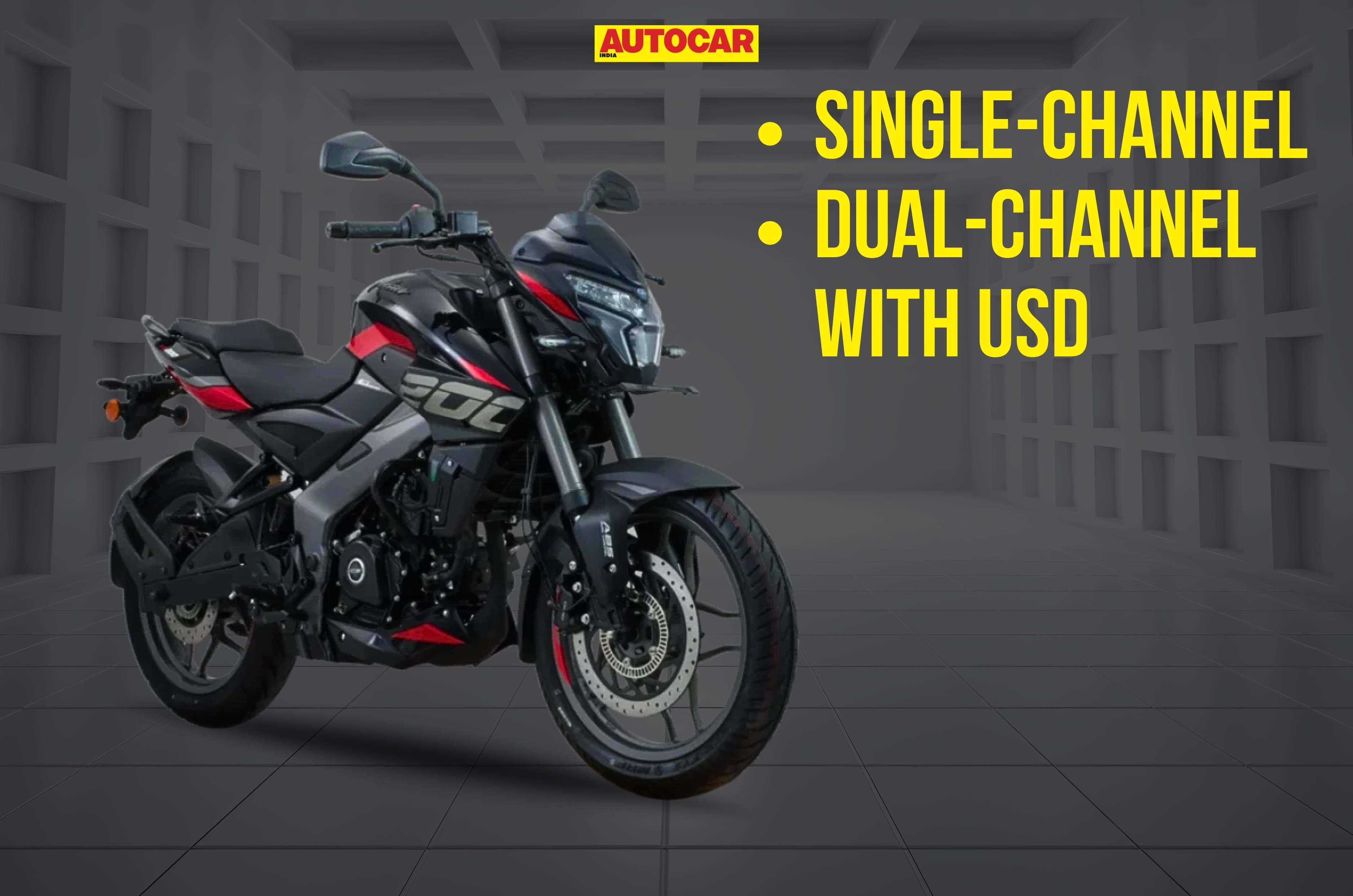
Pulsar Power Unleashed: Demystifying the Bajaj NS200 Variants – Your Ultimate Buying Guide
The Unyielding Heart: Core Performance Shared Across Variants
Bajaj Pulsar NS200 SC: The Foundation of Accessibility and Performance
Single-Channel ABS: A Foundational Safety Net
Conventional Telescopic Forks: Proven Durability
Price Point:
Bajaj Pulsar NS200 DC USD: Elevating Safety and Dynamics
Dual-Channel ABS: The Gold Standard in Motorcycle Braking Safety
USD Forks: Precision and Premium Dynamics
Price Point:
The Critical Dilemma: Which Pulsar NS200 Variant is Right for You?
Bajaj Pulsar NS200 SC: Pros & Cons
Bajaj Pulsar NS200 DC USD: Pros & Cons
The Verdict: Investing in Safety and Performance