
In the dynamic and fiercely competitive landscape of Indian electric two-wheelers, a true phenomenon has emerged, quietly yet emphatically dominating the streets and sales charts. The image above, capturing the essence of this success, hints at a narrative far grander than mere numbers. We're talking about the Ather Rizta, a family-focused electric scooter that, in just over two years since its grand unveiling in April 2024, has not only crossed an astounding 3 lakh unit wholesale milestone but has fundamentally reshaped the trajectory of Ather Energy. This isn't just a success story; it's a blueprint for mass-market EV adoption, a testament to strategic innovation, and a vibrant indicator of India's accelerating shift towards sustainable urban commuting. For years, Ather was perceived as the purveyor of premium, performance-oriented electric scooters, appealing primarily to tech-savvy urban youth. While their 450X series garnered critical acclaim, it left a significant chunk of the market untouched – the Indian family seeking practicality, comfort, and affordability without compromise. The Rizta was Ather’s audacious answer, a calculated pivot that has paid dividends beyond initial expectations, propelling the company into the upper echelons of India’s electric two-wheeler OEMs. The journey of the Ather Rizta from launch to a monumental 3 lakh units is nothing short of remarkable, showcasing an accelerated pace of adoption that few electric vehicles have matched. Launched on April 6, 2024, the scooter quickly found its footing, with deliveries commencing in July 2024. The initial demand was so robust that Ather dispatched its first 1 lakh units in a little over 10 months, a significant feat for a newcomer in a crowded market dominated by established players. The momentum only intensified. The 2 lakh unit milestone was comfortably surpassed by October 2025, illustrating a sustained and growing market appetite. By the end of April 2026, precisely two years and one month post-launch, the Ather Rizta had crossed the impressive 3 lakh unit threshold, solidifying its position as a powerhouse in the electric two-wheeler segment. Before the Rizta, Ather’s growth, while steady, was somewhat constrained by its premium positioning. The 450X, despite its accolades, catered to a niche. The Rizta, with its focus on broader appeal, comfort, and practicality for the entire family, unlocked a vast new demographic. This strategic shift is glaringly evident in the sales figures: This undeniable success wasn't merely a stroke of luck. It was the result of a keen understanding of the Indian consumer. While the allure of high performance in electric vehicles remains, the mass market prioritizes reliability, space, and a compelling value proposition. The Rizta offers a spacious seat, ample under-seat storage, and a sturdy build – features that resonate deeply with families navigating daily commutes, school runs, and grocery trips. Its success proves that the path to widespread EV adoption in India lies not just in cutting-edge technology, but in thoughtful design that addresses everyday practicalities. The Rizta’s triumph is intertwined with several strategic initiatives undertaken by Ather Energy, demonstrating a holistic approach to conquering the Indian EV market. These include innovative ownership models, aggressive manufacturing expansion, and forward-looking product development. One of the most significant barriers to EV adoption has always been the initial upfront cost, largely driven by the expensive battery pack. Ather tackled this head-on with its innovative Battery-as-a-Service (BaaS) model. By separating the cost of the battery from the scooter itself, Ather made the Rizta significantly more accessible. For instance, the Rizta S, priced at Rs 1.17 lakh ex-showroom Bengaluru with the battery included, becomes incredibly attractive at a lower upfront cost of Rs 76,000 under the BaaS scheme. This model shifts a substantial portion of the capital expenditure into a more manageable operational expense (a monthly subscription for the battery), drastically improving affordability and easing the financial burden on new buyers. This strategy effectively addresses a critical point of friction for many potential EV consumers, turning a disadvantage into a compelling competitive edge. Ather’s aggressive growth trajectory demands equally ambitious manufacturing capabilities. Recognizing this, the company is not only maximizing its existing Hosur facilities in Tamil Nadu but is also investing heavily in a new, state-of-the-art plant at Chhatrapati Sambhajinagar. This new facility is designed for an annual capacity of one million units, a clear indication of Ather's long-term vision and confidence in the sustained growth of the EV market. Once operational, this expansion will catapult Ather’s total production capacity to an astounding 1.42 million units annually, positioning it as a formidable force capable of meeting surging demand. Furthermore, Ather is not content with its current product portfolio. The company is actively developing a new EL platform, slated to underpin a range of future electric scooters spanning commuter, family, and performance segments. This demonstrates a commitment to continuous innovation and market diversification. In an even more ambitious move, Ather is working on a separate Zenith platform specifically for electric motorcycles, targeting the highly popular 125-300cc class. These strategic platform developments signal Ather's intention to broaden its appeal across various two-wheeler categories, challenging traditional ICE (Internal Combustion Engine) vehicles in every segment. While the success of the Ather Rizta is undeniable, a truly professional analysis requires acknowledging both its strengths and the broader challenges faced by the Indian EV ecosystem. A balanced perspective fosters deeper engagement and a more informed discussion. The Ather Rizta's journey to 3 lakh sales is more than a commercial victory; it's a pivotal moment for India's electric two-wheeler market. It demonstrates that the appetite for sustainable mobility extends far beyond the early adopters and performance enthusiasts. By successfully tapping into the vast family segment, Ather has proven that electric vehicles can, and will, become a mainstream choice for the Indian populace. Ather Energy’s strategic foresight – from the launch of the Rizta to its innovative BaaS model and ambitious manufacturing expansion plans – has positioned it as a vanguard in this transition. The development of new platforms like EL and Zenith underscores a commitment to sustained innovation, ensuring that Ather remains at the forefront of the EV revolution, not just in scooters but potentially in motorcycles as well. However, the road ahead is not without its bumps. The fluctuating nature of government subsidies, the imperative to build a robust and ubiquitous charging infrastructure, and the need to address persistent consumer anxieties about range and battery longevity remain critical challenges. Competition is only set to intensify, demanding continuous product refinement, aggressive market strategies, and an unwavering focus on customer experience. The Ather Rizta has not just crossed a sales milestone; it has established a new benchmark for mass-market electric vehicle adoption in India. Accounting for over three-quarters of Ather’s total e-scooter volumes, it has become the bedrock of the company’s portfolio and a significant contributor to India’s broader electrification goals. By successfully expanding beyond its premium niche and catering to the practical needs of families, Ather Energy has demonstrated a profound understanding of the Indian market's pulse. As Ather continues to scale its manufacturing, innovate with new platforms, and address critical market challenges, the future looks bright. The Rizta’s journey is a powerful testament to the transformative potential of electric mobility and a clear signal that the electric revolution in India’s two-wheeler segment is not just coming – it is already here, powered by scooters like the Ather Rizta that resonate deeply with the aspirations of a nation on the move. The stage is set for an electrifying future, and Ather, with the Rizta leading the charge, is poised to ride that wave to even greater heights.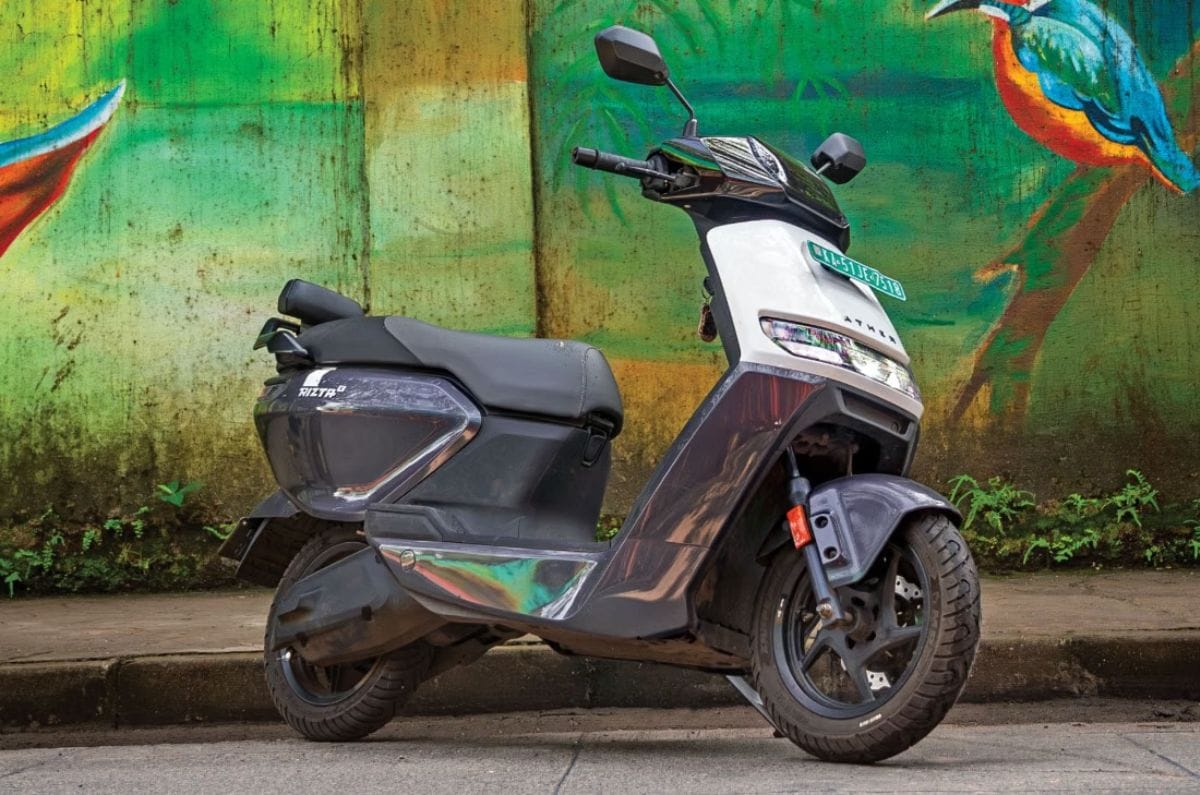
Ather Rizta: The Unstoppable Force Shattering Sales Records – How Ather’s Family EV Conquered 3 Lakh Homes and Redefined Indian Mobility
The Rizta's Meteoric Ascent: A Deep Dive into the Numbers Behind the Revolution
Rizta: The Cornerstone of Ather's Expanded Market Footprint
Beyond the Scooter: Ather's Strategic Pillars and Future Ambitions
The Affordability Edge: Battery-as-a-Service (BaaS) and Pricing Strategy
Scaling Up: Manufacturing Prowess and Future Platforms
A Balanced View: The Pros and Cons of Ather Rizta's Journey and India's EV Transition
Pros of the Ather Rizta and EV Adoption in India:
Cons & Challenges (The \"Negative View PR\" for Engagement):
The Road Ahead: Ather's Vision in a Rapidly Evolving Landscape
Conclusion: Ather Rizta – A New Benchmark for Mass-Market EV Success