India's Automotive Market Surges: Unpacking the Record-Breaking April 2026 Passenger Vehicle Sales
The Indian automotive sector has once again demonstrated its formidable resilience and growth trajectory, kicking off the new fiscal year (FY2027) with an unprecedented surge in passenger vehicle (PV) retail sales. Far from merely recovering, the market is aggressively expanding, presenting a fascinating mosaic of evolving consumer preferences, strategic brand maneuvers, and shifting regional dynamics. This isn't just about numbers; it's a testament to the nation's burgeoning economic confidence and the increasingly sophisticated tastes of its car buyers.
A Robust Start to FY2027: Breaking Records and Setting New Benchmarks
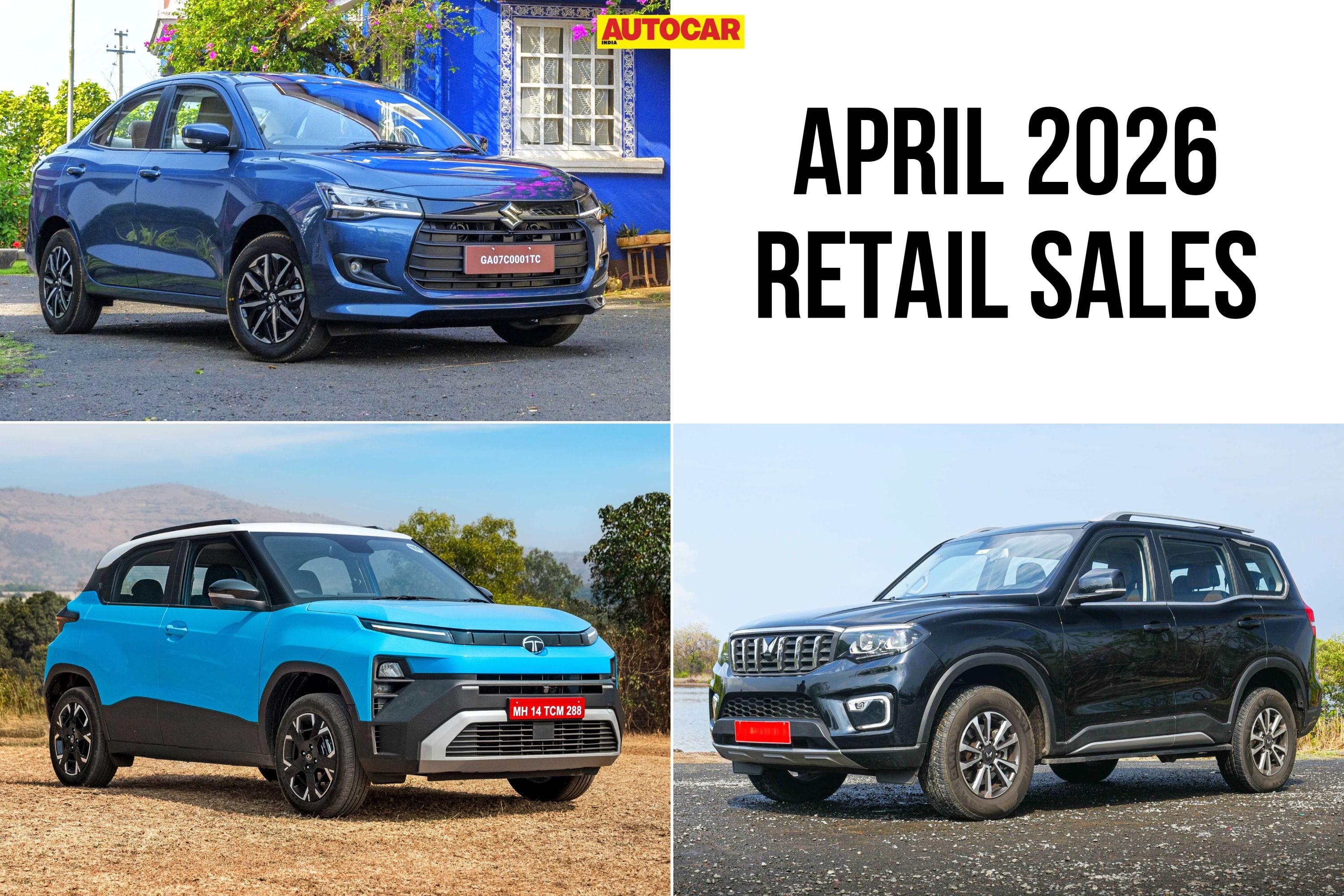
According to the latest insights from the Federation of Automobile Dealers Associations (FADA), April 2026 witnessed a monumental performance in the Indian passenger vehicle segment. A staggering 4,07,335 units were retailed across the country, signifying an impressive 12.21 percent year-on-year (YoY) growth. This isn't just a positive uptick; it marks the highest-ever April sales figure recorded for the PV market, signaling a robust and optimistic beginning to FY2027.
This record-breaking start underscores a powerful rebound and sustained demand, defying general expectations of a post-festival slump that sometimes characterizes the early months of a fiscal year. However, a deeper dive reveals intriguing nuances. While the YoY comparison painted a bright picture, month-on-month (MoM) figures showed a 7.45 percent decline compared to March 2026. This apparent contradiction is largely attributable to the typical surge in fiscal year-end dispatches that often inflate March sales figures as manufacturers and dealers push to meet annual targets and clear inventory for the new financial cycle. Understanding this seasonal pattern is crucial to avoid misinterpreting short-term fluctuations in an otherwise bullish market.
- The rural market's sales share impressively climbed to 41.2 percent, indicating a significant shift in demand dynamics, with urban areas accounting for 58.8 percent.
- Both Compressed Natural Gas (CNG) and Electric Vehicle (EV) segments carved out larger market shares YoY, reflecting evolving consumer preferences towards greener and more economical mobility solutions.
The Shifting Landscape: Rural Demand Continues to Outpace Urban Growth
One of the most compelling narratives emerging from the April 2026 data is the sustained and pronounced outperformance of rural markets over their urban counterparts. Rural demand experienced a robust 20.4 percent YoY growth, nearly tripling the 7.11 percent YoY growth observed in urban areas. This trend is not new, but its acceleration signifies a pivotal shift in the geographical epicenter of India's automotive growth.
The overall retail sales share for urban markets stood at 58.8 percent, while rural areas impressively accounted for 41.2 percent in April 2026. This rural share has been on an upward trajectory, increasing from 38.3 percent in FY2025 to 39.7 percent in FY2026, and the current indicators suggest this positive momentum will strongly persist into FY2027. This burgeoning demand from India's hinterlands is a direct consequence of several factors:
-
Improved Agricultural Prosperity: Favorable monsoons and government support for agriculture have bolstered rural incomes, directly translating into higher discretionary spending.
-
Infrastructure Development: Enhanced road connectivity, better banking facilities, and wider access to digital services are empowering rural consumers and expanding market reach for automakers.
-
Changing Aspirations: Increased media penetration and exposure to urban lifestyles have fueled aspirations for personal mobility among rural populations, seeing vehicles as both a utility and a status symbol.
-
OEM Strategic Focus: Automakers are increasingly tailoring their marketing, sales, and service networks to penetrate deeper into rural areas, recognizing the untapped potential.
The Negative View: While rural growth is a boon, it also highlights potential stagnation or slower growth in mature urban markets. For manufacturers, this implies a recalibration of product strategies – a greater emphasis on robust, fuel-efficient, and value-for-money vehicles, along with strengthening last-mile sales and service networks in remote regions. The distribution challenges and higher operational costs in fragmented rural markets remain significant hurdles that need innovative solutions.
Fueling the Future: A Paradigm Shift in Powertrain Preferences
The fuel mix in India’s PV segment is undergoing a significant metamorphosis, driven by environmental concerns, fluctuating fuel prices, and technological advancements. April 2026 data clearly illustrates this shift away from traditional fossil fuels towards more sustainable alternatives.
| Fuel type |
April 2026 |
March 2026 |
April 2025 |
| Petrol |
45.95% |
44.81% |
49.03% |
| Diesel |
17.39% |
18.33% |
18.85% |
| CNG/LPG |
22.62% |
23.76% |
19.84% |
| Hybrid |
8.27% |
7.99% |
8.58% |
| EV |
5.77% |
5.11% |
3.70% |
Both petrol and diesel powertrains recorded YoY declines in their market shares. Petrol slid from 49.03 percent in April 2025 to 45.95 percent in April 2026, while diesel fell from 18.85 percent to 17.39 percent. Hybrids also saw a minuscule dip from 8.58 percent to 8.27 percent, suggesting that despite their efficiency, the spotlight is firmly on full EVs and CNGs.
The Rise of CNG and EVs: Powering India's Green Transition
CNG and Electric Vehicles (EVs) were the undisputed stars, recording substantial YoY growth in sales share. CNG vehicles saw their share jump from 19.84 percent in April 2025 to 22.62 percent in April 2026. This surge is a clear indicator of consumers prioritizing lower running costs amid rising fuel prices and increased availability of CNG infrastructure, especially in tier-1 and tier-2 cities. Similarly, EV market share grew from a modest 3.7 percent to an impressive 5.77 percent in the same period, fueled by government incentives, a wider array of attractive models, and growing environmental consciousness.
The Negative View: Despite the promising growth, challenges persist. For EVs, range anxiety, the nascent charging infrastructure, and the higher upfront cost compared to ICE vehicles remain barriers for mass adoption. While government subsidies are helping, the overall ecosystem needs significant maturation. For CNG, the limited availability of refueling stations in remote areas and the perception of reduced boot space due to the cylinder still deter some buyers. The slight MoM decline in CNG and diesel shares in April suggests that while the long-term trend is upward for CNG, short-term fluctuations can occur, possibly due to production shifts or temporary inventory adjustments. The marginal dip in hybrids also warrants observation; are they being squeezed between the affordability of CNG and the aspirational appeal of EVs?
Brand Battles: Decoding Individual Player Performance in April 2026
The Indian automotive market is fiercely competitive, and April 2026 saw various manufacturers navigating this landscape with differing strategies and outcomes. Here’s a closer look at how the top players performed:
| |
April 2026 sales |
April 2026 market share (%) |
April 2025 sales |
April 2025 market share (%) |
| Maruti Suzuki |
1,58,509 |
38.91 |
1,40,971 |
38.83 |
| Tata |
57,688 |
14.16 |
45,130 |
12.43 |
| Mahindra |
55,236 |
13.56 |
51,574 |
14.21 |
| Hyundai |
47,449 |
11.65 |
45,203 |
12.45 |
| Toyota |
27,006 |
6.63 |
25,609 |
7.05 |
| Kia |
25,226 |
6.19 |
22,368 |
6.16 |
| MG |
6,064 |
1.49 |
5,284 |
1.46 |
| Honda |
5,346 |
1.31 |
5,057 |
1.39 |
| Renault |
4,087 |
1.00 |
2,870 |
0.79 |
| Nissan |
3,047 |
0.75 |
1,914 |
0.53 |
| Vinfast |
1,232 |
0.30 |
N/A |
N/A |
Maruti Suzuki: Undisputed Leader Maintaining Dominance
India’s largest carmaker, Maruti Suzuki, continues its reign, recording 1,58,509 units sold, representing a nearly 12.5 percent YoY growth. Its market share also saw a marginal increase from 38.83 percent to 38.91 percent. The evergreen Dzire and Ertiga remain pivotal to its success, alongside a renewed demand for its small car segment. Maruti's aggressive push in CNG and upcoming EV models positions it well for future shifts.
Tata Motors: The Challenger's Remarkable Ascent
Slotting into a strong second place, Tata Motors retailed 57,688 units, marking an impressive 27.8 percent YoY increase. Its market share jumped significantly from 12.43 percent to 14.16 percent. The recently launched Punch facelift and the consistent strong seller Nexon are key drivers. Tata's pioneering efforts in the EV space continue to pay dividends, with healthy growth across its electric portfolio.
Mahindra & Mahindra: SUV Prowess with a Market Share Dip
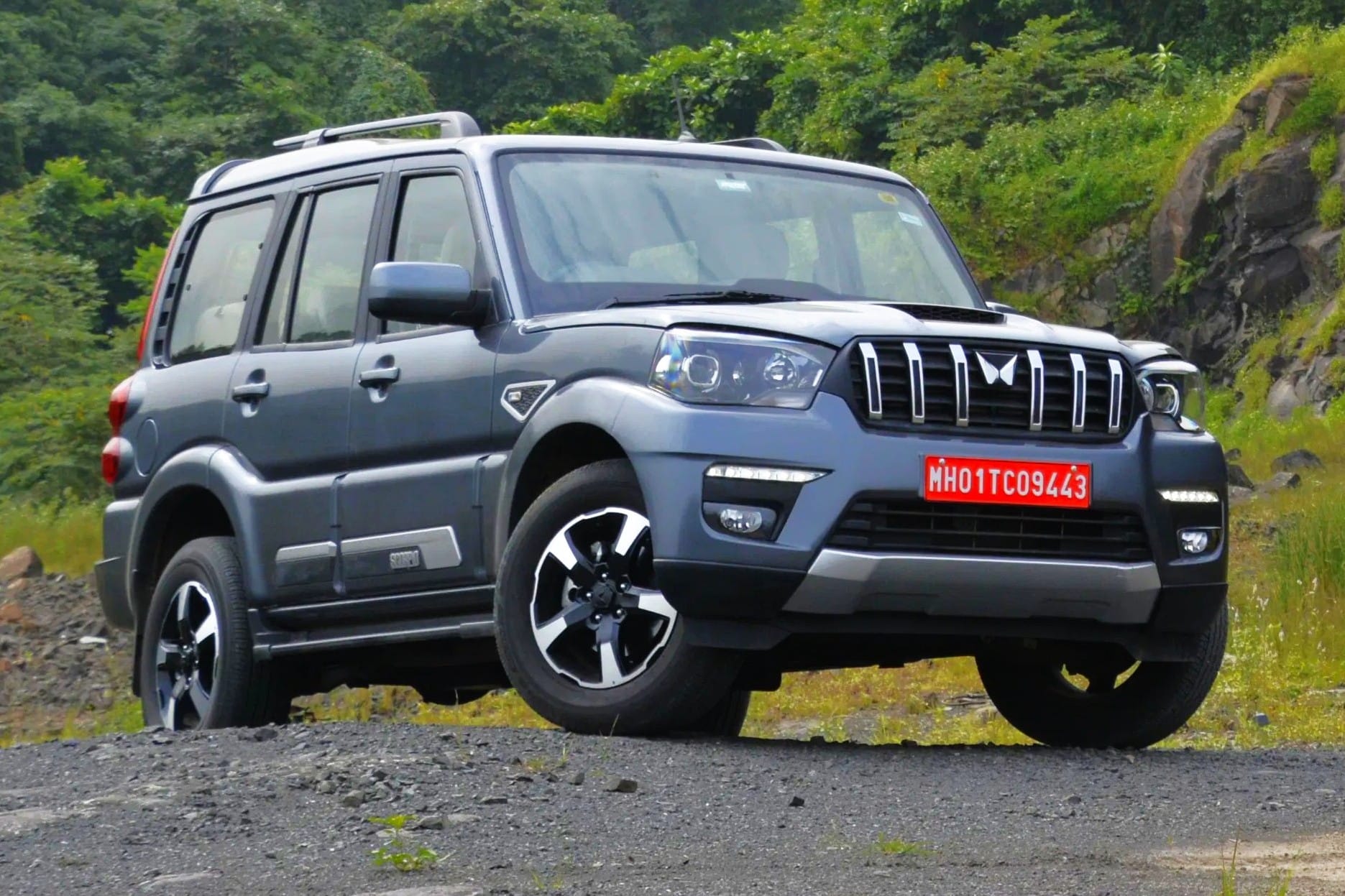
Mahindra registered a respectable 7.1 percent YoY growth with 55,236 units sold. However, its market share dipped from 14.21 percent to 13.56 percent. The Scorpio N and Scorpio Classic, alongside the rugged Thar and feature-rich XUV 7XO, continue to drive sales. The market share dip, despite sales growth, suggests heightened competition in the lucrative SUV segment.
Hyundai: Consistent Performer Facing Share Erosion
Retaining fourth place, Hyundai posted a just under 5 percent YoY sales uptick with 47,449 units. Similar to Mahindra, Hyundai’s market share declined from 12.45 percent to 11.65 percent. The ever-popular Creta remains its bestseller, complemented by healthy demand for the new Venue. Intense competition in the mid-size SUV segment is likely pressuring Hyundai's overall share.
Toyota: Premium Offerings and Steady Growth
Toyota’s retail sales grew by almost 5.5 percent YoY, reaching 27,006 units. However, its market share slipped from 7.05 percent to 6.63 percent. The Innova Hycross and Innova Crysta, along with the Hyryder midsize SUV, are its primary revenue generators, highlighting Toyota's focus on premium and strong hybrid segments.
Kia India: Riding the SUV Wave with Market Share Gain
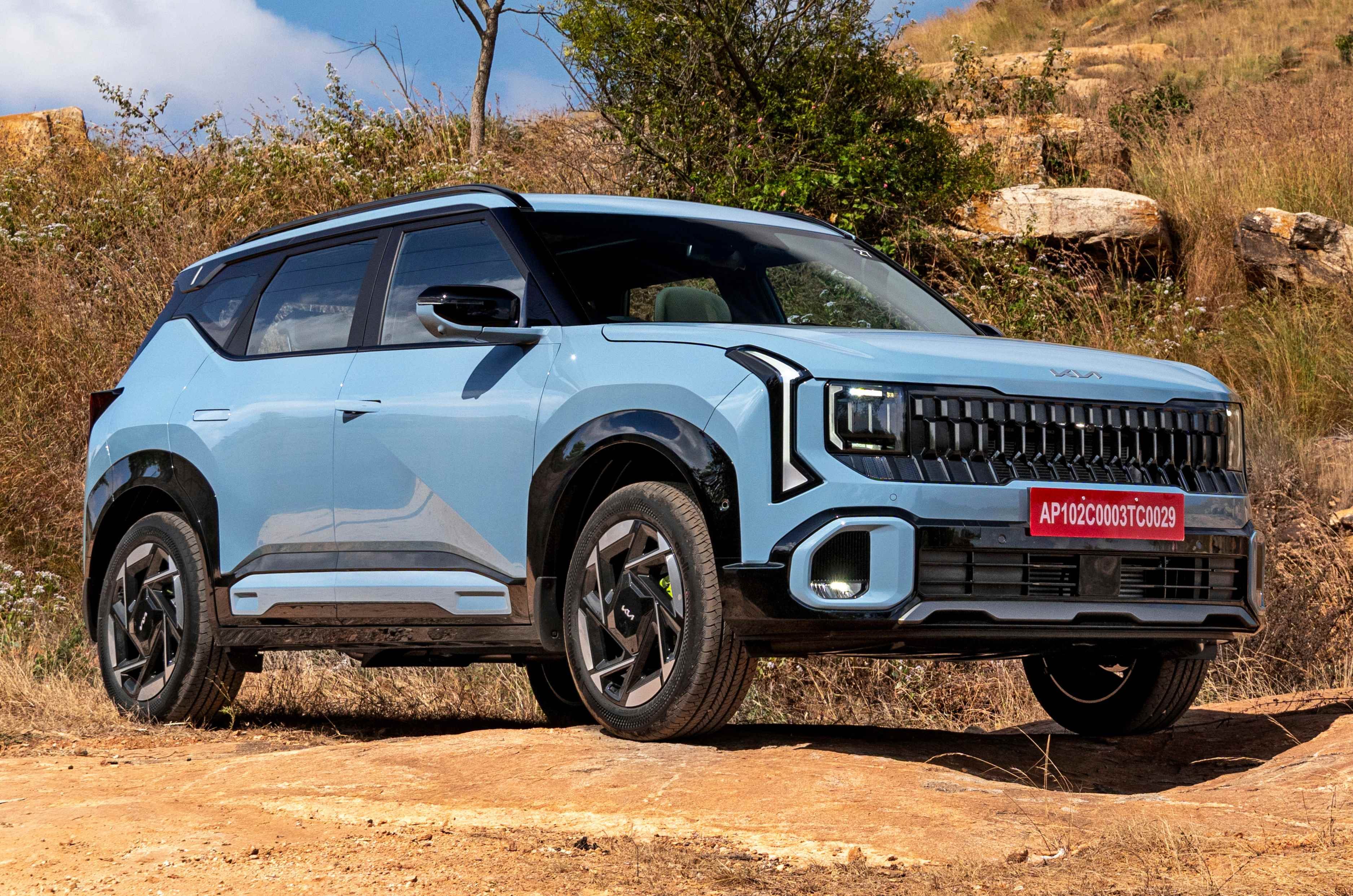
Hyundai’s sister brand, Kia, recorded a substantial YoY increase of nearly 12.77 percent with 25,226 units. Unlike Hyundai, Kia marginally grew its market share from 6.16 percent to 6.19 percent. The new Seltos has been a runaway success, strongly supported by the Sonet, reinforcing Kia’s strong SUV-centric strategy.
MG Motor: Electrifying Growth and Expanding Footprint
Retail sales for MG underwent a 14.76 percent YoY uptick, selling 6,064 units. Its market share also increased slightly from 1.46 percent to 1.49 percent. MG’s success is increasingly driven by its EV offerings, particularly the Windsor EV, alongside the popular Hector SUV.
Honda Cars India: Relying on its SUV Bet
Honda experienced YoY sales growth of over 5.71 percent with 5,346 units, though its market share dipped from 1.39 percent to 1.31 percent. The Elevate SUV has become its primary sales driver. The brand is keenly awaiting the launch of the City facelift and ZR-V to bolster its portfolio.
Renault: The Duster's Return Fuels Revival
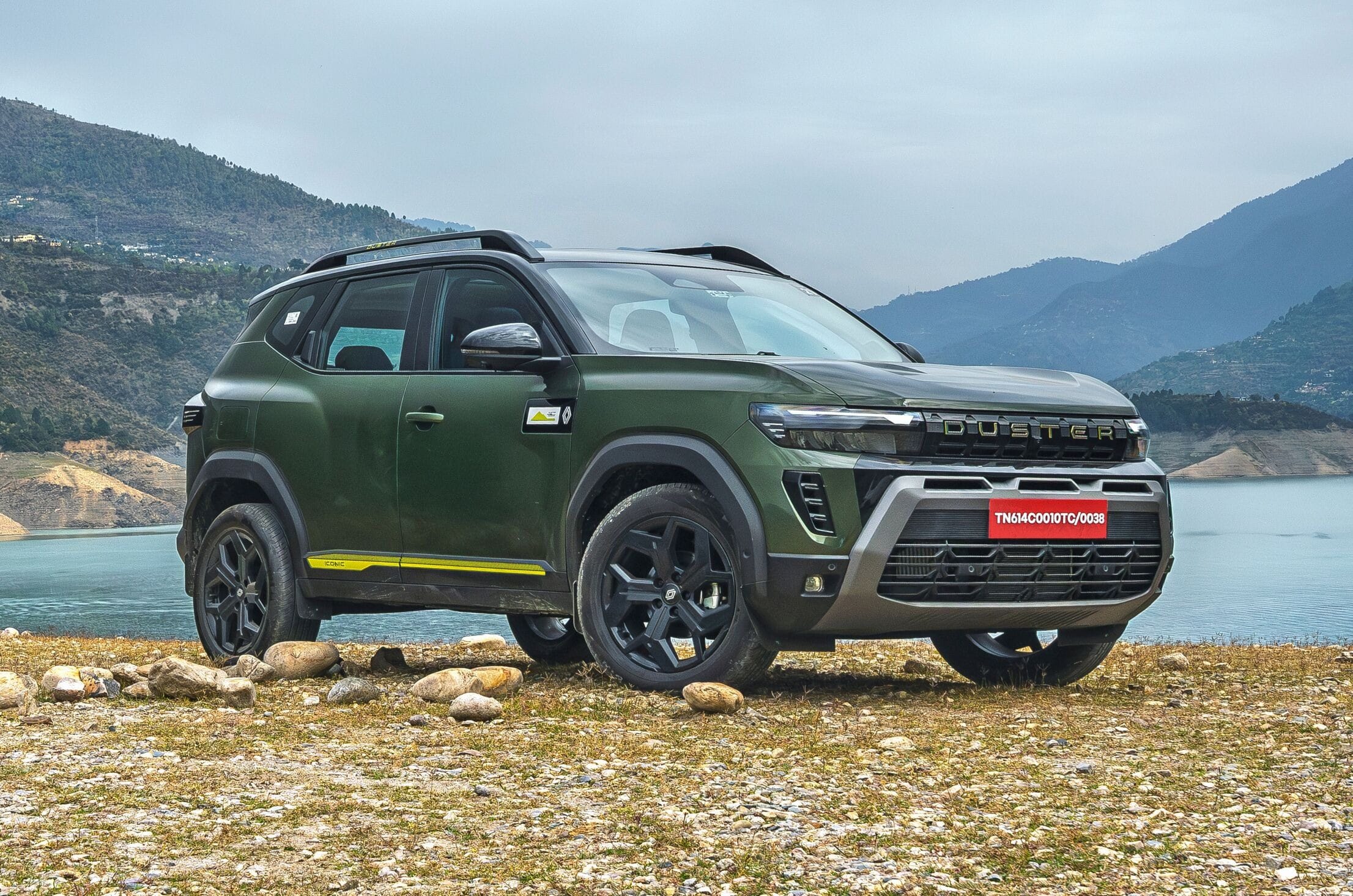
Thanks to the highly anticipated launch of the new Duster in March, Renault recorded one of the highest YoY sales surges: an astounding 42.4 percent, with 4,087 units sold. Its market share also increased significantly from 0.79 percent to 1 percent, marking a crucial turnaround.
Nissan: New Launches Driving Momentum
Nissan, with the launch of the Gravite earlier in 2026, achieved a hefty YoY sales uptick of 59.2 percent, selling 3,047 units. Its market share grew from 0.53 percent to 0.75 percent. The upcoming Tekton, a sibling to the Duster, is expected to further boost its fortunes.
Vinfast: The New EV Challenger
Vietnamese EV maker Vinfast, having launched its debut models in India in September 2025, made a notable entry with 1,232 units sold in April 2026. While YoY comparisons aren't applicable yet, its healthy demand and the recent launch of its third offering, the VF MPV 7, indicate a promising start in the burgeoning Indian EV market.
India's PV Market: A Snapshot of Pros and Cons
The performance of the Indian passenger vehicle market in April 2026 offers a mixed bag of opportunities and challenges. A balanced perspective is crucial for understanding its long-term trajectory.
Pros
-
Record-Breaking Growth: The highest-ever April sales signal strong underlying demand and consumer confidence, indicating a healthy start to the new fiscal year.
-
Surging Rural Demand: The consistent outperformance of rural markets points to inclusive economic growth and unlocks new, vast customer bases for automakers, promising sustained expansion.
-
Fuel Diversification: The significant rise in CNG and EV market shares reflects a successful shift towards more sustainable and economical mobility solutions, aligning with global trends.
-
Robust Performance from Key Players: Leaders like Maruti Suzuki and Tata Motors, along with strong growth from Kia, MG, Renault, and Nissan (driven by new launches), show dynamic competition and innovation.
-
New Entrants & Innovation: The healthy demand for new players like Vinfast introduces fresh competition and expands consumer choices, particularly in the EV segment.
Cons
-
MoM Sales Dip: While explainable by fiscal year-end rushes, a 7.45 percent sequential decline could indicate cautious consumer sentiment or inventory adjustments needing close monitoring.
-
Market Share Erosion for Established Players: Brands like Mahindra, Hyundai, and Toyota saw their market share dip despite positive YoY sales, signaling increasing competition and the need for renewed strategies.
-
Infrastructure Gaps for EVs/CNG: Despite growth, the widespread availability of charging stations for EVs and CNG pumps in remote areas remains a critical bottleneck for accelerated adoption.
-
Intense Competition: The entry of new players and aggressive strategies by existing ones lead to fierce price wars and thinner margins, challenging profitability for some.
-
Potential Economic Headwinds: Global economic uncertainties, inflation, and interest rate hikes could dampen consumer discretionary spending in the future, impacting sustained growth.
Conclusion: Navigating a Dynamic and Evolving Automotive Landscape
April 2026 sales figures unequivocally position India's passenger vehicle market on a trajectory of robust growth and dynamic transformation. The record-breaking YoY performance, driven significantly by burgeoning rural demand, paints a picture of resilient consumer confidence and expanding economic inclusion. The accelerating shift towards CNG and Electric Vehicles underscores a foundational change in consumer priorities, driven by both economics and environmental consciousness.
However, the market is not without its complexities. The nuanced MoM decline, coupled with the varied market share performances of individual brands, highlights the intense competition and the need for agile, adaptive strategies. Established players must innovate constantly to fend off challengers and address evolving consumer preferences. The success of brands like Tata in the EV space and Renault/Nissan through new, impactful product launches serves as a blueprint for navigating this dynamic environment.
Looking ahead, the Indian automotive sector is poised for continued expansion, albeit with evolving challenges. Sustained infrastructure development, favorable government policies, and an unwavering focus on consumer-centric innovation will be critical for maintaining this momentum. The future of personal mobility in India is not just about selling more cars; it's about shaping a diverse, sustainable, and accessible automotive ecosystem for millions. As FY2027 unfolds, all eyes will be on how automakers leverage these trends and overcome inherent challenges to sustain growth in this incredibly exciting and pivotal market.
For more in-depth automotive insights and market analysis, visit Autocar India.