
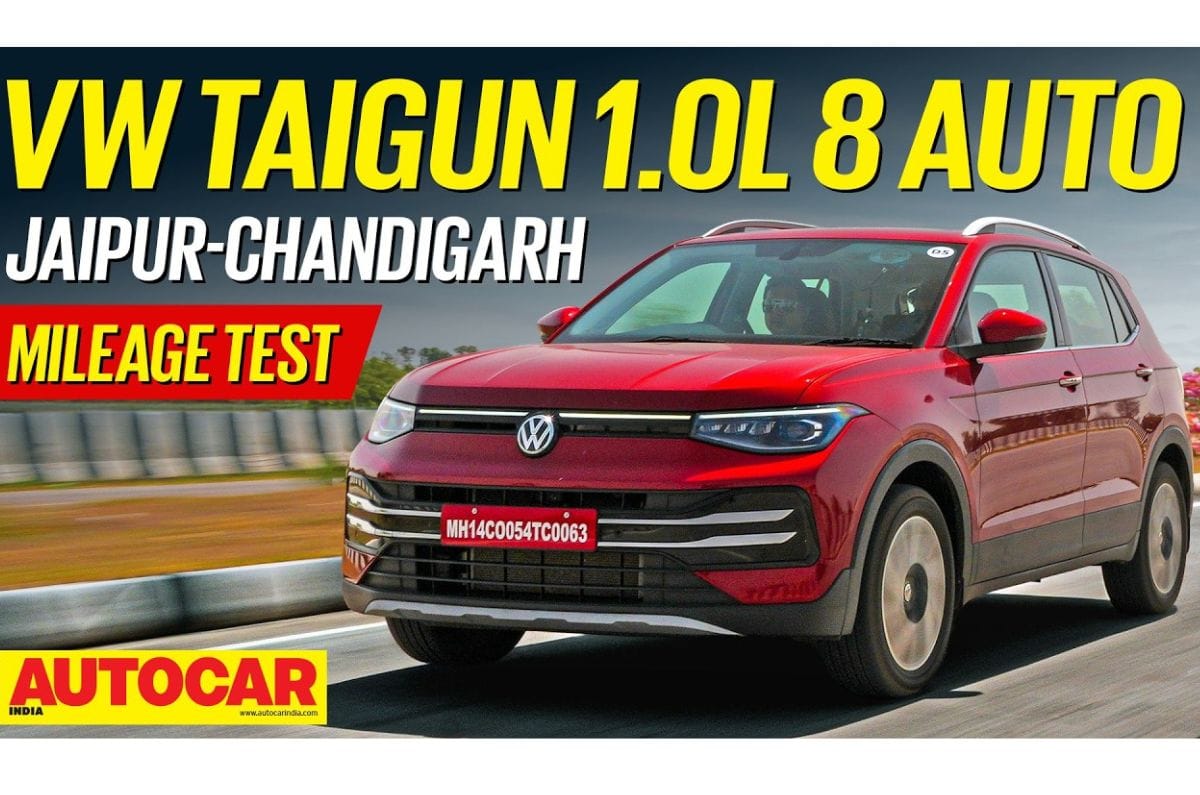
The compact SUV segment has rapidly become the automotive battleground of the 21st century. It's a space where practicality meets aspiration, urban agility blends with a hint of ruggedness, and every manufacturer vies for the attention of a discerning, ever-growing customer base. In this fiercely contested arena, Volkswagen has steadfastly carved out its niche with the Taigun, a vehicle that promises a blend of German engineering, sophisticated design, and dynamic driving. As we look towards the 2026 model year, the anticipation surrounding the updated Volkswagen Taigun is palpable. Will this refreshed iteration truly redefine the segment, or will it find itself merely playing catch-up in a race dominated by feature-laden rivals? Let's delve deep into what the 2026 Taigun brings to the table, examining its evolution, driving dynamics, and its potential impact on the market. Volkswagen has always been known for its understated yet elegant design philosophy, a characteristic that permeates the 2026 Taigun. While the core silhouette remains familiar, the refresh brings a host of subtle yet impactful changes designed to keep it visually relevant and appealing. At first glance, the front fascia receives a more assertive interpretation of Volkswagen's signature grille, possibly integrating new chrome elements or a darker, more aggressive finish depending on the trim level. The headlamp units, a crucial element in a car's character, are expected to feature updated LED DRL (Daytime Running Light) signatures, lending a sharper, more futuristic gaze. Imagine a sophisticated matrix LED setup, similar to what's seen in higher-end VW group vehicles, offering enhanced illumination and a distinctive visual signature after dusk. The bumper too sees a revision, with redesigned air intakes and perhaps new fog lamp housings that contribute to a wider, more planted stance. Moving to the side profile, new alloy wheel designs are almost a certainty. These aren't just cosmetic; updated aerodynamics and lighter materials can subtly influence both fuel efficiency and handling. The rear section of the 2026 Taigun is also poised for enhancements, likely focusing on the taillight clusters, which could adopt a connected light bar design – a popular trend that accentuates width and modernity. A subtly revised rear bumper and perhaps new exhaust finishers could complete the exterior refresh, ensuring the Taigun continues to turn heads without straying from its refined aesthetic. Inside the cabin, Volkswagen's commitment to quality and ergonomics is expected to be further elevated. The infotainment system, already quite intuitive, might receive a larger display or a more advanced interface, potentially integrating an updated version of VW's MIB (Modular Infotainment Matrix) system with enhanced connectivity features and quicker response times. A fully digital instrument cluster, configurable to display various driving data and navigation prompts, is almost a given, bringing a premium touch that buyers now expect. Material upgrades, especially on touchpoints like the steering wheel, gear selector, and door panels, are anticipated. Imagine softer-touch plastics, new upholstery options, and potentially ambient lighting that can be customized to suit the driver's mood. These refinements, while seemingly minor, collectively elevate the sense of luxury and sophistication within the Taigun's cabin. Under the hood, while revolutionary changes are less likely, refinements to the existing powertrain options are probable. The popular 1.0-liter TSI (turbocharged stratified injection) and 1.5-liter TSI Evo engines are expected to continue, perhaps with minor tweaks for improved fuel efficiency or emissions compliance. The 1.5-liter engine, with its cylinder deactivation technology, remains a highlight, offering a commendable balance of performance and economy. Transmission options are likely to include both precise manual gearboxes and the revered DSG (Direct Shift Gearbox) automatic, known for its rapid and smooth shifts. Volkswagen’s emphasis on ride and handling, a core tenet of its engineering philosophy, means we can anticipate further fine-tuning of the suspension setup. This could translate to an even more composed ride over varying road surfaces while retaining the engaging feedback that enthusiasts appreciate, a delicate balance often hard to achieve in this segment. The Volkswagen Taigun has always prided itself on offering a driving experience that stands apart in its class, often praised for its Germanic solidity and engaging dynamics. The 2026 model is expected to build on this foundation. In urban environments, the compact dimensions and light steering (at low speeds) make the Taigun surprisingly nimble, weaving through traffic with ease. Its elevated driving position provides excellent visibility, a crucial factor for navigating congested city streets. On the open highway, this is where the Taigun truly shines. The 1.5-liter TSI engine, in particular, offers robust performance, allowing for effortless overtaking and maintaining high cruising speeds with remarkable stability. The taut suspension, while sometimes perceived as firm over particularly harsh imperfections, truly comes into its own on twisty roads, delivering minimal body roll and instilling confidence through corners. The steering, often criticized for being a tad light in earlier VW models, is expected to offer a more communicative feel, providing precise feedback to the driver, allowing for spirited driving when the mood strikes. Beyond the exhilaration of the drive, the 2026 Taigun must also excel in daily practicality. Volkswagen has a knack for optimizing interior space, and the Taigun is no exception. While it may not boast the absolute largest footprint, smart packaging ensures ample headroom and legroom for front occupants. Rear seat comfort has been a point of contention for some compact SUVs, and VW is likely to address any previous concerns, aiming for improved knee room and under-thigh support. However, it’s worth noting that for three adults in the rear, the Taigun, like many in its class, might still feel a bit snug. The boot space, crucial for families and adventure-seekers, is expected to remain competitive, offering enough room for weekend getaways or the weekly grocery run. Thoughtful storage solutions throughout the cabin – cup holders, door pockets, and a decent-sized glovebox – contribute to its liveability. Technological advancements and safety features are paramount in modern vehicles. The 2026 Taigun is anticipated to offer a comprehensive suite of safety technologies, possibly expanding its ADAS (Advanced Driver-Assistance Systems) portfolio. Features like adaptive cruise control, lane-keeping assist, and enhanced autonomous emergency braking are becoming standard expectations, and Volkswagen will likely equip the Taigun to meet or exceed these. Connectivity features, including wireless Apple CarPlay and Android Auto, along with a suite of connected car services via Volkswagen's proprietary applications, will further enhance the user experience, integrating the vehicle seamlessly into the owner's digital lifestyle. The overall fit and finish, a hallmark of Volkswagen vehicles, will ensure a cabin that feels built to last, reinforcing the brand's reputation for quality and durability. The compact SUV segment is a cutthroat environment, with formidable competitors like the Hyundai Creta, Kia Seltos, Maruti Suzuki Grand Vitara, and even its sibling, the Skoda Kushaq, all vying for market share. Each offers a unique blend of features, design, and performance. The 2026 Volkswagen Taigun faces the daunting task of not just improving upon its predecessor but also standing out in this crowded field. While Volkswagen's brand perception in markets like India is one of premium quality, safety, and superior driving dynamics, it often comes with the caveat of higher pricing and potentially more expensive maintenance compared to some Asian rivals. This perception can be a double-edged sword: it attracts those seeking a premium experience but can deter budget-conscious buyers who prioritize initial cost and an extensive feature list over engineering finesse. The \"negative view PR\" challenge for Volkswagen often revolves around its perceived premium pricing, which sometimes leads to buyers feeling that certain \"bling\" features found in rivals are missing, despite the Taigun offering a more robust underlying platform and superior driving feel. For instance, while rivals might offer ventilated seats or panoramic sunroofs across more variants, VW tends to reserve such features for top trims or omit them entirely in favor of focusing on core engineering. This can be a point of contention for consumers who are swayed by a long list of gadgetry. Additionally, Volkswagen's service network, while improving, still sometimes carries a reputation for being pricier or less ubiquitous than those of its mass-market competitors. These are critical considerations for potential buyers and areas where the 2026 Taigun, despite its improvements, will need to navigate carefully in its marketing and positioning. The 2026 Volkswagen Taigun is poised to continue its journey as a strong contender in the compact SUV segment, focusing on what Volkswagen does best: delivering a refined, safe, and engaging driving experience wrapped in understated German elegance. While it may not win the spec-sheet war on every single feature against some aggressively priced and equipped rivals, its enduring appeal lies in its fundamental engineering strengths, the tactile quality of its interior, and the sheer pleasure of driving it. For those who prioritize substance over flashy embellishments, who value a solid and predictable ride, and who appreciate the long-term durability associated with the Volkswagen badge, the 2026 Taigun presents a compelling proposition. It's not about being a game-changer in terms of reinventing the wheel, but rather about perfecting a proven formula. The updates for 2026 are designed to keep it fresh, competitive, and relevant without compromising its core identity. In a world increasingly saturated with options, the Taigun remains a beacon of robust German engineering and sophisticated design. As the automotive landscape continues its rapid evolution, the 2026 Volkswagen Taigun stands ready to captivate drivers who seek a blend of performance, practicality, and undeniable European charisma, proving that sometimes, the best strategy isn't to chase every trend, but to refine your own distinct path.2026 Volkswagen Taigun: Redefining the Compact SUV Segment with German Precision?
The Evolution of Excellence: What's New for 2026?
Driving Dynamics and Daily Practicality: Behind the Wheel of the 2026 Taigun
The Verdict: Is the 2026 Taigun a Game-Changer or Just Playing Catch-Up?
Pros & Cons of the 2026 Volkswagen Taigun (Expected)
Conclusion: The Taigun's Enduring Appeal in a Dynamic Landscape