
The Mercedes-Benz S-Class has long been synonymous with unparalleled luxury, cutting-edge technology, and a benchmark for automotive excellence. For decades, it has dictated the very definition of a premium sedan, commanding respect on every road it graces. Now, as the automotive world pivots towards a more sustainable future, even this titan of luxury is undergoing a significant transformation. Mercedes-Benz has officially confirmed a dramatic shift for its upcoming 2026 S-Class facelift in India: the beloved diesel engine will be conspicuously absent, making way for the marque's inaugural plug-in hybrid electric vehicle (PHEV) for the Indian market – the S 450e. This isn't just a minor update; it's a profound statement, signaling a new direction for luxury mobility in one of the world's most dynamic automotive landscapes. This move promises to reshape consumer expectations and challenges the very notion of what defines a truly 'premium' driving experience in the modern age.
The decision to drop the diesel variant from the 2026 Mercedes-Benz S-Class facelift for India is more than just a product strategy; it reflects a broader, global pivot by the German luxury giant. Mercedes-Benz has committed substantial resources to its \"Electric First\" strategy, aiming for a fully electric lineup in markets where conditions permit by the end of the decade. India, with its rapidly evolving regulatory landscape and growing emphasis on green mobility, is clearly a key part of this vision. The move away from diesel, while perhaps surprising to some traditionalists, aligns perfectly with the brand's long-term sustainability goals and anticipated future emission norms, such as stricter BS7 regulations which are likely to make diesel powertrains increasingly challenging and expensive to comply with.
Globally, Mercedes-Benz continues to offer and even upgrade its diesel engines, with the 'OM 656 Evo' being the latest iteration for the facelifted S-Class in other markets. This underscores the strategic nature of the Indian decision. It's not a rejection of diesel technology outright, but rather a calculated move to prioritize electrification as a premium differentiator in the Indian context. For a flagship model like the S-Class, being at the forefront of technological change, including powertrain innovation, is paramount. The introduction of the S 450e PHEV positions Mercedes-Benz as a leader in offering advanced, environmentally conscious luxury solutions, potentially appealing to a new generation of affluent buyers who value sustainability alongside performance and prestige. This forward-looking stance, however, comes with its own set of challenges and demands careful navigation in a market still finding its footing with electric infrastructure.
For years, Mercedes-Benz diesel engines have been the silent workhorses of the luxury segment, particularly in India. The outgoing S-Class 350d variant, powered by the formidable 'OM 656' 3.0-litre inline-6 diesel engine, was a testament to this legacy. Mated to a sophisticated 9-speed automatic transmission and augmented by a 48V mild-hybrid system, this powertrain offered a compelling blend of 286hp, immense torque, and exceptional fuel efficiency – a critical factor for long-distance highway cruising, a common use case for luxury sedans in India. The deep thrum of the six-cylinder diesel, its effortless surge of power, and its reassuring range made it a preferred choice for many discerning buyers and chauffeurs alike.
The decision to axe this powertrain for the 2026 S-Class facelift will undoubtedly evoke a sense of nostalgia, if not outright disappointment, among a significant segment of Mercedes-Benz loyalists. While the global market sees an upgraded 'OM 656 Evo' continuing, its absence in India represents a definitive break from a well-established tradition. Critics might argue that diesel still offers unbeatable long-distance efficiency and lower running costs compared to petrol, especially for high-mileage users. The sheer robustness and reliability of Mercedes diesel engines have created a fiercely loyal customer base who prioritize these attributes. Shifting them to a petrol-hybrid platform, which carries a higher sticker price and the added complexity of charging, may not be an easy task. This move also leaves a void for buyers who still view diesel as the most practical and economical choice for a large luxury sedan, particularly outside major metropolitan areas where charging infrastructure for PHEVs is still nascent. It's a calculated gamble that prioritizes future trends over current, proven preferences.
Stepping into the spotlight is the S 450e plug-in hybrid (PHEV), set to become Mercedes-Benz's first PHEV offering in India. This variant represents the \"best of both worlds\" approach, blending traditional internal combustion prowess with electric vehicle efficiency. The S 450e is a sophisticated combination of a 326hp 3.0-litre turbo-petrol inline-6 engine, working in concert with a potent 163hp rear-mounted electric motor. Powering this electric motor is a substantial 22kWh battery pack. The combined system output is an impressive 435hp and a colossal 680Nm of torque, all channeled to the rear wheels via a smooth 9-speed automatic transmission.
The headline figure for the S 450e is its claimed all-electric range of 100km. This considerable range means that for many city commutes and daily errands, owners could potentially operate the S-Class purely on electric power, enjoying silent, zero-emission motoring. This significantly reduces tailpipe emissions in urban areas and offers substantial fuel savings for local travel. The instant torque delivery from the electric motor also enhances responsiveness, contributing to a refined and dynamic driving experience often associated with luxury vehicles. For buyers in metropolitan areas with access to charging facilities, the PHEV offers a compelling proposition of sustainability without the range anxiety often associated with pure Battery Electric Vehicles (BEVs), allowing for seamless long-distance travel on petrol when required. It presents an opportunity to embrace green credentials without compromising on the versatility expected of an S-Class.
However, this advanced technology comes with its trade-offs. The large 22kWh battery pack and associated electric components push the S 450e's kerb weight to a hefty 2,465kg. This makes it 280kg heavier than its pure-petrol counterpart, the S 450. This additional weight inevitably impacts performance and dynamics. While the combined horsepower is substantial, the 0-100kph sprint time of 5.7 seconds for the S 450e is notably slower than the S 450's 4.9 seconds. This difference, though subtle in daily driving, could be a point of contention for enthusiasts who expect uncompromising performance from a flagship luxury sedan. Furthermore, while the PHEV offers excellent efficiency in electric mode, once the battery is depleted, the vehicle operates primarily on its petrol engine, hauling a significant amount of additional weight (the battery and electric motor) without the benefit of electric propulsion, potentially leading to higher fuel consumption than a pure petrol model on long journeys. This raises questions about the true \"green\" credentials for owners who may not diligently plug in their vehicles.
While the S 450e PHEV commands attention, Mercedes-Benz will continue to offer compelling pure-petrol options for the 2026 S-Class facelift in India. The S 450 variant, expected to launch alongside the PHEV, will be powered by a robust 3.0-litre turbo-petrol inline-6 engine, delivering a potent 381hp through a 9-speed automatic transmission. This variant, likely equipped with a 48V mild-hybrid system for enhanced efficiency and refinement, will cater to buyers who prefer a traditional, unadulterated internal combustion engine experience with strong performance.
Furthermore, there is a strong possibility that Mercedes-Benz will introduce higher-performance petrol variants such as the S 500 and S 580. These models typically feature a thrilling 4.0-litre twin-turbo petrol V8 engine, outputting an exhilarating 449hp and 537hp respectively. Such powerful petrol options cater to a niche segment of buyers who demand supreme performance and the unmistakable rumble of a V8 engine. These variants would solidify the S-Class's position as a performance luxury sedan, offering a diverse portfolio to meet the varied demands of the Indian luxury market. Each of these petrol powertrains, being inherently simpler than a PHEV, might appeal to those who prioritize reliability and lower initial cost over the advanced, but potentially more complex, hybrid technology.
The impending arrival of the 2026 Mercedes-Benz S-Class facelift in India by late 2026 or early 2027 marks a pivotal moment for the luxury automotive segment. The decision to completely forgo the diesel engine in favor of the S 450e plug-in hybrid is a bold, decisive move by Mercedes-Benz, underscoring its unwavering commitment to an electrified future. While the absence of the long-standing diesel option might initially disappoint a segment of traditional buyers, it opens the door to a new era of sustainable luxury, characterized by reduced emissions, refined performance, and cutting-edge hybrid technology.
The S 450e PHEV, with its impressive 100km all-electric range and powerful combined output, is poised to redefine what a luxury sedan can be for the environmentally conscious elite. It promises the best of both worlds: silent, emissions-free urban commutes and the robust performance of a petrol engine for longer journeys. This strategic shift is not without its challenges, notably the higher price point and the dependence on a developing charging infrastructure. However, as India's automotive landscape continues to mature and gravitate towards greener solutions, Mercedes-Benz is clearly betting on the S-Class to lead this charge, offering a glimpse into the sophisticated and electrified future of ultra-luxury mobility. The 2026 S-Class facelift is more than just an update; it's a testament to adaptation, innovation, and an unwavering vision for what's next in the world of automotive grandeur.
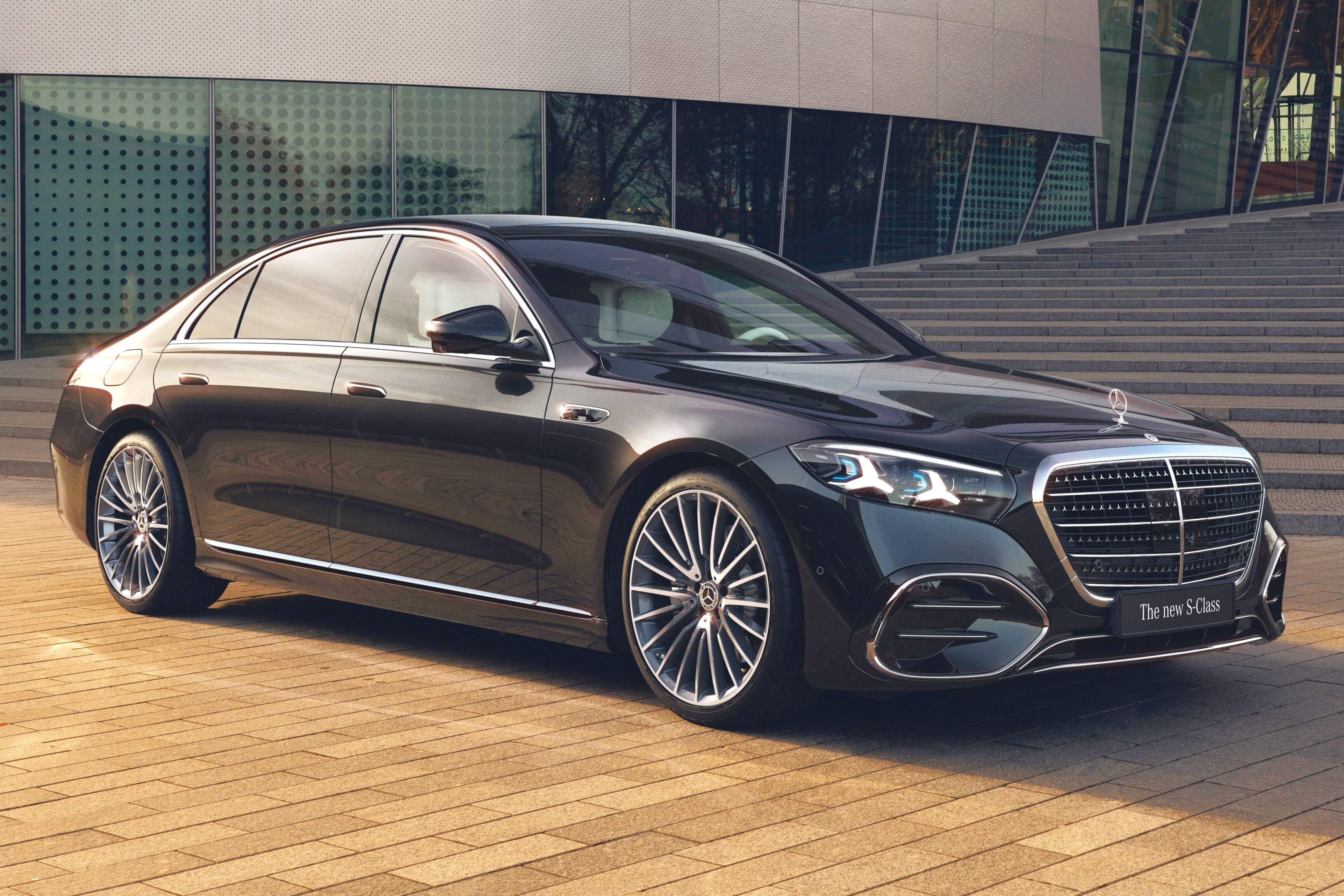
2026 Mercedes-Benz S-Class Facelift: The End of Diesel, The Dawn of PHEV in India – A Bold New Era for Luxury
The Shifting Sands of Luxury: Mercedes-Benz India's Bold Electrification Play
Farewell to the Diesel Icon: Understanding the OM 656's Departure
The Dawn of a New Era: Introducing the S 450e Plug-in Hybrid
The PHEV Performance & Practicality Conundrum
Beyond the PHEV: Other Powertrain Options for the 2026 S-Class Facelift
Pros & Cons: Navigating the New S-Class Landscape
Pros of the 2026 S-Class Facelift & PHEV Strategy
Cons of the 2026 S-Class Facelift & PHEV Strategy
Conclusion: The Future is Electrified, Even for the S-Class