Volkswagen Taigun Facelift 2026: Unpacking the Updates – Will German Engineering Conquer India's Feature Frenzy?
The Indian automotive market, particularly the mid-size SUV segment, is a crucible of innovation and intense competition. Here, brand loyalty often bows to compelling feature lists, aggressive pricing, and a constantly evolving definition of value. Into this electrifying arena, Volkswagen India is poised to introduce a refreshed contender: the Taigun facelift. Days before its highly anticipated launch on April 9th, the German marque has dropped its first teaser, igniting speculation and excitement among enthusiasts and potential buyers alike. Is this merely a cosmetic touch-up, or does Volkswagen have something more substantial brewing to challenge the established order? This isn't just about subtle exterior tweaks; whispers of a new automatic gearbox, a host of interior enhancements, and a renewed focus on consumer feedback suggest a more comprehensive overhaul. Let's delve deep into what the 2026 Taigun facelift promises and assess its potential impact on the cutthroat mid-size SUV landscape.
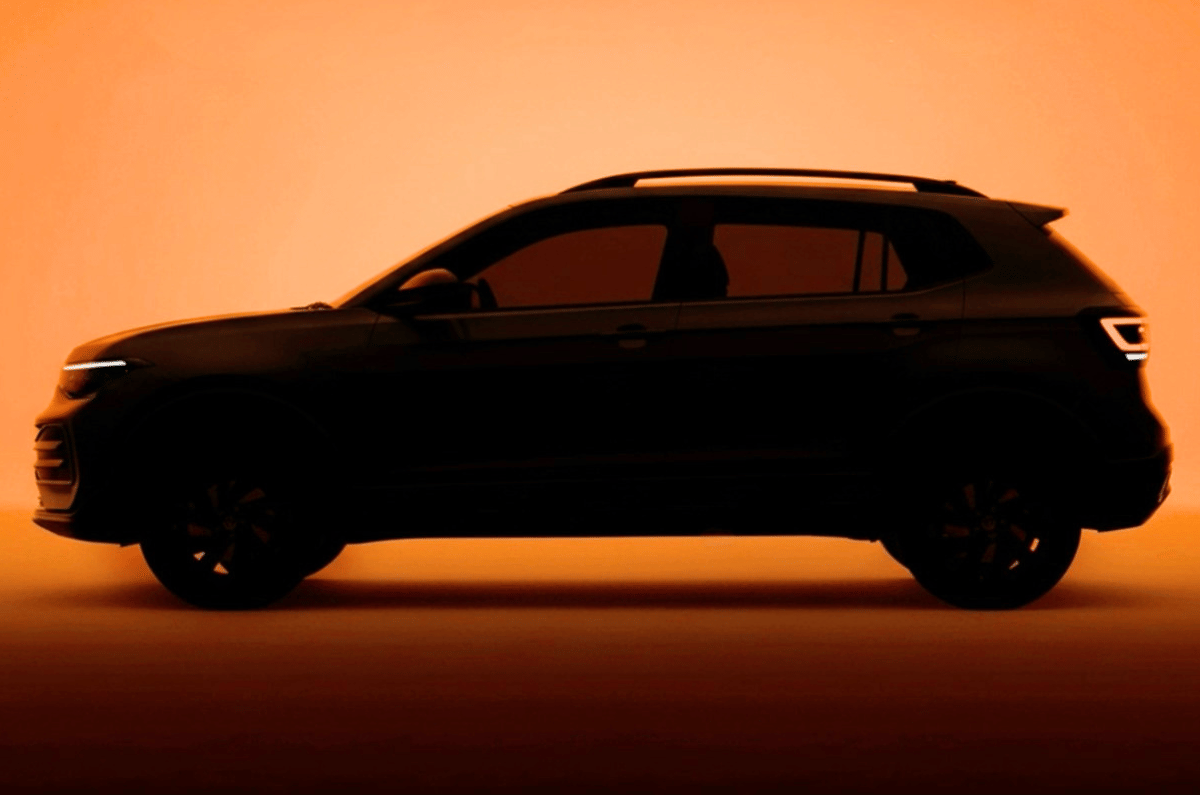
Exterior Evolution: A Sharper, More Modern Road Presence for the Taigun 2026
The tantalizing 7-second teaser, while deliberately keeping most details shrouded in mystery, offered a crucial glimpse into the refreshed Volkswagen Taigun facelift's side profile. This brief visual confirmation, alongside recent spy shots that have surfaced, provides a clear indication that Volkswagen is opting for an evolutionary yet impactful design language. The goal appears to be to inject more contemporary flair without abandoning the Taigun's inherently clean and timeless aesthetic.
- Refined Front Fascia: Expect a meticulously redesigned front bumper and a thoroughly revised grille section. The current Taigun's subtle grille might be replaced by a more assertive unit, potentially incorporating new patterns or finishes that lend it a bolder character. This move aims to give the SUV a more commanding presence, essential in a segment where first impressions are everything.
- Signature Lighting Elements: A significant upgrade comes in the form of updated LED headlights and taillamps. However, the true showstopper, as hinted by spy images, is the likely inclusion of a width-wide LED light bar seamlessly integrated across the grille, centrally highlighted by an illuminated VW roundel. This modern lighting signature is not just about aesthetics; it’s a premium touch, a trending design cue seen in higher segments, promising to give the Taigun a distinctive, high-tech identity, especially after dusk.
- Subtle Side & Rear Tweaks: While the teaser primarily focused on the side, implying subtle contour changes, revised LED taillamps with new internal graphics are expected to round off the rear. These meticulous adjustments to 'soft parts' – bumpers, lights, and grille – ensure the Taigun feels fresh and aligned with Volkswagen's global design ethos, yet distinct enough for the competitive Indian market. However, some critics might argue that given the rapid evolution of design in this segment, a more radical departure from the existing model might have been a stronger statement.
The strategy here is to enhance the Taigun's visual appeal, making it more dynamic and contemporary, without alienating its existing customer base who appreciate its understated elegance. The illuminated elements, in particular, are a nod to the growing demand for distinctive light signatures that project a premium and technologically advanced image.
Powertrain Prowess: The 8-Speed Automatic & Renewed Focus on Efficiency
Underpinning the refreshed aesthetics, the Volkswagen Taigun facelift is set to continue with its well-regarded TSI engine philosophy, known for blending spirited performance with respectable fuel efficiency. However, the headline news on the mechanical front is a significant upgrade to the automatic transmission for the entry-level turbo-petrol.
- The 1.0 TSI Gets an 8-Speed Auto: The highly popular 115hp, 1-litre turbo-petrol engine, a commendable performer in urban and highway conditions, will predictably retain its engaging 6-speed manual gearbox. However, the existing 6-speed torque converter automatic is strongly tipped to be replaced by a more advanced 8-speed automatic unit. This crucial upgrade, already implemented in its badge-engineered sibling, the Skoda Kushaq facelift, promises smoother, more refined gear shifts. The wider ratio spread of an 8-speed unit means the engine can operate more frequently within its optimal power band, translating to not just better drivability, especially in stop-and-go traffic, but also potential gains in fuel economy. This move is a strategic play to align with evolving consumer preferences for sophisticated, multi-ratio automatics that offer both comfort and efficiency.
- The Potent 1.5 TSI Continues: For those craving more exhilarating performance, the 150hp, 1.5-litre turbo-petrol engine with Active Cylinder Technology (ACT) will remain the flagship powertrain. It will continue to be paired with its precise 6-speed manual gearbox and the lightning-quick 7-speed dual-clutch automatic (DSG). Interestingly, the 6MT option for the 1.5 TSI is not currently available on the Kushaq 1.5 TSI range, providing the Taigun a unique selling proposition for driving purists.
Beyond the transmission update, Skoda’s claims of improved mileage across all Kushaq powertrains post-facelift strongly suggest that the Taigun will also benefit from similar efficiency enhancements. The current Taigun already boasts a respectable claimed fuel-efficiency bracket of 18.15kpl to 19.87kpl. Any further gains would further bolster its appeal in a market where running costs are a significant purchase consideration. While the new 8-speed automatic is a definite technical enhancement, the automotive press will be scrutinizing its real-world performance and long-term reliability, particularly in India's varied driving conditions, to ensure it lives up to the Volkswagen promise.
Interior Overhaul & Feature Revolution: Meeting India's High Expectations
While the interior of the Taigun facelift has yet to be officially revealed, the direction of its updates can be strongly inferred from recent industry trends and, crucially, from the enhancements made to its Skoda counterpart. Volkswagen understands that in India, a compelling feature set can often be the deciding factor, and they appear ready to deliver.
- Luxury and Comfort Redefined: Following the blueprint laid by the Kushaq facelift, higher-spec Taigun variants are highly likely to receive a coveted panoramic sunroof. This feature is a significant draw for Indian buyers, enhancing the cabin's airy feel and adding a touch of premium luxury. Furthermore, the potential inclusion of rear seat massaging functionality would be a game-changer, positioning the Taigun as a true comfort leader in its segment and directly challenging rivals who often prioritize driver-centric features. Even the entry-level models are expected to benefit from upgrades like a single-pane sunroof and the long-requested rear washer and wiper, addressing practicality demands.
- Cutting-Edge Infotainment & Driver Displays: Updates to the digital driver's display are expected, likely offering more customization and crisp graphics. The central infotainment system is also due for a refresh, potentially featuring a larger screen, enhanced connectivity options (including advanced wireless Apple CarPlay/Android Auto), and crucially, AI integration. This could translate to more intuitive voice commands, smarter navigation, and predictive maintenance alerts, bringing the Taigun's tech suite on par with, if not surpassing, some of its most connected competitors.
- The AC Cooling Solution: Perhaps one of the most critical updates, and a direct response to widespread customer feedback, is Volkswagen’s probable move to address the AC's cooling performance. By switching from a cheaper fixed-geometry compressor to a more efficient variable-geometry unit – a measure Skoda implemented with success – Volkswagen aims to dramatically improve cabin cooling, a paramount concern for Indian consumers, especially during peak summers. This proactive approach to a past criticism could significantly boost buyer confidence.
- Safety Reinforcement: While specific details are scarce, Volkswagen’s commitment to safety is well-established (the current Taigun boasts a 5-star Global NCAP rating). Expect the facelift to either standardize more active safety features across variants or introduce subtle structural reinforcements, maintaining its reputation as a safe choice in the segment.
These comprehensive interior and feature enhancements are vital for the Taigun to carve out a stronger position. However, Volkswagen must ensure that these new technologies are not just present but are also seamlessly integrated, intuitive to use, and reliable. The challenge lies in delivering a premium, feature-rich experience that justifies its likely premium pricing.
The Battleground: Rivals and the Price Point Challenge
The launch of the 2026 Volkswagen Taigun facelift couldn't come at a more critical juncture. The mid-size SUV segment is a constantly shifting landscape, with new contenders like the upcoming Tata Sierra and a potentially revived Renault Duster poised to enter the fray. The Taigun will face relentless competition from its established rivals:
- Hyundai Creta & Kia Seltos: These South Korean powerhouses continue to set the benchmark with their extensive feature lists, multiple powertrain options (including diesel), and aggressive styling. The Taigun must leverage its German engineering, driving dynamics, and now, an improved feature set, to carve out its unique space.
- Maruti Grand Vitara & Toyota Urban Cruiser Hyryder: These strong hybrid offerings dominate the efficiency charts, a significant draw for fuel-conscious Indian buyers. Without a hybrid or diesel option, the Taigun relies heavily on its turbo-petrol performance and premium feel.
- Skoda Kushaq: As its platform twin, the Kushaq poses a unique internal challenge. Volkswagen needs to clearly articulate the Taigun's distinct character and value proposition to prevent cannibalization and attract its own set of buyers.
- Other Emerging Threats: The market is dynamic, with new models and updates constantly emerging. Volkswagen needs to remain agile and keep its product cycle fresh to combat competition effectively.
Given the substantial upgrades across design, powertrain, and features, a price increase for the Taigun facelift is almost a certainty. The current model retails between Rs 11.42 lakh and Rs 19.19 lakh (ex-showroom). The critical challenge for Volkswagen will be to justify this higher price point. While the brand carries the weight of German engineering and robust build quality, the Indian buyer increasingly demands a compelling feature-to-price ratio. If the price hike is perceived as excessive, or if the new features don't feel genuinely value-adding, the Taigun could struggle to significantly boost its market share against rivals who often play the aggressive pricing game. The subtle differentiations from the Kushaq will also be key; buyers will be looking for a true \"Volkswagen experience\" beyond just a badge.
Volkswagen Taigun Facelift: A Quick Look at the Pros & Cons
Pros
- Modernized Aesthetics: Sharper design, new LED lighting signatures (including illuminated VW logo) for a premium look.
- Enhanced Drivability: The new 8-speed automatic gearbox promises smoother shifts and better efficiency for the 1.0 TSI.
- Luxurious Interior Features: Potential panoramic sunroof and segment-first rear massaging seats elevate comfort and luxury.
- Improved AC Performance: Addressing a crucial customer pain point with a more efficient variable-geometry compressor.
- Advanced Tech Integration: Upgraded infotainment with AI and digital driver's display for a modern cabin experience.
- Volkswagen's Core Strengths: Continues to offer robust build quality, strong safety (5-star GNCAP), and engaging driving dynamics.
Cons
- Expected Price Hike: All the new features and upgrades will undeniably lead to a higher ex-showroom price, potentially pushing it into a tougher bracket.
- Intense Market Competition: Faces fierce rivalry from feature-rich and often more affordable/mileage-focused competitors.
- No Diesel Option: The continued absence of a diesel powertrain will deter a segment of buyers who prefer its torque and fuel economy.
- Perception of Size: While well-proportioned, its exterior dimensions can sometimes be perceived as less bulky than some rivals, influencing buyer perception.
- Badge Engineering Overlap: Despite differentiations, the shared platform and many common features with the Skoda Kushaq might raise questions about distinct value for some.
The Road Ahead: Volkswagen's Strategy for Indian Domination
The Volkswagen Taigun facelift is far more than just a routine mid-cycle refresh; it's a calculated strategic maneuver by Volkswagen India to reinforce its presence and ambition in one of the world's most challenging automotive markets. By addressing critical consumer feedback, injecting cutting-edge technology, and refining its aesthetics and drivability, Volkswagen is clearly aiming to elevate the Taigun's appeal and competitiveness.
However, the ultimate success of the 2026 Taigun facelift will hinge on several factors beyond its impressive spec sheet. Volkswagen’s ability to effectively communicate the enhanced value proposition, manage the inevitable price increase judiciously, and ensure an impeccable after-sales experience will be paramount. While the original Taigun was celebrated for its robust build, engaging driving dynamics, and strong safety credentials, this facelift demonstrates a commendable willingness to adapt to market demands and rectify perceived shortcomings. As the April 9th launch date draws near, all eyes will be on Volkswagen to see if the revitalized Taigun can not only sustain its position but also expand its footprint, challenging the segment leaders and firmly establishing itself as a top contender in India’s fiercely competitive mid-size SUV segment. This isn't just an update; it's a bold statement of intent, signalling Volkswagen's unwavering commitment to the Indian automotive story. The battle for SUV supremacy is about to get even more exhilarating.
