
The Indian automotive landscape is a coliseum of fierce competition, particularly within the burgeoning mid-size SUV segment. Here, every new launch and facelift isn't just an update; it's a strategic maneuver in a high-stakes game. Volkswagen India, a brand synonymous with German engineering precision and build quality, is poised to re-enter this arena with a refreshed contender: the Taigun facelift. Days before its highly anticipated launch on April 9, the first official teaser has surfaced, offering tantalizing glimpses of what promises to be more than just a cosmetic nip-and-tuck. This mid-lifecycle update for the 2026 Taigun is expected to bolster its appeal with subtle yet impactful exterior tweaks, an updated automatic gearbox, and a suite of enhanced features, all crucial elements in its quest to capture a larger slice of the intensely competitive market. The automotive world thrives on anticipation, and Volkswagen has masterfully played this card with a succinct 7-second teaser for the updated Taigun. While deliberately shrouded in mystery, the short clip prominently showcases the vehicle's side profile, hinting at a design evolution rather than a revolution. Even with most details obscured, the keen eye can discern several noteworthy changes. A revised front bumper, intricately integrated with an updated grille section, suggests a more assertive and modern fascia. The LED headlights and tail lamps, now sharper and more dynamic, are set to redefine the Taigun's signature lighting signature. These visual cues resonate strongly with recent Taigun facelift spy shots that have been circulating, further confirming the direction of VW's design philosophy. One particularly exciting detail that emerged from earlier spy photographs, and which the teaser subtly alludes to, is the inclusion of a connecting LED light bar stretching across the grille, beautifully complemented by an illuminated VW roundel at its center. This modern design element, increasingly popular across premium segments, not only enhances the new Taigun's visual appeal but also imbues it with a distinctive nighttime signature, crucial for standing out in a crowded market. While the interior remains a tightly guarded secret, Volkswagen is expected to pull back the curtain on these details, along with other key specifications, in the lead-up to the official launch next week. While the visual refresh is important, Volkswagen understands that substance beneath the skin is equally critical. A major talking point surrounding the Taigun update is the expected introduction of a new automatic gearbox option. This move is particularly strategic, mirroring updates seen in its badge-engineered sibling, the Skoda Kushaq. Currently, the Taigun offers a 6-speed manual, a 6-speed torque converter (with the 1.0 TSI), and a 7-speed DSG (with the 1.5 TSI). Speculation suggests that the 1.0-litre TSI engine, which is a significant volume driver, might see an improved or updated torque converter unit to enhance refinement and drivability, aligning it more closely with segment benchmarks. The robust 1.5-litre TSI EVO engine, renowned for its strong performance and efficiency thanks to active cylinder technology (ACT), will likely retain its excellent 7-speed DSG, continuing to cater to enthusiasts seeking a more spirited driving experience. The interior, though unrevealed, is ripe for significant upgrades to keep pace with an aggressively evolving market. We can anticipate a larger, more responsive touchscreen infotainment system, possibly integrating wireless Apple CarPlay and Android Auto across more variants. A fully digital instrument cluster, a feature becoming almost standard in this segment, is a strong possibility, enhancing the cabin's modern appeal. Furthermore, with rivals increasingly offering advanced driver-assistance systems (ADAS), Volkswagen may introduce some form of ADAS suite, potentially including features like adaptive cruise control, lane-keeping assist, and autonomous emergency braking, even if in a more basic form initially. Comfort and convenience are also expected to receive a boost, with features like ventilated front seats, a 360-degree camera, and improved connected car technology likely making an appearance. These additions are not just about luxury; they are about necessity in a segment where buyers are increasingly discerning about technology and safety. The mid-size SUV India segment is less of a market and more of a battle royale. The 2026 Taigun will face an onslaught from established titans and ambitious newcomers alike. The reigning champions, the Hyundai Creta and Kia Seltos, continue to set benchmarks with their extensive feature lists, bold designs, and diverse powertrain options. Their market dominance is formidable, built on years of strong brand perception and wide service networks. Then there are the robust hybrid alternatives: the Toyota Urban Cruiser Hyryder and Maruti Grand Vitara, which offer exceptional fuel efficiency, appealing to a different, yet significant, customer base. Adding to this cauldron are exciting new entrants like the Tata Sierra, promising a blend of retro charm and modern electric propulsion (in its likely production form), and the much-anticipated return of the Renault Duster, known for its rugged capabilities. For the Taigun facelift to truly make an impact, it needs to not only match these rivals but offer a compelling unique selling proposition. This is where Volkswagen faces its biggest challenge. While its German engineering, solid build quality, and engaging driving dynamics are undeniable strengths, the brand has historically struggled with a perception of premium pricing for features that rivals offer more affordably. Furthermore, the reach and density of its service network, while improving, still lag behind Maruti Suzuki and Hyundai, which can be a point of concern for potential buyers in Tier 2 and Tier 3 cities. The Taigun update needs to address these perceptions head-on. Merely adding features for feature-sake might not be enough if the pricing strategy isn't aggressive, or if the overall value proposition isn't clearly communicated. The current market also demands a robust digital experience and a strong online presence, areas where some competitors have innovated faster. Volkswagen’s emphasis on driving pleasure and safety, while admirable, sometimes takes a backseat in consumer minds to flashier screens and an abundance of chrome. This facelift is a golden opportunity for VW to reset expectations, perhaps even by introducing a more competitive entry-level variant or an aggressive finance scheme, to draw in a wider demographic who might typically lean towards a Creta or Seltos. As with any significant model update, the Volkswagen Taigun facelift presents a mixed bag of strengths and potential weaknesses. A balanced view is essential for prospective buyers and industry observers alike. The Volkswagen Taigun facelift 2026 is more than just a product update; it's a pivotal moment in Volkswagen's \"India 2.0\" strategy. The Taigun, alongside its Skoda Kushaq twin, was designed specifically for the Indian market, reflecting a deep understanding of local preferences. Its success is crucial for establishing Volkswagen India as a significant player beyond its traditional niche. This refresh aims to reignite consumer interest, reaffirming VW's commitment to the market and its potential for growth. By integrating popular features, refining driving dynamics, and sharpening its aesthetic appeal, Volkswagen hopes to carve out a larger, more sustainable presence. The challenge for Volkswagen will be in the execution – not just of the product itself, but in its marketing, pricing, and after-sales support. In a market that thrives on innovation and aggressive value propositions, merely being \"German engineered\" is no longer a guaranteed path to success. The new Taigun needs to demonstrate an understanding of the Indian consumer's evolving demands, balancing its core strengths with the features and affordability that define success in this segment. Its launch on April 9 will not just be a debut; it will be a test of Volkswagen's adaptability and its long-term vision for India. The impending launch of the Volkswagen Taigun facelift 2026 marks an exciting chapter for the German automaker in India. With subtle yet significant exterior design changes, a promising new automatic gearbox option, and an expected array of feature enhancements, the updated Taigun is poised to strengthen its position in the fiercely contested mid-size SUV segment. While the competition from established players like the Hyundai Creta and Kia Seltos, and new challengers such as the Tata Sierra and Renault Duster, remains formidable, Volkswagen's commitment to quality, safety, and driving pleasure offers a distinct advantage. The success of the 2026 Taigun will ultimately hinge on its ability to strike a delicate balance between premium appeal and accessible value, capturing the hearts and wallets of Indian consumers who demand nothing less than excellence. As the official launch draws near, all eyes will be on Volkswagen to see if this strategic refresh can truly elevate the Taigun to a dominant force on India's dynamic automotive stage.Volkswagen Taigun Facelift 2026: A Strategic Refresh to Dominate India's Mid-Size SUV Battleground?
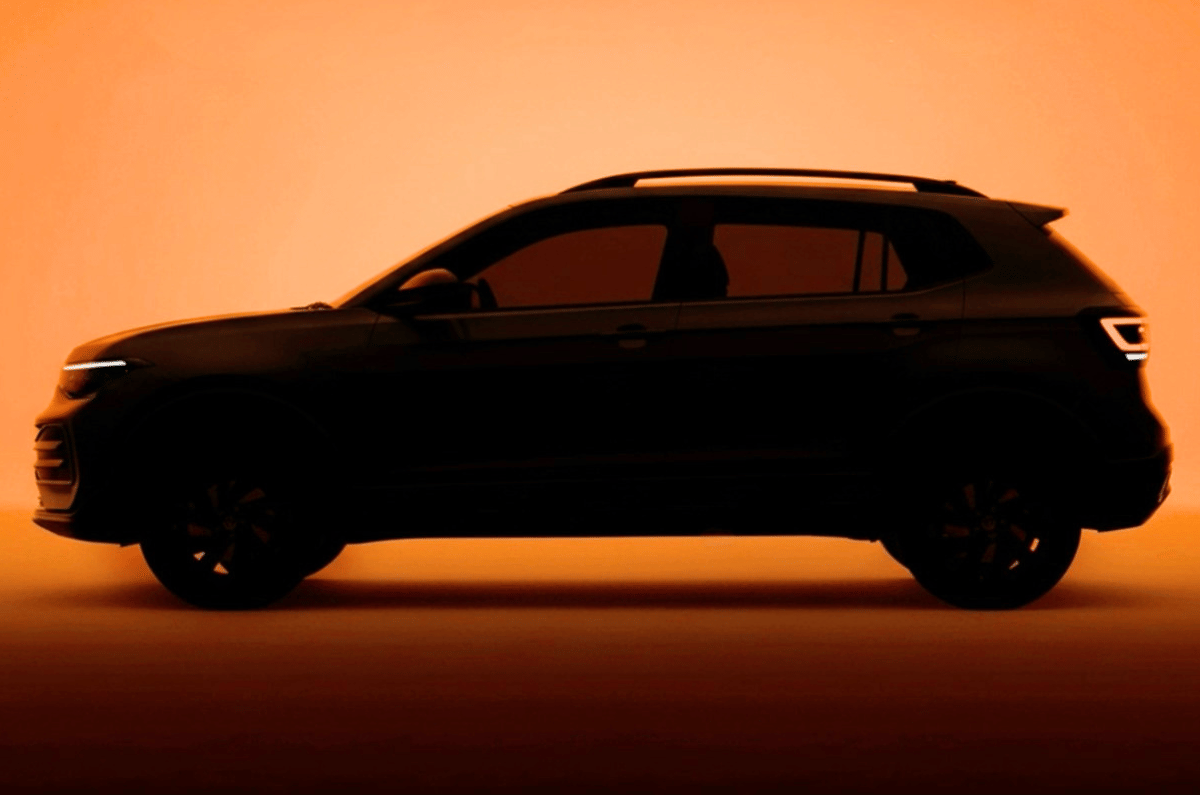
The Teaser Unveiled: Decoding Volkswagen's Strategic Glimpse into the 2026 Taigun
Beyond Aesthetics: Anticipated Powertrain & Feature Enhancements for the 2026 Taigun
Navigating a Shark Tank: The Taigun's Competitive Landscape
Pros and Cons: A Balanced Perspective on the Taigun Facelift
Driving Forward: What the 2026 Taigun Means for Volkswagen India
Conclusion: The Road Ahead for the Refreshed Taigun