
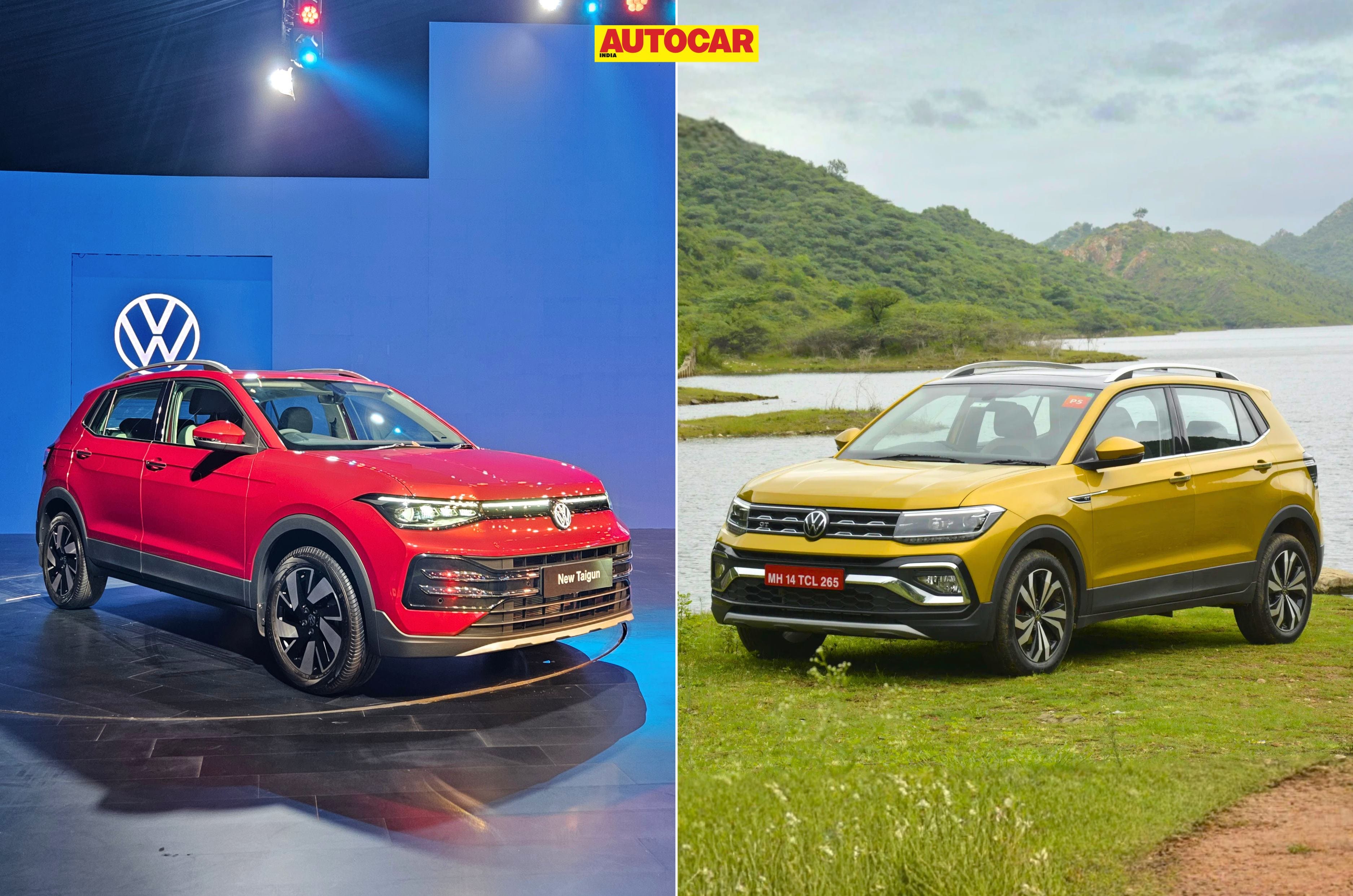
The Indian automotive landscape for mid-size SUVs is a battleground, intensely competitive and constantly evolving. Amidst this vibrant market, Volkswagen has once again seized the spotlight, unveiling the highly anticipated facelift for its popular Taigun. Positioned as a refresh for the 2026 model year, this update promises to inject new life into VW's bestselling SUV, aiming to fortify its standing against a formidable array of rivals. But what exactly has changed, and does this evolution offer enough to keep the Taigun a compelling choice for discerning buyers? Join us as we meticulously dissect the nuances of the new Volkswagen Taigun, comparing it to its predecessor and scrutinizing every upgrade and omission. The distinctive styling of the updated Volkswagen Taigun, showcasing subtle yet impactful visual enhancements that define its evolution. The Taigun facelift isn't just a minor nip and tuck; it’s a strategic refinement, meticulously crafted to respond to market demands and bolster its appeal. With tweaks spanning its powertrain, exterior aesthetics, and interior amenities, Volkswagen aims to cement its reputation for robust engineering and premium experiences. Facing off against established titans like the Hyundai Creta, Kia Seltos, Maruti Grand Vitara, and Toyota Hyryder, alongside newer contenders such as the Honda Elevate, MG Astor, and upcoming models like the Renault Duster and Tata Sierra, the refreshed Taigun needs to shine brightly. Prices are slated for an imminent announcement, but for now, let’s delve into the evolutionary journey of the 2026 Volkswagen Taigun. At the heart of any Volkswagen lies a meticulously engineered powertrain, and the 2026 Taigun continues this tradition with its proven engine options. Enthusiasts will be pleased to know that the dynamic duo of the 115hp 1.0-liter turbo-petrol (1.0 TSI) and the more potent 150hp 1.5-liter turbo-petrol (1.5 TSI) engines remain, retaining their renowned performance characteristics. However, the significant talking point here is the transmission overhaul for the 1.0 TSI variant. The venerable 6-speed torque converter automatic, a dependable workhorse, has been supplanted by a sophisticated new 8-speed automatic transmission. This is not merely an incremental upgrade; it represents a substantial stride forward in terms of drivability and efficiency. Volkswagen claims an impressive fuel efficiency improvement of up to 5.8 percent with this new gearbox. A higher number of ratios typically allows the engine to operate more frequently in its optimal power band, leading to smoother acceleration, better highway cruising manners, and, critically, enhanced fuel economy. For buyers prioritizing urban commute comfort and overall running costs, this 8-speed AT is a significant win. Conversely, the enthusiast-favorite 1.5 TSI continues its partnership with the slick 7-speed dual-clutch automatic (DSG) gearbox. This combination has been lauded for its lightning-fast shifts and engaging driving experience, perfectly complementing the robust power delivery of the 1.5-liter engine. While the claimed mileage for the 1.5 TSI with DSG sees a marginal dip from 19.01 kpl to 18.85 kpl, this is a minor trade-off for the superior performance and responsiveness it offers. The focus here remains on the spirited driving dynamics that VW's 1.5 TSI + DSG combination is famous for.
The revised powertrain lineup, particularly the 8-speed AT for the 1.0 TSI, positions the Taigun to appeal to a broader audience, balancing efficiency with the signature Volkswagen driving feel. Below is a detailed comparison of the claimed mileage figures: Volkswagen’s design philosophy often leans towards evolutionary rather than revolutionary changes, and the Taigun facelift is a quintessential example. The exterior updates are subtle yet strategic, aimed at modernizing its aesthetic while preserving the distinctive Taigun identity. Upfront, the headlights and bumper have received thoughtful tweaks. Interestingly, a notable omission is the traditional fog lamps, streamlined in favor of a cleaner, more integrated design. This might be a point of contention for some buyers who value the functionality or aesthetic of dedicated fog lamps. A truly fresh touch comes in the form of a slim light bar, which elegantly connects the headlights, complemented by an illuminated VW roundel. This design element, reminiscent of Volkswagen’s global SUV lineup like the Tayron R-Line, imbues the Taigun with a contemporary and upscale feel, particularly noticeable in low-light conditions. It’s a bold statement that adds significant visual appeal and enhances the SUV’s road presence. From the side profile, changes are minimal, which is typical for a mid-cycle refresh. The most discernible updates include newly designed 16- and 17-inch alloy wheel options, providing a fresh stance. A subtle yet significant repositioning of the GT badge – now adorning the front doors instead of the fenders – adds a touch of sophistication. Furthermore, exclusive to the 1.5 TSI range are rear disc brakes paired with distinctive red brake calipers, signaling its sportier intent and offering improved braking performance. The rear fascia echoes the front’s modern theme. New tail-lights, featuring dynamic sequential turn indicators, are a welcome premium addition that elevates the Taigun’s visual signature. A mildly tweaked bumper and, mirroring the front, a light bar with an illuminated VW logo bridging the LED tail-lamps, complete the contemporary look. These changes cumulatively give the Taigun a more cohesive and sophisticated appearance. In terms of personalization, Volkswagen has enriched the Taigun’s palette with two new exterior colour options: the refreshing Avocado Pearl and the sophisticated Steel Grey. These new shades complement the existing vibrant offerings, which include Wild Cherry Red, Candy White, Deep Pearl Black, Lava Blue, Reflex Silver, Carbon Steel, and Carbon Steel Matte. This expanded choice allows buyers to tailor their Taigun to better reflect their style. Stepping inside the 2026 Taigun, one finds a cabin that largely retains its familiar and ergonomic dashboard layout but benefits from a host of thoughtful upgrades. Volkswagen has introduced updated trims and new two-tone colour options, which, combined with up to six upholstery choices depending on the variant, allow for a greater degree of customization and a refreshed aesthetic. These interior refinements are aimed at enhancing the premium feel and contemporary appeal of the cabin. Technology takes a front seat with a larger 10.25-inch digital driver's display. This fully digital cockpit now boasts turn-by-turn navigation, offering drivers crucial information directly in their line of sight, reducing distractions. Complementing this is an updated 10.1-inch infotainment system, featuring improved graphics and slicker, more intuitive software. The system now supports advanced AI-based features, promising real-time information, more sophisticated voice command controls, and hands-free functionalities. These enhancements significantly elevate the user experience, making the cabin more connected and user-friendly. Volkswagen also asserts that the AC performance has been notably improved with this comprehensive update, a crucial detail for comfort in varied climates. A major crowd-pleaser for the Indian market comes in the form of sunroof options: higher variants now offer a panoramic sunroof, while lower trims feature a single-pane unit. The panoramic sunroof, in particular, dramatically enhances the sense of space and airiness within the cabin, a highly sought-after feature in this segment. However, a point of slight criticism or missed opportunity emerges here: the new Taigun notably misses out on rear-seat massaging, a comfort feature offered on its badge-engineered sibling, the Skoda Kushaq. While not a deal-breaker for everyone, this absence might be seen as a minor oversight for a premium offering targeting family buyers. Other practical and desirable features such as powered and ventilated front seats, Apple CarPlay and Android Auto smartphone connectivity, wireless charging, ambient lighting, and rear AC vents continue to be on offer, ensuring a comprehensive feature set. Safety remains a non-negotiable cornerstone of Volkswagen’s brand identity, and the 2026 Taigun continues to impress in this critical area. Front parking sensors are now standard across all variants, save for the base model, enhancing maneuverability and preventing minor scrapes. Features like the rear windshield washer-wiper and defogger continue to be standard, underscoring VW's commitment to all-weather visibility and convenience. As highlighted earlier, the 1.5 TSI range now benefits from disc brakes on all four wheels, further boosting its active safety credentials. The facelifted Taigun proudly carries forward its predecessor’s stellar 5-star safety performance at the Global NCAP crash tests, a testament to its robust MQB A0-IN platform and comprehensive passive safety measures. Standard safety features include 6 airbags, Electronic Stability Control (ESC), and ABS with EBD, offering a high level of protection. However, a glaring omission, especially considering the rapid adoption of such technologies by competitors, is the absence of an ADAS (Advanced Driver-Assistance Systems) suite. While the 5-star GNCAP rating provides excellent passive safety, the lack of ADAS might be perceived as a competitive disadvantage for a 2026 model, particularly against newer rivals that are increasingly offering these advanced features. Volkswagen further enhances the ownership experience with its \"4ever Care\" program. This comprehensive package includes a four-year roadside assistance and standard warranty, alongside three complimentary services. Such initiatives underscore Volkswagen's confidence in its product and aim to provide owners with long-term peace of mind, mitigating concerns about after-sales support and maintenance costs. To provide a balanced perspective, let’s summarize the key strengths and potential drawbacks of the refreshed Taigun: The mid-size SUV segment in India is a veritable coliseum, with combatants vying fiercely for market share. The 2026 Volkswagen Taigun enters this arena with a refined strategy, focusing on its core strengths: robust build quality, engaging driving dynamics, and a strong safety proposition. Its new 8-speed AT for the 1.0 TSI is a direct response to consumer demand for smoother, more efficient automatics, which is prevalent in this category. Against the feature-rich Hyundai Creta and Kia Seltos, which often lead with extensive creature comforts and bold styling, the Taigun counters with its European driving DNA and segment-leading safety. While it may not offer every gadget or the most audacious design, its understated elegance and solid engineering hold immense appeal for a particular segment of buyers. The Maruti Grand Vitara and Toyota Hyryder, with their hybrid offerings, carve out a niche for efficiency, but the Taigun's turbo-petrol engines offer a distinct performance edge. The Honda Elevate, a newer entrant, emphasizes practicality and Honda's reliability, making it a strong contender, but again, the Taigun's turbocharged powerplants deliver a more engaging drive. The lack of ADAS, while a potential negative talking point, doesn't diminish the Taigun's fundamental safety strengths. Volkswagen has strategically focused on refining what it does best: delivering a robust, safe, and enjoyable driving experience. The \"4ever Care\" program also adds significant value, directly addressing concerns about long-term ownership costs and reliability in a market where after-sales service can heavily influence buying decisions. The 2026 Taigun is clearly aiming for buyers who appreciate German engineering, a spirited drive, and proven safety, rather than chasing every conceivable feature in the segment. The 2026 Volkswagen Taigun facelift represents a thoughtful evolution rather than a drastic revolution. Volkswagen has listened to feedback, particularly concerning efficiency and modern amenities, leading to strategic enhancements that bolster the Taigun's position in the fiercely competitive mid-size SUV segment. The introduction of the 8-speed automatic for the 1.0 TSI, coupled with the sleek new exterior lighting elements and an upgraded, smarter cabin, makes the Taigun a more compelling proposition than ever before. While certain omissions, like the lack of ADAS or rear-seat massaging, might draw a critical eye from some, they do not detract from the Taigun's core strengths: its uncompromised 5-star safety rating, the engaging driving dynamics courtesy of its potent TSI engines, and the premium build quality synonymous with Volkswagen. The Taigun remains a vehicle that excels in delivering a sophisticated, safe, and enjoyable driving experience, appealing to those who prioritize substance and European engineering finesse. As prices are awaited, the 2026 Volkswagen Taigun stands ready to continue its journey as a strong and refined contender, offering a distinctly European flavor in a segment increasingly dominated by diverse offerings. It's a testament to Volkswagen's commitment to continuous improvement, ensuring that the Taigun remains not just relevant, but a desirable choice for the discerning Indian SUV buyer.2026 Volkswagen Taigun Facelift: A Deep Dive into What's New and What Stays the Same
Powertrain Perfection: A New Gear in the Taigun's Arsenal
Volkswagen Taigun Claimed Mileage Comparison (in kpl)
Engine and Gearbox
Pre-facelift
Facelift
1.0 TSI 6MT
18.1
19.98
1.0 TSI AT
18.46 (6-speed)
19.54 (8-speed)
1.5 TSI 7DSG
19.01
18.85
Exterior Evolution: Refined Presence, Familiar Silhouette
Interior Refinement & Feature Enhancements: A Smarter Cabin Experience
Safety and Peace of Mind: A Fortified Fortress
Pros & Cons of the 2026 Volkswagen Taigun Facelift
Pros:
Cons:
The Taigun's Position in a Crowded Arena
Conclusion: A Refined Contender for the Road Ahead