
In a move that sends ripples throughout the global automotive industry, Tesla, the pioneering electric vehicle giant, has officially ceased custom orders for its flagship luxury sedan, the Model S, and its distinctive SUV, the Model X. These two vehicles, long synonymous with Tesla's early triumphs and audacious technological leaps, are stepping aside to make way for a future Elon Musk envisions—one dominated by humanoid robots and fully autonomous transportation. Is this a shrewd strategic pivot or a risky departure from the company's core automotive excellence? Let's delve into the implications of this monumental decision.
The news, confirmed by CEO Elon Musk himself via a tweet stating, \"Custom orders of the Tesla Model S & X have come to an end. All that's left are some in inventory,\" follows a January earnings call where Musk outlined plans to halt production at Tesla's Fremont plant. The rationale? To reallocate resources towards large-scale manufacturing of the Optimus humanoid robots, targeting an ambitious annual output of one million units. This strategic shift marks a pivotal moment for Tesla, signaling a clear move beyond merely being an automotive manufacturer to a broader technology and AI company.
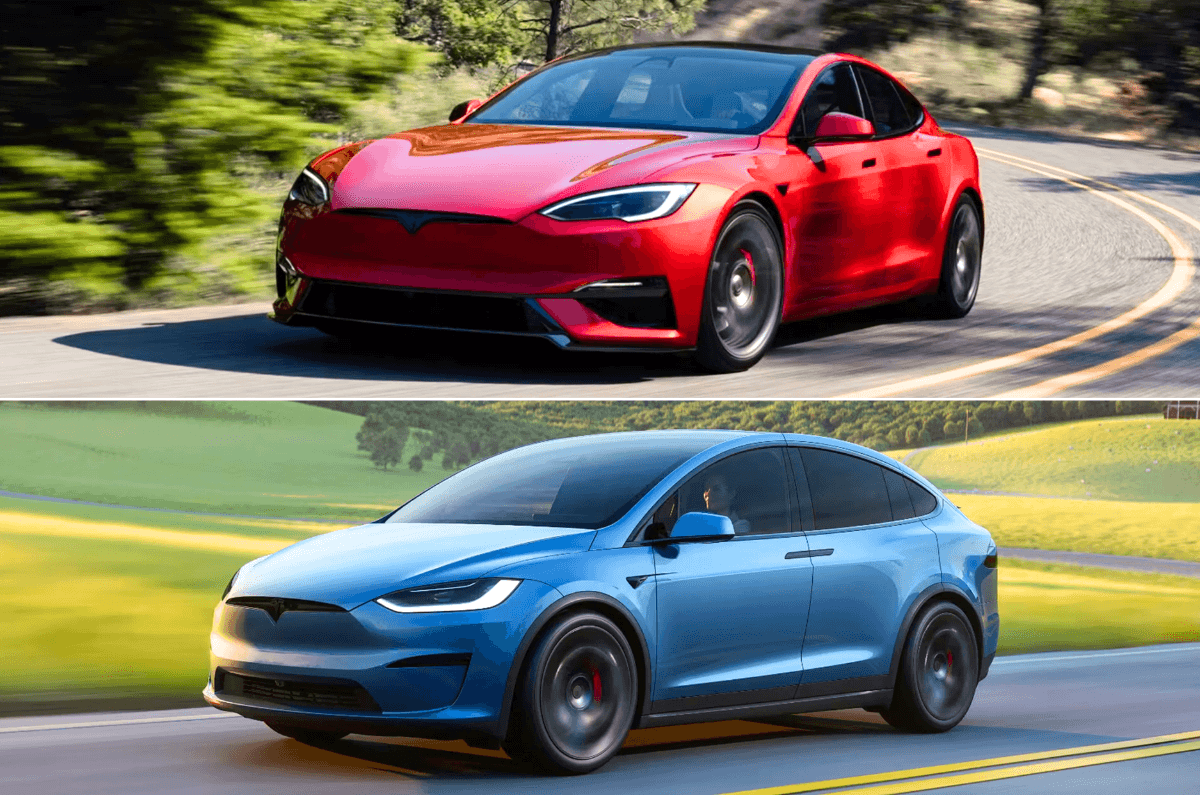
For many, the Model S and Model X represent more than just cars; they are symbols of the electric revolution. The Model S, introduced to the US market in 2012, was Tesla's second production model after the limited-run Roadster. It shattered perceptions of what an electric car could be, combining exhilarating performance (especially in its ludicrous and plaid versions, boasting up to 1,020hp), long-range capability, and a sleek, minimalist design. Its impact was profound, proving that EVs could be desirable, luxurious, and practical alternatives to internal combustion engine vehicles. Though it never officially made it to India, its global influence was undeniable.
Following in 2015, the Model X broke new ground as Tesla's first all-electric, seven-seat SUV. Its distinctive \"falcon wing\" rear doors, equipped with ultrasonic sensors to prevent collisions in tight spaces, became an instant conversation starter and a testament to Tesla's innovative design philosophy. The panoramic windscreen offered an unparalleled sense of openness, further cementing its status as a vehicle ahead of its time. Both models received significant updates as recently as 2025, bringing improvements in range, minor design refinements, enhanced ride comfort, and additional features, demonstrating a continuous commitment to their evolution, until now.
In a reflective email sent to existing owners, Tesla underscored the enduring legacy of these vehicles: \"Model S and Model X marked the beginning of the world's transition to electric transportation. [They] also made it possible for Tesla to develop the technology that would move our world toward autonomy. As we make way for this autonomous future, [their] production will be ending.\" This message served as both a tribute and a final call to action for prospective buyers to secure one of the remaining units from limited inventory.
While the Model S and X paved the way, their sales figures have reportedly been in a sharp decline. A Forbes report highlighted this trend, noting that Model S sales in the US plummeted by 52.6 percent in the fourth quarter of 2025, from 12,426 units in 2024 to 5,889 units. The Model X experienced a similar fate, with sales sinking 34.2 percent from 19,855 units in 2024 to 13,066 units in 2025. This downturn wasn't unexpected for industry analysts, who pointed to several contributing factors:
The dominance of the Model 3 and Model Y highlights Tesla's pivot from a niche luxury EV manufacturer to a volume player. These models leverage streamlined production processes, shared components, and a more focused manufacturing approach, allowing Tesla to achieve unprecedented scale in the EV sector. This strategy, while highly successful in terms of unit sales, inherently shifts the spotlight away from the premium, higher-margin vehicles that once defined the brand.
Tesla's decision isn't merely about discontinuing old models; it's about a radical commitment to a future vision. The resources freed up from Model S and X production are earmarked for the Optimus humanoid robot project. Elon Musk's long-standing belief in artificial intelligence and robotics as the next frontier for Tesla is now taking tangible form. The idea is that Optimus robots could eventually perform repetitive or dangerous tasks, both in factories and potentially in households, addressing labor shortages and boosting productivity on a global scale. However, this is a highly ambitious endeavor, and the path to achieving one million units annually, let alone market viability, is fraught with engineering and logistical challenges. Critics might argue that diverting significant capital and talent from proven automotive success to an unproven, long-term robotics project is a high-stakes gamble.
Beyond Optimus, Tesla is also gearing up for the debut of two other highly anticipated, albeit vastly different, vehicles. The two-seat Cybercab, a fully autonomous robotaxi, represents Tesla's vision for future urban mobility, potentially revolutionizing ride-sharing and public transport. Then there's the second-generation Roadster, a hypercar promising blistering performance figures that push the boundaries of electric propulsion. While these projects embody Tesla's innovative spirit, their exact timelines remain nebulous, and market acceptance for such radical shifts in personal transportation is yet to be fully tested.
In India, the Model Y currently stands as the sole Tesla offering, signaling the brand's strategy of leading with its volume-selling models in emerging markets. Priced at Rs 58.89 lakh (ex-showroom) for the standard rear-wheel-drive version and Rs 67.89 lakh for the long-range model, it aims to capture the premium EV SUV segment. The discontinuation of the Model S and X globally means these iconic vehicles will likely never officially grace Indian roads, leaving a void for those who admired their pioneering spirit.
This strategic move by Tesla, while driven by a forward-looking vision, presents both compelling advantages and significant risks.
The discontinuation of the Tesla Model S and Model X marks a definitive end to an era for electric vehicles. These cars weren't just products; they were pioneers that dragged the automotive world into the electric age, proving that performance, luxury, and environmental consciousness could coexist. Their legacy is etched into the annals of automotive history, inspiring a generation of engineers and consumers alike.
Now, Elon Musk is steering Tesla towards a future where cars are merely one facet of a grander, autonomous, and robotic ecosystem. This bold pivot, while undeniably innovative and true to Tesla's disruptive DNA, isn't without its critics or potential pitfalls. For some, the decision might feel premature, abandoning proven successes for futuristic concepts that are still years away from mass realization. It raises questions about whether Tesla risks diluting its core automotive brand by venturing too widely into unproven territories.
Yet, for a company built on defying expectations, this move could be another stroke of genius. By shedding its older, lower-volume luxury models, Tesla is optimizing its manufacturing footprint and sharpening its focus on the projects it believes will define the next century. Whether this shift paves the way for a truly autonomous and robot-driven future or proves to be a misstep that opens doors for hungry competitors remains to be seen. One thing is certain: the automotive world will be watching closely as Tesla embarks on this audacious new chapter, forever changing the landscape it once so spectacularly electrified. The future of mobility, and perhaps humanity, according to Tesla, is no longer just about driving.
The End of an Era: Tesla Bids Farewell to Model S and Model X – A Bold Leap Towards an Autonomous Future or a Risky Gamble?
The Sun Sets on Tesla's Flagship EVs: A Legacy Remembered
The Shifting Sands of Tesla's Market Dominance: Why the Flagships Fell
The Robot Future: Optimus, Cybercab, and the New Roadster
Pros and Cons of Tesla's Bold Strategic Pivot
Pros:
Cons:
Conclusion: A New Chapter for Tesla, But at What Cost?