
The global electric vehicle landscape is a dynamic arena, fiercely contested by titans vying for supremacy. Just when many analysts had begun to write new narratives, focusing on the ascendance of challengers, the undisputed champion has reminded the world of its enduring prowess. In a dramatic turn of events, Tesla has once again seized the title of the world's top-selling electric vehicle manufacturer in the first quarter of 2026, outmaneuvering its formidable Chinese rival, BYD. This isn't just a quarterly statistic; it's a powerful statement about market resilience, strategic shifts, and the relentless innovation driving the future of sustainable mobility. But what exactly propelled Tesla back to the summit, and what does this recent reversal of fortunes signify for the intense competition between these two automotive giants? As depicted in the accompanying visual, the first quarter of 2026 saw a decisive shift in the global EV sales hierarchy. The numbers from the first quarter of 2026 paint a clear picture of Tesla's impressive recovery. From January through March, the American EV pioneer successfully delivered 358,023 electric vehicles globally. In stark contrast, China's BYD, despite its aggressive expansion, registered 310,389 units during the same period. This translates to a substantial lead of over 47,000 cars for Tesla, a significant margin that underscores its current market momentum. Digging deeper into the performance metrics reveals more about this turnaround. Tesla's Q1 2026 sales volume marked a respectable 6.3 percent increase compared to the same quarter last year. While not a monumental leap, this growth is crucial, especially when juxtaposed with BYD's experience. The Chinese manufacturer saw an over 25 percent decline in its EV sales during the first three months of 2026, a significant downturn that allowed Tesla to retake the lead it had surrendered just months prior. A key factor in Tesla's consistent performance remains its strategic reliance on its most accessible and popular models. The entry-level duo of the Model 3 sedan and Model Y SUV continues to be the bedrock of its sales, collectively accounting for an astonishing 95 percent of Tesla's total deliveries in Q1 2026. This focus highlights a successful strategy of concentrating resources on high-volume products that resonate with a broad consumer base, even as the market demands more diversity. It's important to frame these quarterly results within the broader annual context. The year 2025 had been a landmark year for BYD, as it successfully dethroned Tesla to become the world's largest EV maker by total annual sales. BYD reported an impressive 2,256,714 units sold in 2025, substantially outpacing Tesla's 1,636,129 units. This represented a staggering lead of over 620,000 vehicles for the Chinese automaker. During that period, BYD's sales volumes had surged by nearly 28 percent year-on-year, while Tesla experienced an approximate 9 percent decline. This historical context makes Tesla's Q1 2026 rebound even more significant, signaling a renewed vigor and adaptability in the face of intense global competition. The recent sales figures are not merely statistical points; they are indicators of broader strategic maneuvers and market forces at play. Both Tesla and BYD employ distinct business models and market approaches that contribute to their fluctuating fortunes. Tesla's strategy has historically revolved around innovation, brand prestige, and a vertically integrated ecosystem. Its Supercharger network remains a significant competitive advantage, offering reliability and convenience that many competitors struggle to match. Furthermore, Tesla's software prowess, highlighted by its Full Self-Driving (FSD) advancements and over-the-air updates, provides a unique value proposition, enabling continuous improvement and new features post-purchase. However, this focus on high-tech innovation also comes with challenges. The complexity of its FSD rollout and occasional quality control issues in its rapidly scaling production have sometimes drawn public scrutiny. Moreover, its relatively concentrated product lineup, heavily reliant on the Model 3 and Model Y, exposes it to market shifts if consumer preferences diversify dramatically or if new, compelling alternatives emerge in those segments. BYD's rise has been fueled by a different yet equally potent strategy: comprehensive vertical integration. Unlike many automakers, BYD designs and produces its own batteries (including its much-lauded Blade Battery), semiconductors, and electric powertrains. This allows for superior cost control, reduced supply chain dependency, and rapid product development. BYD also boasts an incredibly diverse product portfolio, ranging from affordable compact EVs to premium sedans and SUVs, alongside a significant presence in plug-in hybrid electric vehicles (PHEVs) and even electric buses and trucks. This multi-pronged approach allows BYD to capture various market segments, particularly in China, where consumer demand for both pure EVs and hybrids remains strong. The dramatic decline in BYD's Q1 2026 sales can be significantly attributed to shifts in its home market, China. As per a South China Morning Post report, the Chinese government has implemented several policy changes that have directly impacted EV sales. New EV trade-in subsidies, effective January 1, now cap support at 20,000 yuan (approximately Rs 2.7 lakh), a stark contrast to previous policies where buyers received this amount regardless of the car's price. Simultaneously, the country has begun phasing out its EV sales tax break, reducing the exemption from 10 percent to 5 percent. These subsidy rollbacks, combined with an already hyper-competitive and cut-throat \"price war\" environment in China, have put immense pressure on manufacturers like BYD who have historically benefited from strong governmental support and are often perceived as offering high value for money. To truly understand the nuances of this battle for EV dominance, it's essential to examine the inherent strengths and weaknesses of both Tesla and BYD. The Q1 2026 results are a snapshot, not the full feature film. The EV market is notoriously volatile, and the competition between Tesla and BYD, along with emerging players, is far from over. Tesla's future hinges on its ability to diversify its product line and maintain its technological edge. The company recently discontinued production of its longer-running, higher-end Model S and Model X, a strategic move to streamline production and potentially pave the way for new innovations. Looking ahead, Tesla has tantalizing prospects on its horizon. The much-anticipated two-seat Cybercab robotaxi promises to redefine urban mobility and potentially unlock entirely new revenue streams through autonomous ride-hailing services. Furthermore, the second-generation Roadster, designed to push the boundaries of electric performance, aims to recapture the enthusiast market and burnish Tesla's image as an innovator. While exact timelines for these launches remain fluid, their eventual introduction could provide significant boosts to Tesla's market share and perception, especially in high-margin segments. However, the consistent delays in FSD deployment and the ambitious promises surrounding these new vehicles also present a risk of consumer fatigue or skepticism if execution falters. For BYD, the challenge will be to adapt to the evolving market dynamics, particularly the changing subsidy landscape in China and the increasing need for global brand building. While its domestic market dominance remains formidable, continued international expansion will require overcoming brand recognition hurdles and establishing robust charging and service infrastructures in new territories. BYD's strength in battery technology, exemplified by its Blade Battery, gives it a unique selling proposition that it must leverage effectively on the global stage. Its hybrid sales, while excluded from pure BEV comparisons, also remain a critical component of its overall \"New Energy Vehicle\" strategy, serving as a bridge for consumers transitioning away from traditional ICE vehicles. The broader EV market is also facing headwinds. Economic uncertainties, rising interest rates, and the initial sticker shock associated with EVs for many mainstream consumers are slowing adoption rates in certain regions. The \"negative view PR\" isn't just about individual companies; it's about the entire industry maturing. Critics point to the environmental impact of battery production, range anxiety, and the inadequacy of charging infrastructure in many areas as significant barriers. Both Tesla and BYD, as industry leaders, bear the responsibility of addressing these concerns and demonstrating the long-term sustainability and practicality of electric mobility to a sometimes skeptical public. The narrative isn't just about who sells the most cars, but who can sustainably innovate and build trust in a rapidly evolving sector. Tesla's recapture of the global EV sales crown in Q1 2026 is a compelling reminder of its formidable position in the automotive world. It demonstrates the American automaker's ability to navigate market fluctuations and leverage its strong brand and popular models. However, this is not a definitive victory, but rather a significant skirmish in a much longer war. BYD's 2025 triumph and its deep integration into the world's largest EV market ensure it remains a potent force, capable of swift recovery. The factors influencing this quarterly shift – from geopolitical considerations to consumer preferences and crucial government policy changes in markets like China – highlight the complex, interconnected nature of the modern automotive industry. As both companies continue to innovate and expand, the electric vehicle landscape promises to remain a theater of intense competition and technological marvels. Consumers stand to benefit from this rivalry, as it drives down costs, enhances features, and accelerates the transition to a greener future. The battle between Tesla and BYD is more than just about sales numbers; it's about shaping the very trajectory of sustainable transport for decades to come, ensuring that the race for EV supremacy remains one of the most exciting narratives in the global automotive industry. The road ahead is long, and the electric journey is just beginning.Tesla Reclaims Global EV Crown: Decoding the Battle Royale with BYD in Q1 2026
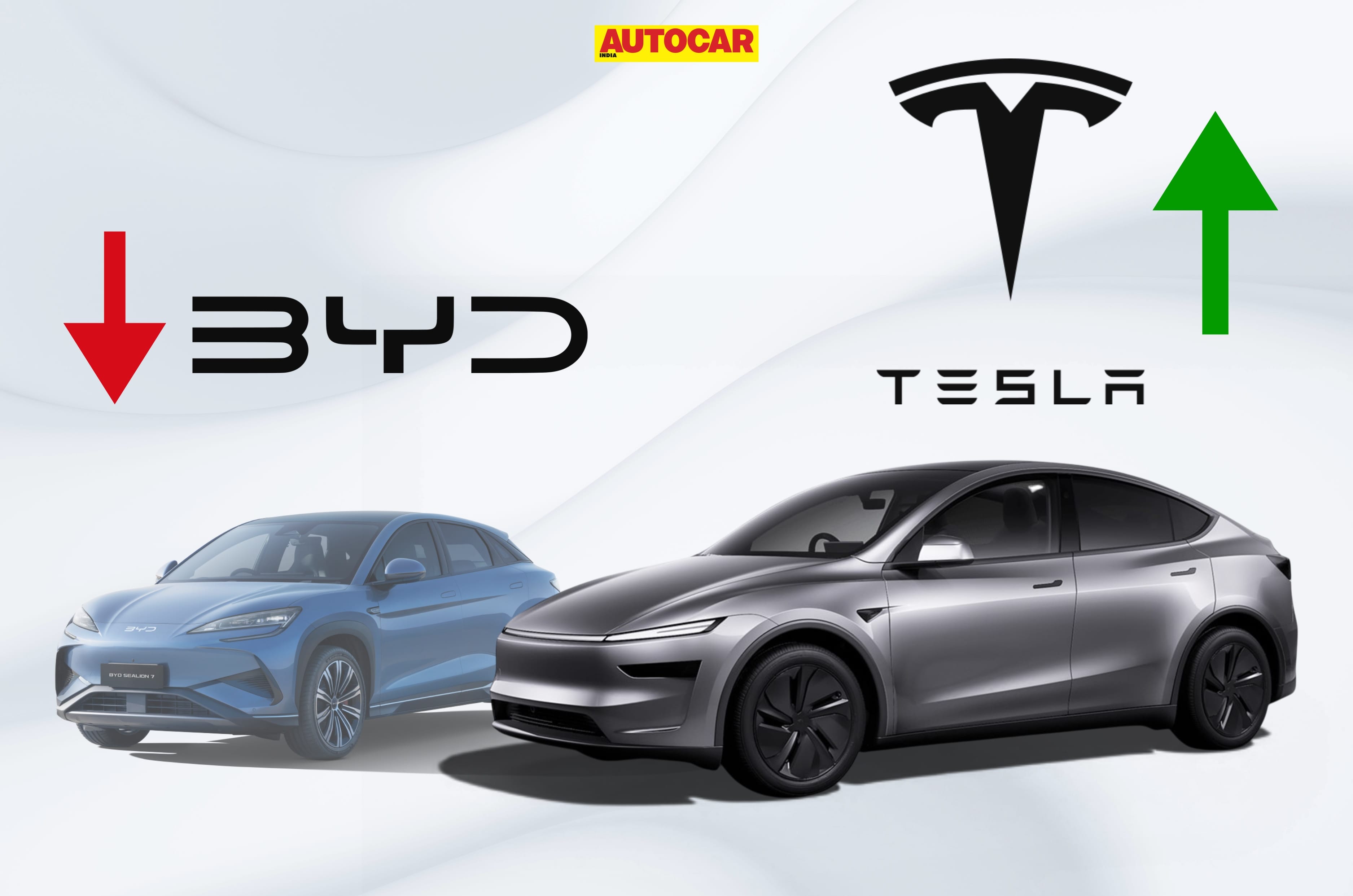
The Shifting Tides: Tesla's Resurgence in Q1 2026
Beyond the Numbers: Decoding Tesla's & BYD's Strategic Plays
Tesla's Ecosystem and Innovation Edge
BYD's Vertical Integration and Diverse Portfolio
Pros and Cons: A Deep Dive into the EV Giants
Tesla: The Innovation Pacesetter
BYD: The Cost-Efficient Powerhouse
The Road Ahead: What to Expect in the Electric Arena
Conclusion: The Ever-Evolving Electric Race