
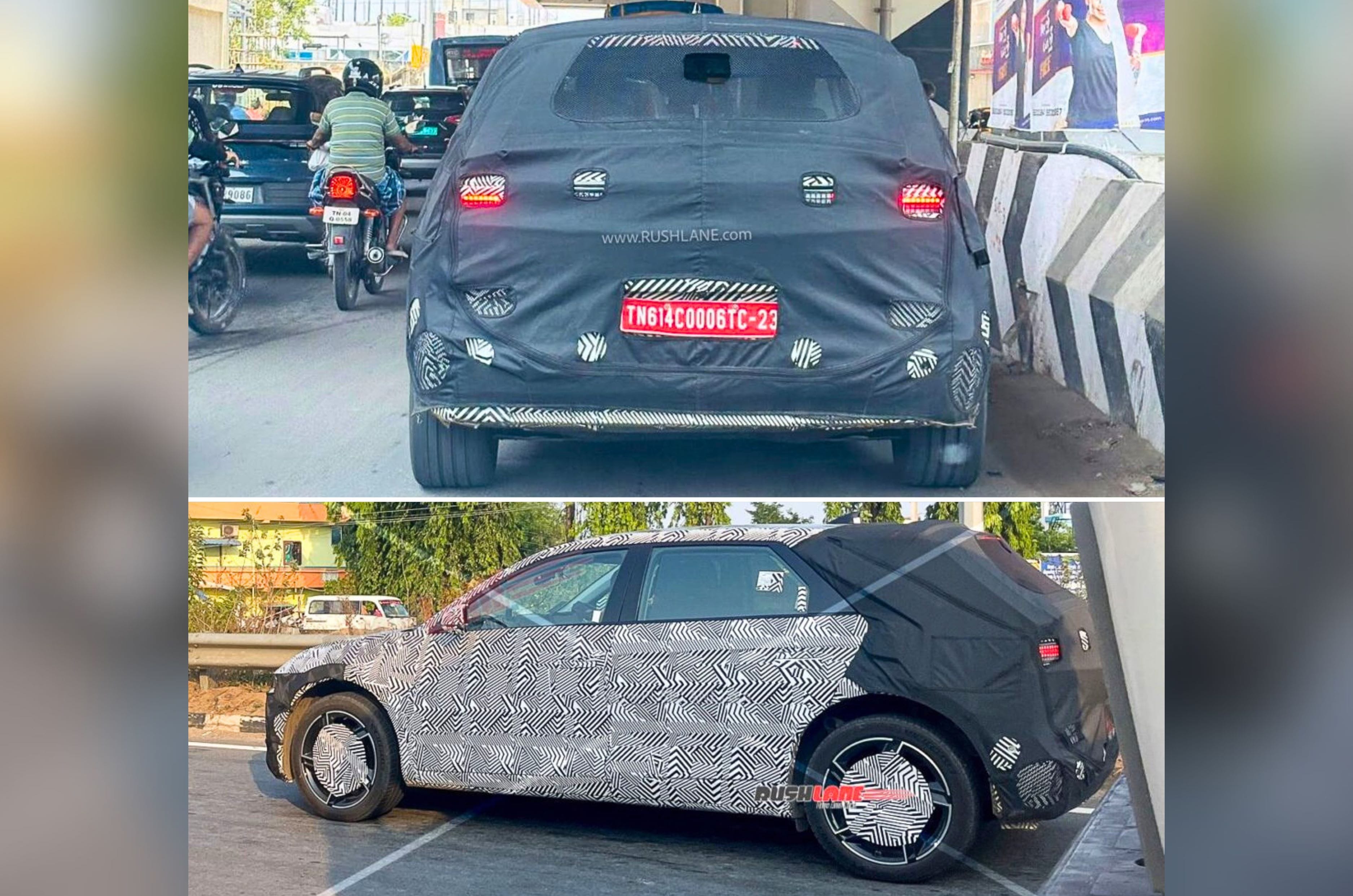
The whisper has grown into a discernible hum: the highly anticipated Hyundai Ioniq 5 facelift has been caught in the wild, undergoing testing on Indian roads. This isn't just a minor refresh; it's a strategic evolution for Hyundai's poster child in the premium electric vehicle segment. Having made its global debut in March 2024, the updated Ioniq 5 EV arrives with a suite of exterior nips, interior tucks, and crucially, a significantly larger battery pack. For enthusiasts and prospective buyers alike, this sighting heralds the imminent arrival of a more capable and refined electric offering, one poised to redefine expectations in a rapidly accelerating market.
The Hyundai Ioniq 5 carved out a unique identity with its retro-futuristic design, a deliberate departure from conventional EV aesthetics. For the facelifted model, Hyundai has wisely opted for incremental tweaks rather than a complete overhaul, preserving its distinctive charm while injecting a dose of modern dynamism. The most prominent change at the front is a redesigned bumper, adopting a sportier, more open aesthetic. This subtle aggression hints at the performance-focused Ioniq 5 N, lending the standard model a touch of that high-performance allure without compromising its serene character. The refreshed front fascia not only contributes to a more purposeful stance but also likely aids in aerodynamic efficiency, a critical factor for electric vehicles.
Moving to the side profile, the only discernable update comes in the form of new alloy wheels. These aren't just cosmetic; wheel design plays a significant role in both aesthetics and aerodynamics, with modern EV alloys often engineered to reduce drag and optimize airflow. The rear, mirroring the front, receives a revised bumper that integrates more seamlessly with the overall design. A noteworthy addition is a rear wiper, a practical feature many users felt was missing from the outgoing model, particularly in regions prone to dust and rain. Furthermore, a 50mm wider roof spoiler contributes to both aerodynamic stability and a more athletic rear stance. These front and rear modifications cumulatively increase the Ioniq 5 facelift's overall length by 20mm, subtly enhancing its road presence without altering its fundamental proportions.
Step inside, and the Ioniq 5 facelift reveals a cabin refined for enhanced user experience and tactile feedback. The most striking change is a new three-spoke steering wheel, now adorned with interactive pixel lights, adding a futuristic flourish and echoing the Ioniq brand's signature \"Parametric Pixel\" design language. More importantly, Hyundai has addressed feedback regarding the previous model's minimalist approach by integrating a revised centre console featuring additional physical controls. This is a crucial pivot in modern car design, with many manufacturers recognizing the driver preference for physical buttons for essential functions like first-row heating and ventilation, steering heating, and park assist. This balance between digital sleekness and tangible control is often appreciated, particularly when navigating complex infotainment menus or needing quick adjustments on the go.
Further down the console, a relocated wireless charging pad offers improved accessibility, alongside redesigned cupholders and an expanded array of buttons for frequently used features. The infotainment system receives critical updates, now supporting Over-The-Air (OTA) updates, ensuring the vehicle's software remains current with the latest features and security patches. The digital driver's display also appears to feature revised graphics, providing a fresh and potentially more intuitive interface for vital driving information.
It's worth noting the distinction in market specifications; while some international markets offer the Ioniq 5 facelift with digital cameras replacing traditional ORVMs, the spy shots for the India-spec model clearly indicate the retention of conventional ORVMs. This decision likely reflects regulatory considerations and consumer familiarity in the Indian context, where advanced, unproven technologies can sometimes face initial skepticism. Beyond aesthetics and ergonomics, Hyundai has also significantly focused on structural enhancements. The doors, B-pillars, and overall body stiffness have been reinforced, pointing towards improved crash safety. Furthermore, NVH (Noise, Vibration, and Harshness) levels have been addressed with upgraded dampers to reduce steering wheel vibrations, a doubly reinforced rear end and underbody to lower road noise, and increased sound insulation around the rear motor. These enhancements promise a quieter, more refined, and ultimately safer driving experience.
Undoubtedly, the headline-grabbing upgrade for the Ioniq 5 facelift is its larger 84kWh battery pack. This substantial increment from the outgoing 72.6kWh unit is a direct response to consumer demand for greater range and reduced range anxiety, a common deterrent for potential EV adopters. In international markets, this larger battery can be configured with either a single rear motor (RWD) or dual motors (AWD). For the Indian market, however, Hyundai is highly likely to continue with the RWD variant, a strategic choice that balances performance, cost-effectiveness, and real-world utility for the majority of Indian buyers.
In RWD guise, the Ioniq 5 with the 84kWh battery delivers a robust 218hp and 350Nm of torque. While these power figures are virtually identical to the current 72.6kWh model, the real benefit manifests in the vehicle's endurance. Hyundai claims a WLTP (Worldwide Harmonized Light Vehicles Test Procedure) range of 570km, a significant leap forward. To put this in context for India, the outgoing model's 72.6kWh battery delivered an ARAI (Automotive Research Association of India) claimed range of 631km. While WLTP and ARAI cycles differ, the larger battery's intrinsic capacity increase suggests a substantial improvement in real-world range, making longer journeys more feasible and less stressful. Performance-wise, the 0-100kph sprint is achieved in a respectable 7.5 seconds, with a top speed rated at 185kph, which is more than adequate for Indian driving conditions.
Beyond sheer range, charging speed remains a critical factor for EV adoption. The facelifted Ioniq 5 with its 84kWh battery supports ultra-fast DC charging at up to 350kW. This impressive capability allows the battery to replenish from 10-80 percent in a mere 18 minutes – roughly the time it takes for a coffee break. Such rapid charging capability, facilitated by its 800V architecture, positions the Ioniq 5 at the forefront of EV charging technology, offering unparalleled convenience for intercity travel, provided the necessary high-power charging infrastructure is available. For home or workplace charging, AC charging times are claimed at 7 hours and 35 minutes, perfectly suitable for overnight top-ups. Moreover, the Ioniq 5's Vehicle-to-Load (V2L) function, which allows the car to power external appliances, is expected to continue, adding another layer of versatility to its electric credentials.
The sighting of the Ioniq 5 facelift test mule on Indian soil signals an imminent launch, with expectations pointing towards Q2 2026. This timeline suggests that Hyundai is keen to capitalize on the growing momentum in India's premium EV segment. The Ioniq 5 has been a critical pillar in Hyundai's electrification strategy for India, showcasing the brand's technological prowess and commitment to sustainable mobility. Its success has paved the way for more premium electric offerings and solidified Hyundai's position as a serious contender in the high-end EV space. The facelift will aim to sustain this trajectory, drawing new customers with its enhanced features and appealing to existing enthusiasts with its refined proposition.
Upon its arrival, the Ioniq 5 facelift will re-enter a fiercely competitive segment, squaring off against a growing roster of entry-level luxury EVs. Its primary rival will remain the Kia EV6, its platform sibling, which has also found considerable traction. Beyond that, it will contend with formidable German contenders like the BMW iX1 LWB, and increasingly, compelling options from Chinese manufacturers such as the BYD Sealion 7, and premium European offerings like the Volvo EX30. The current Ioniq 5 is priced at Rs 46.3 lakh (ex-showroom). Given the comprehensive upgrades, particularly the larger battery and enhanced features, the facelifted model is undeniably expected to command a premium. This anticipated price hike could be a double-edged sword: while it brings more value, it also pushes the Ioniq 5 further into the territory of established luxury brands, intensifying the battle for market share. Hyundai will need to carefully position the facelift to ensure its enhanced capabilities justify the increased sticker price, convincing discerning buyers that the blend of futuristic design, advanced technology, and superior range offers compelling value against its sophisticated rivals.
The Hyundai Ioniq 5 facelift is more than just a refreshed model; it's a statement of intent from Hyundai in the burgeoning Indian EV market. By addressing critical aspects like range anxiety with a larger battery, enhancing practicality with ergonomic interior changes, and refining its already distinctive design, Hyundai is meticulously sculpting a formidable challenger. While the anticipated price premium will undoubtedly spark debate in a fiercely competitive landscape, the Ioniq 5's enhanced capabilities and thoughtful improvements position it strongly. As we inch closer to its official launch, the facelifted Ioniq 5 stands poised to not only retain its iconic status but also push the boundaries of what premium electric mobility can offer, further cementing Hyundai's leadership in India's electric revolution. The future of electric driving is here, and it looks more compelling than ever.
Electrifying Evolution: Hyundai Ioniq 5 Facelift Spotted in India, Promising Enhanced Range and Refinement
The Evolving Icon: Detailing the Ioniq 5 Facelift's Exterior and Interior Refresh
Subtle Yet Striking Exterior Enhancements
A More Intuitive Cabin: Ergonomic and Technological Upgrades
Powering Ahead: Unpacking the Ioniq 5 Facelift's Enhanced Battery and Range
The New 84kWh Powerhouse: Range and Performance Implications
Rapid Charging Capabilities: Keeping You on the Move
Market Dynamics: Launch, Competition, and Pricing Expectations
India Launch Window and Strategic Positioning
A Fierce Arena: Competitors and Price Estimates
Hyundai Ioniq 5 Facelift: Pros & Cons
Pros
Cons