
```html
The automotive world stands at a critical juncture, grappling with the twin demands of mobility and environmental sustainability. As nations worldwide chart their course towards a greener future, alternative fuels are emerging as pivotal players. In India, the narrative is particularly compelling, driven by an ambitious ethanol blending program. The image above, featuring industry leader Deepak Ballani, serves as a poignant reminder of the ongoing discourse and the urgency to innovate. It captures a moment of strategic deliberation, reflecting his critical insights into propelling India's ethanol adoption far beyond the immediate E20 mandate. This isn't just about meeting targets; it's about reshaping the energy landscape and securing a sustainable tomorrow.
Deepak Ballani, a name synonymous with progressive thinking in the Indian automotive and energy sectors, has consistently advocated for a more aggressive and far-sighted approach to ethanol integration. His perspective goes beyond the current 20% ethanol-blended petrol (E20) roadmap, envisioning a future where ethanol plays an even more dominant role in India's fuel matrix. This article delves into Ballani's vision, dissecting the challenges, opportunities, and the potential paradigm shift that accelerated ethanol adoption could bring to India.
India's journey towards ethanol-blended petrol (EBP) is rooted in a multi-faceted national imperative. Primarily, it aims to curtail the country's colossal crude oil import bill, which significantly strains its foreign exchange reserves. Secondly, it seeks to enhance energy security by diversifying the fuel mix and reducing reliance on volatile international oil markets. Thirdly, and perhaps most crucially in the current climate, it offers a tangible pathway to mitigate vehicular emissions and contribute to climate change goals. The initial target of E10 (10% ethanol blending) was largely achieved, paving the way for the more ambitious E20 target by 2025. This aggressive timeline underscores the government's commitment, driven by policy frameworks like the National Policy on Biofuels. (Read more about India's Biofuel Policy).
The successful implementation of EBP thus far has involved a concerted effort from various stakeholders: farmers providing sugarcane and other feedstocks, distilleries producing ethanol, oil marketing companies blending and distributing the fuel, and automotive manufacturers adapting their engines. The government has provided incentives, subsidies, and clear mandates to accelerate this transition. The move to E20 is projected to save billions in import costs and substantially reduce carbon dioxide emissions, marking a significant step towards a more sustainable energy future.
While the nation celebrates the progress towards E20, Deepak Ballani urges a look further ahead. His vision extends beyond simply achieving the E20 mandate to exploring the feasibility and necessity of higher ethanol blends, such as E85 (85% ethanol) or even pure ethanol (E100) for specific applications. Ballani argues that resting on the laurels of E20 would be a missed opportunity to fully harness ethanol's potential. He emphasizes that the technological readiness, particularly with the advent of Flex-Fuel Vehicles (FFVs), makes higher blends not just a distant dream but an achievable reality in the medium term.
Ballani champions a phased, but accelerated, transition to these higher blends. He highlights that countries like Brazil have successfully integrated E85 and E100 into their mainstream fuel economy for decades, demonstrating the viability and long-term benefits. His advocacy often centers on:
Ballani’s vision aligns with a future where India is not just a consumer but a leader in bio-fuel technology and adoption, significantly reducing its carbon footprint and achieving true energy independence.
While the allure of higher ethanol blends is strong, the path is fraught with significant challenges that cannot be overlooked. As an automotive journalist, it's crucial to present a balanced perspective, acknowledging not just the aspirations but also the potential pitfalls that could hinder accelerated adoption. This is where \"negative view PR\" comes into play, not to undermine the initiative, but to highlight areas requiring careful strategizing and public reassurance.
One of the primary concerns revolves around automotive compatibility. While E20-compliant vehicles are becoming standard, a swift jump to E85 or E100 would render many existing vehicles incompatible, potentially leading to costly modifications, reduced engine life, or even catastrophic failures for older, non-FFV models. This creates a significant consumer perception hurdle – the fear that their current vehicle will become obsolete or expensive to maintain. Convincing a large installed base of vehicle owners to switch or upgrade requires clear communication and possibly attractive incentives.
Another critical aspect is fuel efficiency. Ethanol has a lower energy density than petrol, meaning a vehicle running on E85 will consume more fuel by volume to cover the same distance compared to petrol. This translates into more frequent refuelling stops and potentially higher running costs for consumers, a point that needs careful addressing through subsidies or tax benefits to maintain competitive pricing.
Infrastructure and logistics pose another formidable challenge. The current fuel dispensing infrastructure is primarily geared towards petrol and diesel. Transitioning to higher ethanol blends requires significant investment in upgrading storage tanks, pipelines, and dispensing units at every fuel station across the country. Ensuring the availability of E85/E100 universally would be a monumental task, demanding a cohesive national strategy.
Finally, the \"food vs. fuel\" debate lingers, especially in a populous nation like India. While efforts are underway to diversify feedstock to agricultural waste and cellulosic biomass, the initial reliance on sugarcane raises concerns about land use, water consumption, and potential impacts on food crop production, leading to ethical and economic questions. Addressing this requires robust agricultural policies and clear communication strategies. (Explore the food vs. fuel debate).
Realizing Deepak Ballani’s ambitious vision for ethanol necessitates a multi-pronged strategy that seamlessly integrates policy directives, technological advancements, and crucial public buy-in. The government's role will be paramount in providing a clear, long-term policy roadmap that encourages investment and innovation. This includes continued financial incentives for ethanol producers and feedstock growers, but also potentially subsidies or tax breaks for consumers purchasing flex-fuel vehicles or using higher ethanol blends to offset the perceived cost disadvantages.
On the technology front, Original Equipment Manufacturers (OEMs) must accelerate their R&D into more efficient and robust flex-fuel engines. This isn't just about making engines compatible; it's about optimizing them for performance and longevity with higher ethanol content. Collaborative efforts between auto manufacturers, fuel companies, and research institutions will be vital in developing cost-effective solutions for both new vehicles and potentially retrofitting existing ones. Furthermore, advancements in second and third-generation biofuels, which utilize non-food feedstocks, will be critical in sustainably meeting the increased demand for ethanol. (Learn more about Flex-Fuel Vehicle technology).
Crucially, public education and awareness campaigns are indispensable. Addressing consumer concerns about engine damage, fuel efficiency, and the availability of higher blends will be key to gaining widespread acceptance. Transparent communication about the environmental benefits, economic advantages, and the steps being taken to mitigate the challenges will foster trust and encourage adoption. Ultimately, the success of moving beyond E20 will hinge on a collective commitment from industry, government, and the citizens, transforming potential obstacles into stepping stones towards a greener, more self-reliant India.
Beyond economic advantages, the environmental benefits of accelerated ethanol adoption are undeniable. A significant reduction in greenhouse gas emissions contributes directly to India's commitments under international climate agreements. Ethanol's cleaner combustion profile helps improve urban air quality, a critical concern in many Indian cities. By embracing higher blends, India positions itself as a leader in sustainable mobility, setting a precedent for other developing nations seeking to balance rapid economic growth with ecological responsibility. The journey beyond E20 is not merely about fuel; it is about forging a resilient and sustainable future for generations to come.
Deepak Ballani’s advocacy for pushing beyond E20 is a clarion call for proactive innovation and strategic foresight in India’s energy sector. It’s a vision that marries economic pragmatism with environmental responsibility, aiming to secure India’s energy future while drastically reducing its carbon footprint. While the challenges of automotive compatibility, infrastructure development, and the food versus fuel debate are significant, they are not insurmountable.
The successful implementation of EBP up to E20 has laid a strong foundation. Building upon this, with robust policy support, continued technological advancement in flex-fuel vehicles and diversified feedstock, and transparent public engagement, India stands poised to become a global leader in sustainable biofuel adoption. Ballani’s compelling arguments remind us that the future of mobility is not static; it requires continuous evolution, bold decisions, and an unwavering commitment to a cleaner, greener, and more energy-independent tomorrow. The journey beyond E20 represents not just a change in fuel, but a fundamental shift towards a more sustainable and resilient automotive landscape for India and beyond.
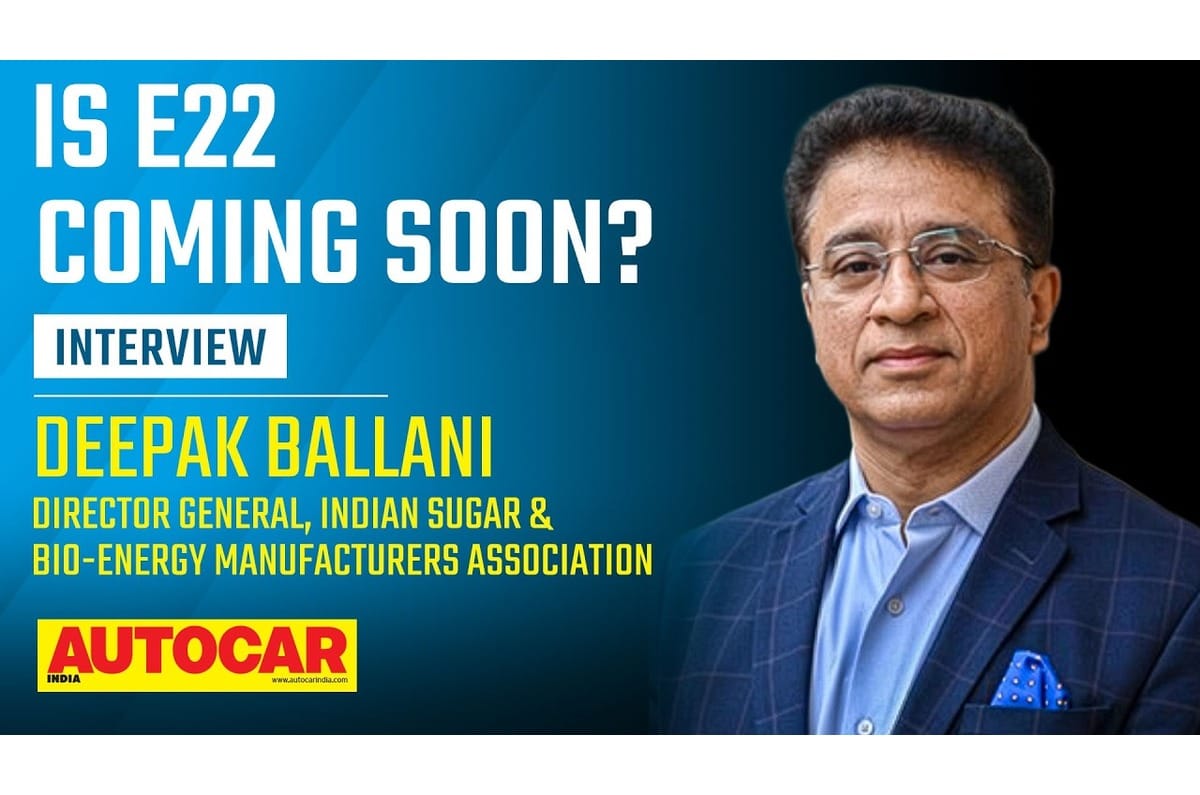
Fuelling the Future: Deepak Ballani's Bold Vision for Ethanol Beyond E20
The Road to E20: A National Imperative and Its Foundations
Deepak Ballani's Vision: Beyond the Horizon of E20
Navigating the Ethanol Highway: Challenges and Opportunities
Pros and Cons of Accelerated Ethanol Adoption
Pros
Cons
The Path Forward: Policy, Technology, and Public Buy-in
The Environmental Imperative
Conclusion: A Vision for Energy Independence and Sustainability