
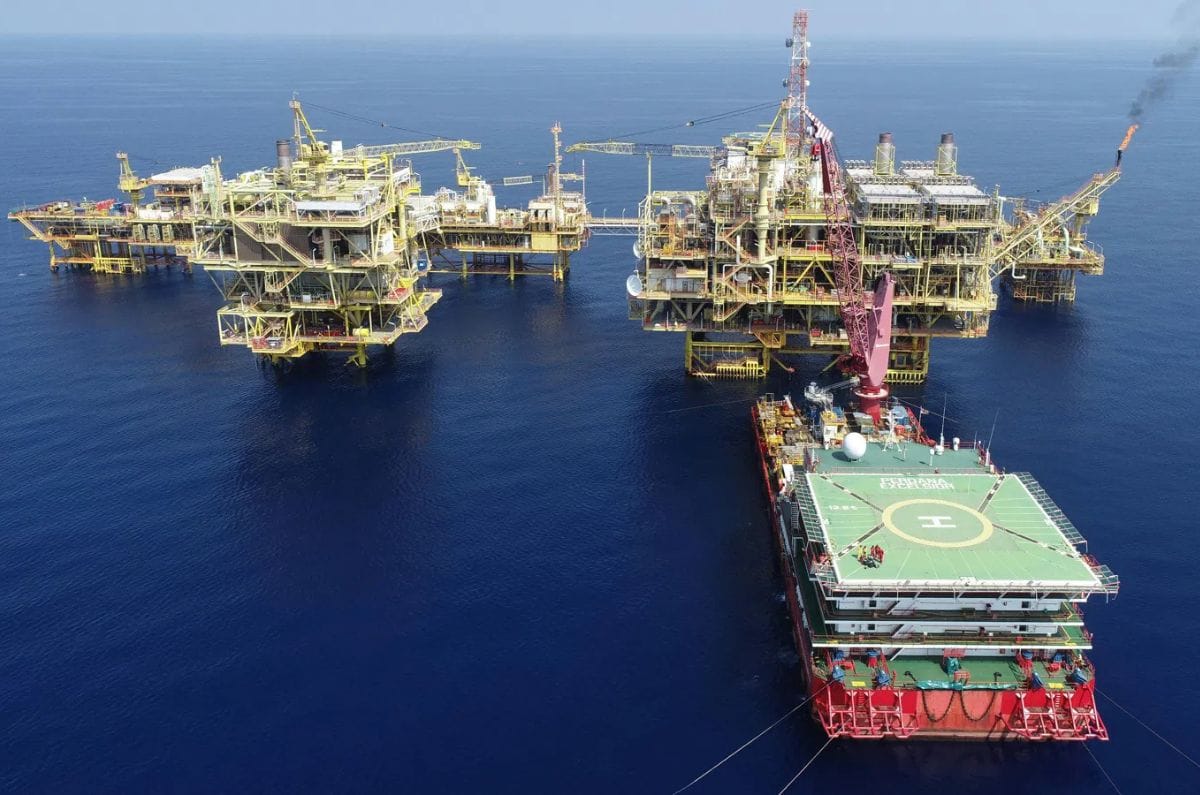
The wheels of global economics turn on the axis of energy. When that axis experiences a seismic shift, industries buckle and adapt. Today, we delve into a monumental energy market upheaval that promises to send ripples, both refreshing and challenging, across the entire automotive spectrum. The gears of global industry, particularly the automotive sector, are intricately linked to the ebb and flow of crude oil prices. For what feels like an eternity, consumers and manufacturers alike have braced against the unrelenting tide of escalating fuel costs and raw material expenses, driven by geopolitical instability and supply chain bottlenecks. However, a significant tremor has just shaken the very foundations of the energy market, promising a potential paradigm shift. Following the announcement of a ceasefire orchestrated by the United States and Iran in the persistently volatile Middle East crisis, global crude oil prices have experienced a dramatic and widespread decline. As of April 8, 2026, the benchmark Brent crude, a bellwether for international prices, was trading at a significantly reduced USD 94.43 per barrel. Concurrently, WTI (West Texas Intermediate) crude oil price, the key indicator for North American markets, stood at USD 96.82 per barrel. This isn't merely a minor fluctuation; this change marks one of the most significant price drops in recent decades, setting the stage for profound implications across the globe, especially for the multi-trillion-dollar automotive industry. The reduction in geopolitical tension, as visually symbolized by critical infrastructure like an offshore oil and gas production facility, directly influences the global energy supply chain. The sudden and substantial decline in crude oil prices is a direct consequence of shifting geopolitical sands. For months, if not years, the Middle East has been a crucible of conflict, its instability directly translating into an anxiety premium tacked onto every barrel of oil. Traders, fearing supply disruptions, actively bid up prices, creating a speculative bubble on top of genuine scarcity concerns. The announcement of a ceasefire between major regional players, facilitated by international diplomacy, has dramatically altered this landscape. The immediate removal of this \"war premium\" has allowed prices to tumble, reflecting a more stable outlook for oil production and transit routes. The differential between Brent and WTI, where WTI is now slightly higher, also warrants attention. Historically, Brent often trades at a premium to WTI due to its broader global market reach and the relative ease of transport for seaborne crude. The current inversion, though slight, could indicate specific regional supply dynamics or the swiftness of localized market reactions. However, the overarching narrative remains the same: a significant relief rally driven by geopolitical de-escalation, fundamentally altering the short-to-medium term outlook for global energy prices. For the automotive industry, this ripple effect is nothing short of transformative. The automotive sector is a voracious consumer of energy, both directly in fuel for vehicles and indirectly in the manufacturing process. This dramatic shift in oil prices presents a multifaceted impact. The most immediate and tangible impact will be felt at the pump. Lower crude oil prices directly translate to cheaper gasoline and diesel. For the average commuter, this means more disposable income, potentially offsetting other inflationary pressures. Imagine the family road trip suddenly becoming more affordable, or the daily commute less of a financial drain. This surge in consumer confidence and discretionary spending could translate into increased demand for vehicles, accessories, and automotive services. Beyond the fuel tank, crude oil is a fundamental building block for numerous components found in modern vehicles. Plastics, synthetic rubbers for tires, lubricants, sealants, and even some adhesives are petrochemical derivatives. A drop in crude oil prices can significantly reduce the cost of these raw materials for automotive manufacturers. This reduction in input costs offers a two-fold benefit: Perhaps one of the most intriguing, and potentially controversial, impacts of plummeting oil prices is on the accelerating shift towards electric vehicles (EVs). For years, high and volatile gasoline prices have been a primary motivator for consumers to consider EVs, despite their higher upfront costs. With gasoline becoming significantly cheaper, will this remove a crucial incentive for EV adoption? The impact of lower crude prices extends far beyond the direct confines of the automotive industry, creating broader economic ripples that will inevitably loop back to affect vehicle sales and production. Central banks worldwide have been battling persistent inflation, often fueled by elevated energy costs. Lower oil prices act as a natural disinflationary force. Reduced transportation costs for goods and services across all sectors, coupled with cheaper manufacturing inputs, can help cool consumer prices. This could mean less aggressive monetary policies (e.g., fewer interest rate hikes), which in turn fosters a more stable economic environment conducive to business investment and consumer spending, including on big-ticket items like new cars. When fuel bills shrink, households effectively gain more disposable income. This newfound financial breathing room can be directed towards savings, investments, or discretionary purchases – precisely the kind of spending that benefits the automotive sector. Increased consumer confidence, buoyed by the prospect of lower living costs, often correlates with stronger demand for new vehicles, especially as pent-up demand from previous years of economic uncertainty might finally be unleashed. While the ceasefire offers immediate relief, the inherent volatility of geopolitics remains a critical factor. The Middle East, despite the current de-escalation, is a region prone to rapid shifts. Any renewed conflict or even heightened tensions could quickly reverse the current price trend. This underlying uncertainty presents a dilemma for long-term planning within the automotive industry. Should manufacturers double down on ICE production to capitalize on cheaper fuel, or continue their aggressive EV strategies, hedging against future oil price spikes? This seismic shift in oil prices presents a complex array of advantages and disadvantages for the automotive industry and its consumers. The current oil price environment, while overwhelmingly positive for the automotive sector in the short term, is a delicate balance. The industry must navigate this period with strategic foresight. Manufacturers should seize the opportunity to optimize production costs, potentially pass on some savings to consumers to stimulate demand, and reinvest in innovation. However, a cautious approach is warranted. Geopolitical stability, especially in the Middle East, remains a fluid concept. Automakers must not lose sight of their long-term sustainability goals, continuing to invest heavily in electric vehicle technology, advanced fuel efficiency for ICE vehicles, and diversified supply chains. The current reprieve offers a chance to consolidate gains, strengthen balance sheets, and prepare for future market dynamics, whatever they may be. Consumers, too, should enjoy the immediate relief at the pump but remain aware that the energy market is inherently unpredictable. While the cost of filling up may be lower today, the overarching trend towards energy diversification and reduced reliance on fossil fuels is a journey, not a destination, and one that the automotive world is irrevocably committed to. The dramatic fall in crude oil prices, ignited by a significant geopolitical ceasefire, represents a pivotal moment for the global economy and, critically, for the automotive industry. It offers a much-needed breath of fresh air for consumers facing inflationary pressures and provides a tangible boost to manufacturers grappling with rising production costs and complex supply chain challenges. From the immediate relief at the fuel pump to the broader economic stimulus of increased disposable income, the positive ramifications are undeniable. Yet, as with any major shift, caution is paramount. The fragility of peace, the inherent volatility of energy markets, and the long-term imperative of decarbonization mean that this period of lower prices should be viewed as an opportunity for strategic consolidation rather than a reason to deviate from future-focused planning. The automotive world must leverage this moment to reinforce its foundations, accelerate innovation, and continue its inexorable drive towards a more sustainable and resilient future. While the road ahead will undoubtedly present its own set of twists and turns, for now, the industry can breathe a collective sigh of relief, steering with renewed confidence towards a potentially more stable horizon.Oil Price Plunge: A Ceasefire's Shockwave Reshapes the Automotive Landscape and Beyond
The Geopolitical Tides Turn: Decoding the Historic Decline
A Tremor of Relief: How the Automotive Sector Reacts
Fuel Pump Futures: Immediate Consumer Benefits
\"For years, fuel costs have been a significant barrier for many households considering vehicle purchases or even just their daily driving habits. This sharp drop could revitalize segments of the market that were stagnating, particularly for larger, less fuel-efficient vehicles that were becoming prohibitively expensive to run.\"
Manufacturing Momentum: Production Costs and Supply Chains
The EV Conundrum: A Shifting Landscape for Electrification
Broader Economic Ripples: Beyond the Tank
Inflationary Pressures Eased
Consumer Confidence and Disposable Income
Global Market Stability vs. Geopolitical Volatility
\"While the current dip is welcome news, history teaches us that relying solely on sustained low oil prices is a precarious strategy. Manufacturers must continue to diversify their powertrain offerings and invest in efficiency, regardless of pump prices. The public might be momentarily appeased, but any future spike will ignite immediate discontent and questioning of long-term planning.\"
Navigating the New Normal: Pros and Cons for the Automotive World
Pros:
Cons:
The Road Ahead: What to Watch For
Conclusion: Steering Towards a More Stable Horizon?