
The roar of performance engines and the hum of luxury vehicles often signify a passion for automotive excellence. However, a recent seismic shift in the fuel market threatens to dampen that enthusiasm for a significant segment of Indian motorists. As depicted in the accompanying imagery, the landscape of fuel pricing is evolving, and not always in a motorist's favour. Effective April 1st, a substantial hike has gripped the premium fuel sector, pushing the price of 100-octane petrol to an unprecedented ₹160 per litre. This isn't merely a statistic; it's a critical juncture for vehicle owners, the automotive industry, and the broader economy, underscoring the delicate balance between global energy dynamics and domestic market realities. This latest surge isn't an isolated incident. It arrives on the heels of other adjustments and amid persistent volatility in international crude oil markets. While the government assures stability in regular fuel prices, the premium segment tells a different story. This article delves deep into the nuances of these price revisions, dissects the underlying factors, and explores the multifaceted implications for the discerning Indian motorist and the nation's energy security. The first of April has brought more than just playful jests for owners of high-performance and luxury vehicles. The price of 100-octane petrol, often marketed for its superior performance characteristics and engine-cleaning additives, has seen an Rs 11 increase, leaping from its previous rate of ₹149 to a staggering ₹160 per litre. This premium fuel, primarily catering to a niche but growing market of enthusiasts and owners of sophisticated powertrains, is designed to enhance combustion efficiency and prevent engine knocking in high-compression engines. Simultaneously, premium diesel, distinguished by its higher cetane number and the inclusion of performance-enhancing additives, has also experienced an upward revision. Its price has moved from ₹91.49 to ₹92.99 per litre. Unlike regular diesel, which is a workhorse fuel, premium diesel is favoured by owners of modern diesel engines for smoother operation, improved fuel economy in some conditions, and reduced emissions, thanks to its superior ignition quality. This segment, though smaller than regular diesel, is crucial for certain commercial and luxury diesel vehicle operators. These specific increases follow a prior adjustment on March 20th, when state-run oil marketing companies—Indian Oil Corporation (IOCL), Bharat Petroleum Corporation (BPCL), and Hindustan Petroleum Corporation (HPCL)—increased the retail prices of 95-octane petrol by up to ₹2.35 per litre. While 100-octane is the pinnacle of premium petrol, 95-octane serves a broader range of premium cars and motorcycles, offering a step up from the standard 91-octane petrol commonly available. The divergence in pricing strategies between regular and premium fuels highlights a complex economic tightrope walk. The government appears keen to shield the common consumer from the immediate brunt of global energy inflation, while allowing market forces to a greater extent in the premium segment, perhaps reasoning that consumers for these fuels possess higher purchasing power. The global energy landscape remains exceptionally turbulent. The primary catalyst for these domestic price adjustments is the unabated surge in crude oil prices, coupled with significant supply disruptions stemming from the ongoing conflict in West Asia. Brent crude, a global benchmark, has witnessed a steep ascent, climbing from approximately $70 per barrel just two months ago to now exceeding $100 per barrel. This meteoric rise naturally translates into higher input costs for oil-importing nations like India. Despite this challenging international backdrop, the Indian government maintains a firm stance on domestic fuel stability, particularly for regular petrol and diesel. A crucial factor in this stability has been the recent intervention by the finance ministry, which reduced excise duty on petrol by ₹3 per litre (from ₹13 to ₹10) and on diesel to zero from ₹10. This tactical move directly cushioned consumers from potential price hikes on these essential fuels, demonstrating a clear policy intent to mitigate inflationary pressures on the broader public. Sujata Sharma, Joint Secretary at the Ministry of Petroleum and Natural Gas, recently reiterated the government's reassurances, stating, \"As you are all aware, our crude inventory is sufficient, and the Government of India has made arrangements to ensure adequate crude supply for the next two months.\" She further affirmed that oil refineries are operating at optimal capacity, with no reported instances of fuel shortages at retail outlets. This official narrative seeks to project confidence in the nation's energy security and supply chain resilience. Adding to this, the government proudly points to a period of remarkable price stability for regular fuels. \"The prices of [regular] petrol and diesel have not been raised since April 6, 2022; furthermore, in March 2024, the prices of both fuels were reduced by ₹2,\" Sharma noted. This historical context provides a strong counter-narrative against claims of consistent hikes, framing the current situation as an exceptional response to global pressures, selectively applied to premium segments. However, the public perception often diverges from official statements. While the government denies any fuel shortage, anecdotal evidence and media reports paint a slightly different picture. In some regions, notably parts of Andhra Pradesh, there have been reports of long queues at fuel stations, with signs of panic buying and even rationing of supplies for transport vehicles. Dealer associations have voiced concerns over delayed supplies and operational issues at depots, warning that prolonged disruptions could indeed lead to temporary shortages. This perceived disconnect between official assurances and localized ground realities can foster public skepticism and contribute to consumer anxiety, regardless of the government's best intentions. For the automotive sector, fuel prices are a fundamental determinant of consumer behaviour and industry trends. The latest hikes in premium fuel prices, while not affecting the mass market directly, will certainly impact the owners of performance cars, luxury sedans, and high-end SUVs, who are the primary consumers of 95-octane and 100-octane petrol, as well as premium diesel. This segment of vehicle owners, while often less price-sensitive than the average motorist, still faces increased running costs. For a high-performance vehicle consuming, for instance, 10 litres of 100-octane petrol per 100 km, the additional cost quickly accumulates. This could subtly influence driving habits, choice of vehicle for daily commutes, or even impact the resale value of certain premium models as potential buyers factor in higher operational expenses. It might also accelerate the shift towards more fuel-efficient premium vehicles or even electric alternatives in the luxury segment. While regular fuel prices remain stable, the rise in crude oil costs globally presents an underlying inflationary pressure that cannot be entirely contained. Higher crude prices affect not only petrol and diesel but also a myriad of petroleum-derived products crucial for industries ranging from plastics and chemicals to construction. This can lead to a general increase in manufacturing costs, which may eventually trickle down to consumer goods, impacting broader economic indicators like inflation. For India, heavily reliant on crude oil imports, managing these price volatilities is a perennial challenge. The government's strategic crude inventory and efforts to diversify supply sources (learn more about India's oil import strategy) are critical, but the impact of geopolitical events remains a formidable force on the nation's energy bill. Navigating the complexities of global oil markets while safeguarding domestic economic interests is a tightrope walk for any government. India's recent fuel pricing decisions highlight both strategic advantages and inherent challenges. The latest fuel price hikes, particularly for 100-octane petrol and premium diesel, serve as a stark reminder of India's intricate dance with global energy markets. While the government's strategic interventions have successfully insulated regular fuel consumers from the immediate brunt of surging crude prices and geopolitical unrest in West Asia, the premium segment bears the direct impact of these international headwinds. For the discerning Indian motorist, especially those with a penchant for high-performance and luxury vehicles, the new price points will undoubtedly necessitate adjustments in budgeting and potentially driving habits. This situation also underscores a broader shift within the automotive landscape, pushing consumers and manufacturers alike towards greater fuel efficiency and, increasingly, towards alternative powertrains like electric vehicles. The journey ahead for India's energy sector and its vast automotive market will undoubtedly be marked by continued vigilance, strategic foresight, and a nuanced approach to balancing economic stability with the realities of a volatile global energy future. Only time will tell if the current strategy of selective price adjustments can effectively navigate these turbulent waters without creating deeper fissures in consumer sentiment and economic confidence.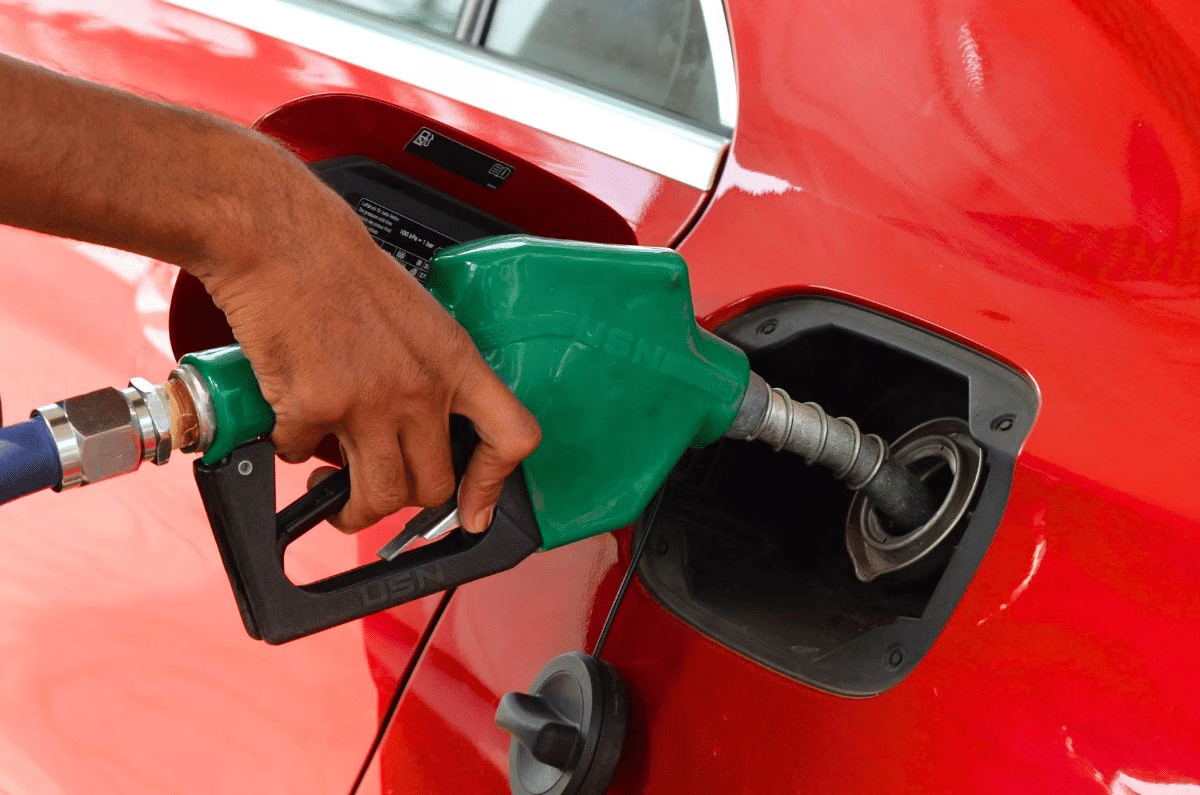
Premium Fuel Shockwave: 100-Octane Petrol Soars to ₹160/Litre Amidst Global Turmoil – What It Means for Indian Motorists
The Escalation of Premium Fuels: Decoding the Latest Price Hikes
Understanding the Octane Spectrum and Diesel Grades:
Global Headwinds vs. Domestic Assurances: A Balancing Act
Official Narratives vs. Ground Realities: A Disconnect?
The Automotive Landscape & Consumer Impact: Navigating the New Normal
Broader Economic Ripples:
Pros & Cons: India's Fuel Pricing Strategy in a Volatile World
Pros:
Cons:
Conclusion: Steering Through Uncertainties