
The midsize sedan segment in India is a battlefield, fiercely contested by stalwarts that consistently push the boundaries of style, technology, and performance. In this arena, the Hyundai Verna has long been a formidable contender, known for its youthful appeal, feature-rich cabin, and dynamic driving experience. Now, Hyundai India has unleashed the 2026 model-year update for the Verna, signaling a refreshed assault on its rivals. With a comprehensive suite of enhancements spanning exterior aesthetics, interior comfort, and crucial safety features, the question on every automotive enthusiast's mind is: Does this latest iteration have what it takes to not just keep pace, but truly outshine segment heavyweights like the Honda City, VW Virtus, and Skoda Slavia? Let's delve deep into what the updated Verna brings to the table and whether it justifies its new price tag, ranging from Rs 10.98 lakh to Rs 18.25 lakh (ex-showroom). Hyundai's strategy with the 2026 Verna seems clear: amplify its existing strengths and introduce compelling new features that set it apart. The update isn't merely a cosmetic touch-up; it's a strategic refinement aimed at solidifying its position and potentially drawing new buyers who prioritize modern tech and enhanced safety. The revised variant nomenclature, now aligned with the Hyundai Venue (HX2-HX10), suggests a streamlined and perhaps more accessible ladder for consumers to navigate. First impressions are paramount, and the 2026 Verna aims to make a striking one. The design language of the current-generation Verna has always been polarizing – bold, futuristic, and unmistakably Hyundai. For this update, the designers have opted for refinement rather than revolution, focusing on details that sharpen its already distinctive profile. The most noticeable change upfront is the new black chrome grille, which lends a more sophisticated and aggressive fascia. This subtle yet significant tweak elevates the premium feel, moving away from some of the previous criticisms regarding its somewhat over-the-top styling for certain demographics. Complementing the revised grille are the projector LED headlights, which not only enhance visibility but also contribute to the Verna’s contemporary appeal. The slightly refreshed bumpers, both front and rear, integrate seamlessly with the car's dynamic lines, while the new 16-inch alloy wheels add a fresh touch to its side profile. While some might argue that these changes are incremental rather than groundbreaking, they collectively contribute to a more cohesive and upmarket appearance. It's a testament to Hyundai's understanding that sometimes, subtle enhancements can yield significant perceived value. To further personalize the Verna's exterior, Hyundai has introduced two intriguing new exterior color options: Classy Blue and Titan Grey Matte. The matte finish, in particular, is a bold move for the segment, typically reserved for premium or sportier offerings. This addition caters to buyers looking for a more distinctive and modern aesthetic, potentially attracting a younger, style-conscious audience who appreciate individuality on the road. However, the divisive nature of its design persists for some, with critics sometimes pointing to its front end as being overly aggressive or unconventional for a mainstream sedan, especially when parked beside the more elegant lines of a Honda City or the understated European charm of a Skoda Slavia. Step inside the 2026 Verna, and the focus on passenger comfort, convenience, and safety becomes immediately apparent. While the overall dashboard layout and dual-screen setup (if carried over from the pre-facelift) remain largely familiar, Hyundai has introduced some truly segment-defining features that could genuinely sway potential buyers. The standout innovation is undoubtedly the \"Boss mode\" functionality for the front passenger seat. This isn't just a gimmick; it's a thoughtful feature that allows the front passenger to adjust the co-driver's seat position with ease, offering unparalleled comfort and space. This is a clear jab at rivals, none of whom offer such an advanced passenger-centric amenity, giving the Verna a unique selling proposition for those who frequently ferry important guests or simply enjoy maximum passenger comfort. Adding to the convenience factor, the driver's seat now comes with a memory function, a premium feature that remembers preferred seating positions for multiple drivers, saving precious seconds and ensuring optimal ergonomics every time. Furthermore, the front passenger seat now offers powered adjustment, moving beyond manual levers and offering a touch of luxury previously associated with higher segments. These subtle yet impactful upgrades collectively enhance the in-cabin experience for both driver and co-passenger. The interior aesthetics also see a minor update with a new steering wheel featuring Hyundai's 'H' logo cleverly integrated in Morse code – a quirky and modern design touch that speaks to the brand's attention to detail and forward-thinking approach. While the core cabin architecture remains, these new features and subtle design elements elevate the Verna's appeal, making it a genuinely comfortable and technologically advanced space to be in. The cabin's material quality and fit-and-finish remain competitive, offering a pleasing tactile experience, although some may still prefer the slightly more robust build feel of its German counterparts. Perhaps the most crucial upgrade, and one that resonates deeply with modern car buyers, is the Verna's enhanced safety suite. Hyundai has raised the bar significantly by offering 7 airbags in the top trim – another segment first. This commitment to passenger protection, going beyond the standard 6 airbags now common in premium models, positions the Verna as a leader in active and passive safety within its class. The rest of the variants also benefit from a commendable 6 airbags as standard, underscoring Hyundai's dedication to safety across the board. Further bolstering its safety credentials are the additions of a 360-degree camera and a built-in dashcam. The 360-degree camera system makes parking and navigating tight spaces considerably easier and safer, while the integrated dashcam offers invaluable security and evidence in unforeseen circumstances. While the Verna already boasted ADAS (Advanced Driver Assistance Systems) in its pre-facelift avatar, these new additions solidify its position as one of the safest and most technologically equipped sedans in the market. The segment-first 7 airbags, in particular, might serve as a strong differentiator against rivals who are yet to offer such comprehensive protection, prompting a critical look at their own safety offerings. Under the hood, Hyundai has wisely chosen to retain the successful powertrain options that have defined the Verna's performance character. This decision ensures reliability and allows buyers to choose a familiar and proven engine. The 1.5-litre naturally-aspirated (NA) petrol engine, generating a respectable 115hp and 144Nm of torque, continues to be the workhorse. This engine is known for its refinement, smooth power delivery, and adequate performance for daily city commutes and occasional highway runs. It offers a choice between a precise 6-speed manual transmission or a smooth CVT unit, catering to different driving preferences and ensuring good fuel efficiency. For those who crave more exhilarating performance, the Verna continues to impress with its 1.5-litre turbo-petrol engine. This powerhouse churns out an impressive 160hp and a hefty 253Nm of torque, making it one of the most potent engines in the segment. Paired with a 6-speed manual or a quick-shifting 7-speed dual-clutch automatic (DCT) gearbox, this engine transforms the Verna into a genuinely fun-to-drive sedan, capable of spirited overtakes and confident highway cruising. The turbo-petrol's performance is often lauded, easily surpassing the power figures of rivals like the Honda City and even giving the turbo variants of the Virtus and Slavia a tough fight. While the absence of a diesel option might deter a small segment of buyers, Hyundai's focus on these highly efficient and performance-oriented petrol engines aligns with current market trends and stricter emission norms. From a driving dynamics perspective, the Verna generally offers a balanced ride and handling package. While it might not possess the outright engaging driving feel of a VW Virtus or Skoda Slavia, it strikes a comfortable compromise between urban maneuverability and highway stability. The suspension is tuned to absorb most road imperfections, providing a comfortable ride, while the steering offers decent feedback for confident driving. However, some automotive journalists might still find the steering a tad light at higher speeds compared to its European rivals, which could be a point of contention for enthusiast drivers seeking ultimate precision. The 2026 Verna introduces a revised variant nomenclature, adopting the HX2, HX4, HX6, HX6+, HX8, and HX10 structure, mirroring the popular Venue SUV. This new ladder should make it easier for customers to understand the feature progression across the range. Here's a detailed look at the ex-showroom prices: 2026 Verna Ex-showroom Prices (in Rs, lakh) The pricing strategy sees the updated Verna maintain a competitive edge, with the entry-level HX2 naturally-aspirated petrol MT starting at a compelling Rs 10.98 lakh, making it an accessible option for many. As one moves up the ladder, the introduction of more premium features and the powerful turbo-petrol engine with the DCT pushes the price to Rs 18.25 lakh for the top-spec HX10. This broad pricing spectrum allows Hyundai to target a wide array of buyers, from those looking for an affordable yet feature-packed sedan to enthusiasts seeking performance and luxury. However, the top-end pricing does put it firmly in contention with similarly equipped variants of the Virtus and Slavia, and potentially even entry-level compact SUVs, forcing buyers to carefully weigh their options. To provide a balanced perspective, here's a quick look at the advantages and potential drawbacks of the updated Verna: The midsize sedan segment is no stranger to fierce competition. The Honda City offers a compelling blend of practicality, reliability, and now, a strong hybrid option. Its refined naturally-aspirated engine and spacious cabin are legendary. However, the Verna’s new feature set, especially the \"Boss mode\" and 7 airbags, arguably gives it an edge in outright feature density and safety. On the other hand, the VW Virtus and Skoda Slavia, with their European flair, robust build quality, and engaging driving dynamics (especially the 1.5 TSI variants), appeal to a different set of enthusiasts. While the Verna's 1.5-litre turbo-petrol is a formidable competitor, the German twins often score higher on perceived build quality and high-speed stability. Where the Verna truly shines is in its commitment to technology and convenience. Features like the 360-degree camera and integrated dashcam are still relatively rare in this segment, giving it a distinct advantage. Its aggressive styling, though sometimes criticized, ensures it stands out in a crowd. Hyundai's widespread service network and reputation for strong after-sales support also remain powerful selling points, a factor that often sways buyers in India. The 2026 Hyundai Verna update is more than just a mid-cycle refresh; it's a strategic declaration of intent from Hyundai. By focusing on segment-first safety features, innovative comfort enhancements, and retaining its potent powertrain options, the Verna has significantly bolstered its appeal. While its exterior design might continue to be a talking point for some, the substantive upgrades inside and beneath the skin are undeniable. The introduction of features like 7 airbags, \"Boss mode,\" and the built-in dashcam showcases Hyundai's commitment to setting new standards in the midsize sedan segment. The Verna isn't just keeping up with the competition; in many ways, it's pushing the envelope and forcing rivals to take note. For prospective buyers prioritizing a blend of cutting-edge technology, top-tier safety, and dynamic performance, the updated 2026 Hyundai Verna presents a compelling, perhaps even class-leading, proposition. It’s clear that Hyundai has listened to market feedback and invested strategically to ensure the Verna remains a relevant and desirable choice. Whether it fully \"outsells\" its formidable rivals remains to be seen in the long run, but one thing is certain: the updated Verna has cemented its position as a major force to be reckoned with in the increasingly competitive Indian automotive landscape. For anyone in the market for a new midsize sedan, ignoring the 2026 Verna would be a missed opportunity.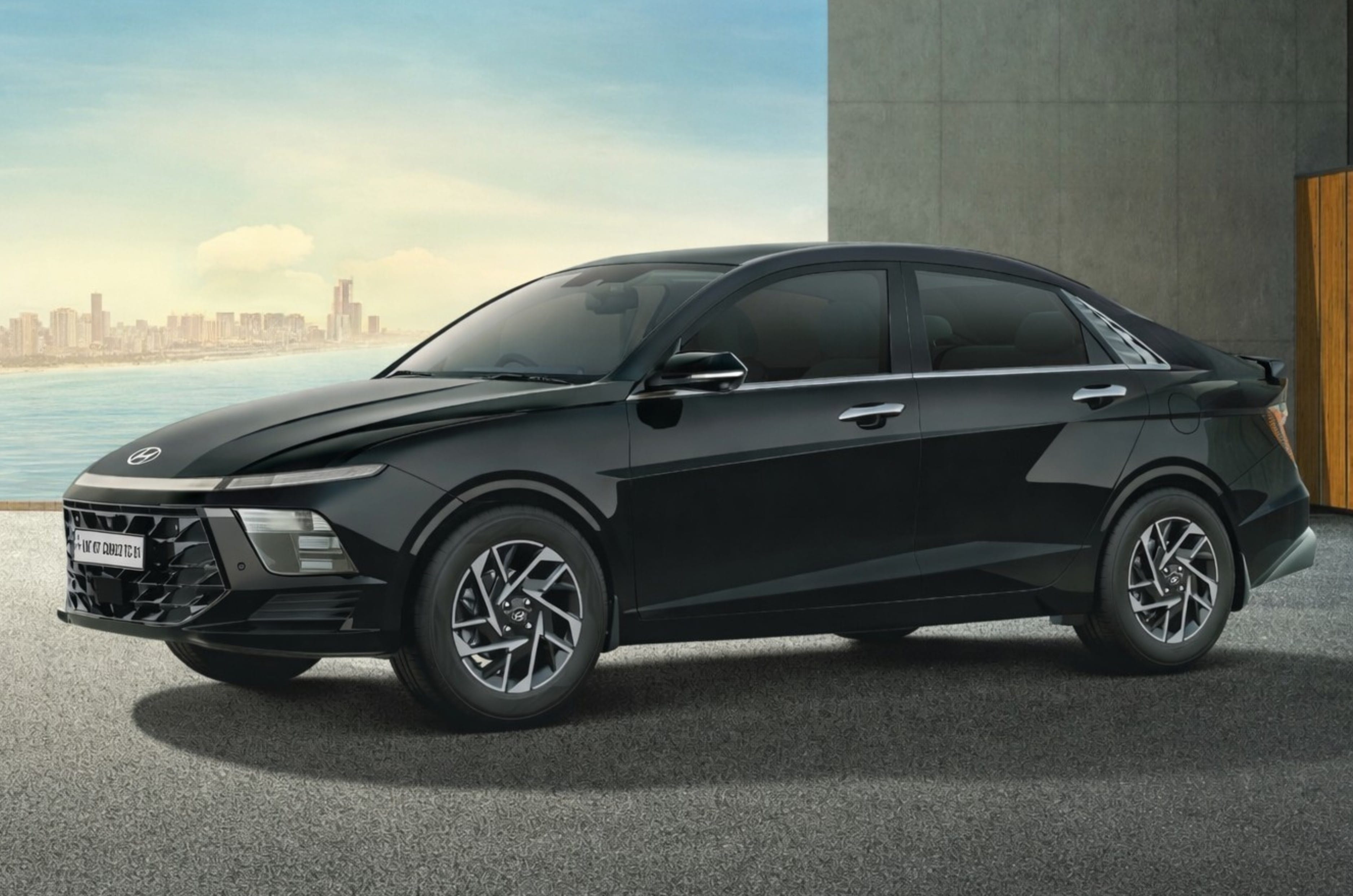
The Refreshed 2026 Hyundai Verna: Does Hyundai's Latest Update Outshine the Competition?
Exterior Enhancements and Design Evolution: A Sharper Silhouette?
Interior Refinements and Segment-First Features: A Class Apart?
Safety Redefined: A New Benchmark?
Powertrain Performance and Driving Dynamics: The Heart of the Beast
Updated 2026 Hyundai Verna Price List and Variant Nomenclature
Variant
Naturally-aspirated Petrol MT
Naturally-aspirated Petrol CVT
Turbo-petrol MT
Turbo-petrol DCT
HX2
10.98
-
-
-
HX4
12.25
-
-
-
HX6
13.19
14.40
-
-
HX6+
13.81
15.02
-
-
HX8
14.88
16.09
16.28
17.62
HX10
-
17.15
-
18.25
Pros & Cons of the 2026 Hyundai Verna Update
Pros:
Cons:
The Competition: How Does the Updated Verna Stack Up?
Conclusion: A Stronger Contender in a Dynamic Segment