
Porsche's Audacious Gambit: Is the Panamera and Taycan Merger a Stroke of Genius or a Risky Bet?
In the ever-accelerating race towards electrification and heightened efficiency within the automotive industry, whispers from Stuttgart suggest a paradigm shift for one of its most iconic luxury brands. Porsche, a name synonymous with performance, precision, and purist appeal, is reportedly contemplating a radical strategy: the potential merger of its revered Panamera executive sedan and the groundbreaking Taycan electric sports saloon into a single, unified model line. This isn't merely a facelift or a platform share; it's a fundamental re-evaluation of brand strategy, aimed squarely at trimming the fat of \"unprofitable expenses\" and streamlining its future portfolio.
This bold move, hinted at by brand boss Michael Leiters and reported by Autocar UK, isn't without precedent within Porsche's own stable. The successful integration of combustion and electric powertrains under the singular Macan and Cayenne nameplates has laid a compelling groundwork. However, the Panamera and Taycan represent distinct pinnacles of Porsche engineering – one a sophisticated grand tourer with a rich ICE heritage, the other a trailblazing beacon of electric performance. Can these two titans truly converge without compromising the essence of what makes each so special? This exploration delves into the strategic imperatives, the engineering hurdles, the potential market ramifications, and the underlying financial pressures driving Porsche towards such an audacious consolidation.
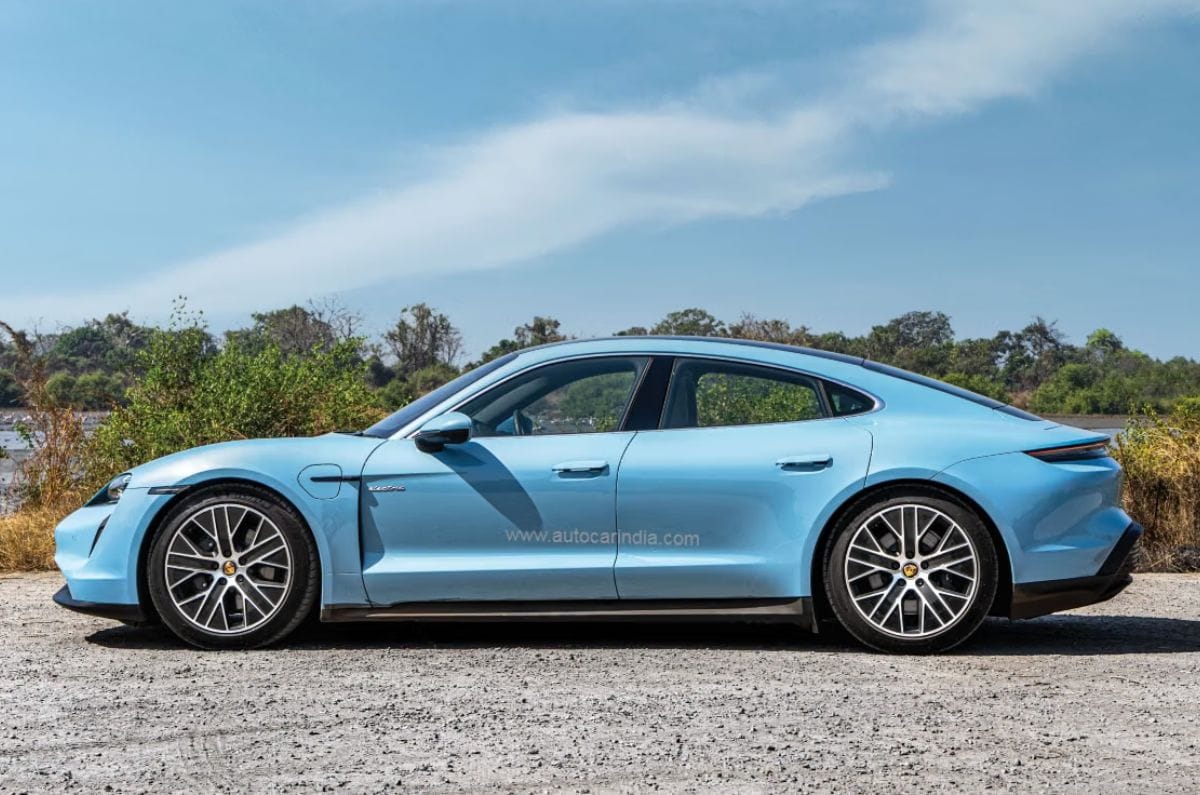
The Engineering Conundrum: Divergent Platforms and Multi-Billion Euro Investments
At the heart of Porsche's proposed consolidation lies a significant engineering challenge: the inherent incompatibility of its current platform architectures. The current-generation Panamera, a benchmark for luxury sports sedans, rides on Porsche's Modular Standard Drivetrain (MSB) platform. This highly adaptable architecture was designed primarily for large, front-engine, rear-wheel-drive (or all-wheel-drive) vehicles, accommodating a range of powerful combustion engines and even hybrid powertrains. It's a testament to traditional automotive engineering, optimized for weight distribution, handling dynamics, and the precise feel expected of a Porsche.
In stark contrast, the revolutionary Taycan, Porsche's first foray into mass-production electric vehicles, is built upon the bespoke 800-volt J1 platform. This dedicated EV architecture was engineered from the ground up to house substantial battery packs, powerful electric motors, and advanced thermal management systems, all while achieving the low center of gravity and responsive performance characteristic of an electric sports car. Its 800-volt system enables ultra-fast charging, a key differentiator in the EV market.
Furthermore, looking ahead, Porsche has already invested significantly in the new Premium Platform Combustion (PPC) architecture, which is earmarked to underpin the next-generation Panamera sometime before 2030. However, as its name explicitly states, the PPC platform is exclusively designed for combustion-powered models, rendering it unsuitable for the fully electric Taycan. This multitude of distinct platforms for relatively similar vehicle segments – large, high-performance four-door models – inevitably leads to immense R&D costs, manufacturing complexities, and slower product cycles.
According to insider reports cited by Autocar UK, Porsche is actively exploring the engineering of a completely new modular platform. This ambitious undertaking would be designed to cater to *both* combustion-powered and fully electric models, aiming for long-term relevance while keeping costs in check. The alternative, and perhaps less drastic, path involves significantly increasing parts sharing between existing and future architectures. The sheer scale of the challenge is underscored by the fact that Porsche has already poured an estimated €1.8 billion into various platform developments, yet reportedly without achieving significant profitability from its nascent EV sales. This substantial investment, coupled with the ongoing \"revisiting of its whole electrification strategy across models\" (as hinted at in the original report, referencing the upcoming K1 flagship SUV's changing powertrain plans), paints a clear picture of the immense financial and strategic pressures on the brand. The stakes are incredibly high, as the future direction of two flagship models, and indeed Porsche's broader electrification journey, hinges on finding a sustainable, unified engineering solution.

The Strategic Imperative: Consolidation for Future Viability and Profitability
Beyond the engineering complexities, the economic rationale for merging the Panamera and Taycan lines is compelling. Operating separate production lines for two conceptually similar four-door performance vehicles, each with its unique tooling, specialized workforce, and distinct supply chains, is an inherently expensive proposition. From research and development to manufacturing, marketing, and after-sales support, every facet of the product lifecycle incurs double the cost when managing two independent model lines.
Should Porsche successfully consolidate these two models under a singular nameplate and a flexible platform, the financial benefits could be transformative. This move would allow for significant economies of scale, leading to reduced per-unit costs and potentially higher profit margins. Resources currently duplicated across both models – from chassis engineers and design teams to marketing budgets and dealership training – could be singularized and optimized. This means faster development cycles, more efficient allocation of talent, and potentially more competitive pricing strategies in the market. A unified model could also benefit from shared technology advancements, allowing innovations developed for one powertrain type to more easily trickle down to the other.
However, this strategic imperative also carries significant risks, particularly from a brand perception standpoint. The Panamera and Taycan, while both luxurious and performance-oriented, appeal to slightly different demographics and represent distinct facets of the Porsche ethos. The Panamera embodies the classic grand touring experience, refined over decades, with the visceral engagement of a combustion engine. The Taycan, on the other hand, is a bold declaration of Porsche's future, offering instantaneous torque, silent acceleration, and cutting-edge electric vehicle technology. Merging them runs the risk of diluting their individual identities, potentially alienating purists who value the Panamera's heritage and early adopters who appreciate the Taycan's pioneering spirit.
One of the most engaging (and potentially negative for Porsche's PR) aspects for readers will be the question of which nameplate, if any, will survive. Will it be the Panamera, leaning on its established legacy, or the Taycan, symbolizing the future? Or will Porsche create an entirely new designation, signaling a true departure from both? The decision would be fraught with symbolism, deeply impacting how the brand is perceived by its most loyal customers and the broader automotive community. The challenge lies in creating a unified model that honors the distinct strengths of both while offering a compelling vision for Porsche's future in an increasingly electrified world.
Navigating the Brand Landscape: Identity, Perception, and Market Impact
The proposed unification of the Panamera and Taycan isn't just an engineering or financial decision; it's a profound strategic move that will redefine a significant portion of Porsche's luxury performance portfolio. Both models hold unique positions in the market and within the hearts of enthusiasts. The Panamera, since its controversial but ultimately successful debut, has carved out a niche as the ultimate executive sports saloon, offering Porsche dynamics with four-door practicality and luxurious appointments. It competes against titans like the Mercedes-AMG GT 4-Door Coupe and the BMW M8 Gran Coupe, appealing to those who desire both speed and opulent comfort.
The Taycan, meanwhile, burst onto the scene as a direct challenger to the Tesla Model S Plaid and Lucid Air, showcasing that electric performance could be imbued with the precision and driver engagement synonymous with the Porsche crest. It's a statement piece, attracting a tech-forward demographic eager to embrace electric propulsion without sacrificing exhilaration.
Merging these distinct identities into a singular model presents a fascinating dichotomy. On one hand, it could streamline Porsche's brand message, simplifying customer choices and potentially creating a highly versatile, segment-defining vehicle. Imagine a \"Panamera E\" or a \"Taycan GTS\" that seamlessly integrates the best of both worlds – the sophisticated luxury and ride comfort of the Panamera with the blistering, silent acceleration and futuristic appeal of the Taycan, all within a single, elegant design language. Such a model, built on a truly modular platform, could offer buyers the choice of an advanced ICE powertrain, a potent hybrid, or a high-performance EV, all within the same beautifully sculpted shell.
On the other hand, the risk of brand dilution is palpable. Purists might argue that a single body style designed to accommodate both large combustion engines and flat battery packs will inevitably compromise the optimal design for either. An ICE car benefits from a long hood and distinct proportions, while an EV typically thrives with a cab-forward design and a 'skateboard' platform. Trying to create a \"one size fits all\" aesthetic could result in a design that feels neither truly Panamera nor truly Taycan, but rather a compromise that lacks the distinct visual character that defines each model today.
From a market perspective, customer perception will be paramount. Will existing Panamera owners embrace an electric variant of their beloved grand tourer, or will they feel their model's heritage has been overshadowed by electrification? Conversely, will Taycan enthusiasts appreciate an ICE version sharing its platform, or will they see it as a step backward from pure EV innovation? Porsche’s challenge lies in crafting a unified vision that not only convinces its loyal customer base but also attracts new buyers in an increasingly crowded luxury performance segment. The success of this strategy will hinge not just on engineering prowess, but on a masterful blend of design, marketing, and the ability to articulate a clear, compelling brand narrative for this ambitious new direction.
Pros and Cons of the Panamera-Taycan Merger
A decision of this magnitude, impacting two pillars of Porsche's lineup, naturally comes with a significant balance of potential benefits and inherent drawbacks.
Pros: The Strategic Upside
Cons: The Inherent Risks
Conclusion: A High-Stakes Wager on Porsche's Future
Porsche's contemplation of merging the Panamera and Taycan into a singular model is more than just a strategic repositioning; it's a high-stakes wager on the future of the brand itself. Driven by the undeniable pressures of escalating R&D costs, the need for increased profitability in a challenging EV landscape, and the imperative for operational efficiency, this move reflects a profound shift in how luxury performance manufacturers are approaching their portfolios. The successes seen with the Macan and Cayenne, where distinct powertrains share a common nameplate, provide a template, but the Panamera and Taycan represent a far more ambitious and potentially controversial integration.
The engineering genius required to develop a truly modular platform capable of delivering uncompromised performance and packaging for both combustion and electric powertrains cannot be overstated. Should Porsche succeed, the financial rewards, streamlined operations, and flexible future development paths could solidify its position at the pinnacle of the automotive world. However, the risks are equally monumental. The unique identities, design integrity, and loyal customer bases of both the Panamera and Taycan are on the line. Any misstep could lead to brand dilution, customer alienation, and a perception that Porsche is sacrificing its storied heritage for the sake of the bottom line.
As the automotive industry continues its relentless march towards an electrified future, Porsche faces the unenviable task of balancing tradition with innovation, purist appeal with mass-market efficiency, and individual character with platform commonality. The decision regarding the Panamera and Taycan will serve as a definitive statement about Porsche's vision for the next decade and beyond. Will this audacious gambit result in a streamlined, more powerful Porsche, or will it be remembered as the moment two of its shining stars faded into a singular, less distinct entity? Only time, and Porsche's unwavering commitment to engineering excellence and brand stewardship, will tell. The automotive world watches with bated breath.