
In a move that has sent ripples across the burgeoning electric two-wheeler market, Ola Electric, a brand synonymous with ambition and disruption, has dramatically slashed prices across its entire Roadster motorcycle range. Coinciding with its \"Holi Mahotsav\" celebrations, this aggressive pricing strategy positions the entry-level Roadster X variant at an astonishing Rs 79,999. But beneath the festive veneer, industry analysts and enthusiasts alike are pondering the true impetus behind this decision. Is this a genuine effort to democratize electric mobility, or a calculated, perhaps even desperate, maneuver to reclaim lost market share and silence a chorus of recent sales struggles? The Indian electric two-wheeler segment is currently a battleground, characterized by fierce competition, evolving consumer preferences, and an intricate dance between innovation and affordability. Ola Electric, which once commanded a dominant position, has witnessed its market share erode significantly, plummeting from an impressive 24 percent in January of last year to a mere 4 percent presently. This precipitous decline, coupled with intensifying competition from established players like TVS and Bajaj, alongside agile startups, has undoubtedly pressured the company to recalibrate its strategy. The \"Holi Mahotsav\" celebration serves as a timely marketing hook, leveraging the festive spirit to introduce these unprecedented price cuts. However, the timing cannot be divorced from the cold realities of sales figures. The price reduction for the Roadster X range, now starting at a highly accessible Rs 79,999, and the Roadster X+ range, kicking off at Rs 1.09 lakh, aims to drastically lower the entry barrier for prospective electric motorcycle buyers. This move is a clear signal: Ola intends to compete aggressively on price, betting that affordability will be the key to unlocking latent demand and converting fence-sitters. Such a dramatic shift in pricing strategy often reflects a deeper internal analysis of market dynamics, inventory levels, and a direct response to competitive pressures. With the government's FAME-II subsidies tapering off, manufacturers are increasingly tasked with absorbing costs or finding efficiencies to maintain competitive pricing. Ola's move could be interpreted as an aggressive attempt to stimulate demand independently of subsidies, banking on sheer volume to offset potentially thinner margins per unit. This bold stroke will undoubtedly force rivals to re-evaluate their own pricing structures, potentially ushering in a new phase of intense price wars within the electric two-wheeler ecosystem. The revised pricing structure introduces greater flexibility and choice for consumers interested in the Ola Roadster lineup. The Roadster X portfolio is now available across three distinct battery configurations, designed to cater to varying range requirements and budgets: These variants likely offer progressively longer ranges, with the 4.5kWh option approaching the critical 100km+ real-world range that many commuters desire. The sub-1 lakh pricing for the 4.5kWh variant is particularly noteworthy, as it places a relatively well-equipped electric motorcycle within the reach of a much broader demographic, challenging the perception that electric vehicles are inherently premium purchases. Moving up the ladder, the Roadster X+ range caters to those seeking more advanced features, enhanced performance, and even larger battery capacities. This segment now sees: The introduction of a substantial 9.1kWh battery option for the Roadster X+ suggests a focus on segment-leading range, potentially pushing well beyond 200km on a single charge, addressing a major concern for long-distance commuters or those with range anxiety. While the full feature set of the 'X+' variants isn't detailed, one can anticipate inclusions like advanced connectivity, improved ergonomics, and possibly enhanced performance metrics. Beyond the standard price revisions, Ola Electric is sweetening the deal with limited-time festive offers during specific 90-minute windows. This flash sale approach creates urgency and exclusivity, a common e-commerce tactic designed to drive immediate conversions. By revealing special prices only during these live windows, Ola aims to create a buzz and capitalize on impulsive purchasing decisions. Furthermore, the company is also extending warranty offers on select S1 models, signaling a broader effort to instill consumer confidence and address potential concerns regarding product longevity and after-sales support. The backdrop against which these price cuts are announced is one of considerable challenge for Ola Electric. Recent sales figures paint a concerning picture. In February 2026, the company recorded a sale of just 3,968 units, a stark contrast to its previous highs. This performance saw Ola Electric slip to sixth place in the monthly electric two-wheeler sales charts, a position it had not occupied since 2022. This represents one of Ola’s weakest monthly performances and a dramatic retreat from its glory days in January 2025, when it confidently outsold current market leaders, TVS Motor Company and Bajaj Auto. For an organization that burst onto the scene with immense fanfare and ambitious production targets, this decline has fueled skepticism and raised questions about its operational stability and long-term viability. Several factors could be contributing to Ola's predicament. Increased competition is undeniably a major force. Legacy manufacturers like TVS (with its iQube) and Bajaj (with the Chetak) have steadily ramped up production and expanded their dealer networks, leveraging existing brand loyalty and service infrastructure. New entrants and established players are constantly innovating, offering competitive products that challenge Ola's initial \"disruptor\" advantage. Furthermore, initial reports of quality control issues, inconsistent service experiences, and software glitches for early Ola S1 and S1 Pro scooter models might have impacted brand perception and consumer trust, even as the company strives to address these concerns. The market's natural evolution also plays a role. Early adopters, often driven by novelty and a desire to be at the forefront of technology, have largely made their purchases. The current challenge lies in appealing to the mainstream consumer, who prioritizes reliability, widespread service availability, and, crucially, affordability. This shift in buyer profile necessitates a different strategic approach, one that Ola is now clearly attempting to implement with its aggressive pricing. Ola Electric's radical price adjustment is a high-stakes gamble. It aims to revitalize sales, challenge established players, and bring electric motorcycles within reach of millions more Indian consumers. The immediate impact will likely be a surge in inquiries and potentially a temporary boost in sales, particularly given the attractive sub-1 lakh pricing for the Roadster X variants. However, the long-term success of this strategy hinges not just on initial sales volumes, but on sustained demand, improved customer experience, and the company's ability to maintain profitability. This move also has broader implications for the Indian electric two-wheeler market. It signals a maturation of the industry where price elasticity plays a crucial role. As government subsidies diminish, companies must innovate not just in technology but also in business models and pricing strategies. Competitors will be watching closely, and their reactions will shape the market's trajectory in the coming months. We might see a ripple effect, with other manufacturers forced to adjust their pricing or introduce more affordable variants to stay competitive. For more insights into the competitive landscape, read about how Greaves Electric Mobility recently outpaced Ola in sales, highlighting the intense competition. Ultimately, the success of Ola's aggressive strategy will depend on whether these price cuts are perceived as genuine value propositions or merely a desperate reaction. Building trust, ensuring robust after-sales service, and delivering on product promises will be just as critical as the attractive price tags. The coming quarters will be pivotal in determining if Ola Electric can leverage this pricing offensive to reclaim its lost glory and solidify its position as a long-term leader in India's electric mobility revolution. Ola Electric's dramatic price cuts for its Roadster motorcycle range are a powerful, albeit risky, statement in the volatile Indian EV market. While the immediate allure of a sub-Rs 80,000 electric motorcycle is undeniable, this strategy is more than just a festive offer; it's a direct response to intensifying competition and a significant erosion of market share. As Ola grapples with regaining its footing, the industry holds its breath to see if these aggressive price points will usher in a new era of mass EV adoption or trigger an unsustainable price war that challenges the profitability of all players. The future of electric two-wheelers in India remains bright, but the journey for individual brands, particularly those that have seen their fortunes fluctuate like Ola Electric, is proving to be a challenging ride with many twists and turns ahead. Only time will tell if this bold move is a stroke of genius or a sign of deeper structural pressures for the once-dominant EV giant. For further reading on the dynamics of the Indian automotive industry, consider exploring resources like ETAuto.com.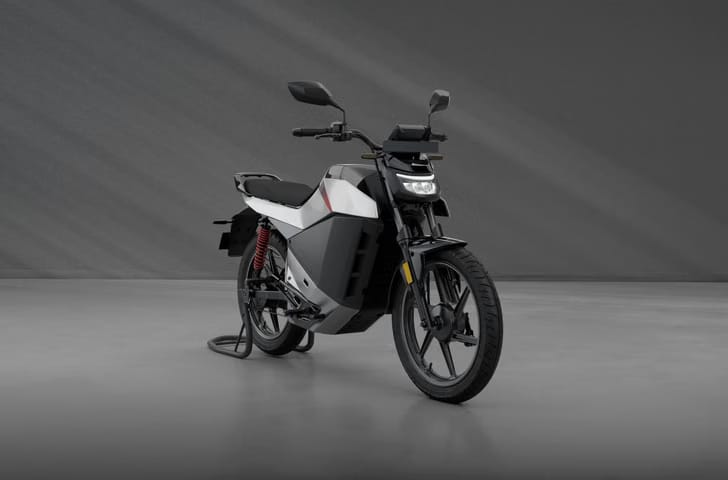
Ola Roadster Ignites Price War: Is a Sub-80K Electric Motorcycle a Game Changer or a Desperate Bid?
A Strategic Pivot in a Saturated Market: Ola's Bold Price Slash
Decoding the Ola Roadster Price Revolution: Specifications and Accessibility
Navigating the Storm: Ola Electric's Sales Challenges and Future Trajectory
Pros & Cons of Ola's Aggressive Price Strategy
Pros:
Cons:
The Road Ahead: What Does This Mean for Ola and the EV Market?
Conclusion: Riding the Electric Wave – A Challenging Future Awaits