The automotive world is constantly buzzing with anticipation for what's next, and few brands capture that excitement quite like Hyundai. For years, the Hyundai i20 has carved out a formidable reputation as a benchmark in the premium hatchback segment, consistently pushing boundaries in design, features, and driving dynamics. Now, the rumour mill has gone into overdrive, fueled by recent spy shots circulating online. The next-generation i20, shrouded in mystery and heavy camouflage, has been caught in the wild once again, offering our keen-eyed journalists a tantalising peek into its meticulously redesigned interior. This isn't just another refresh; we're looking at a ground-up evolution, promising to redefine expectations for what a compact yet sophisticated vehicle can offer. Will it live up to the hype, or will Hyundai's ambitious plans face unexpected roadblocks?
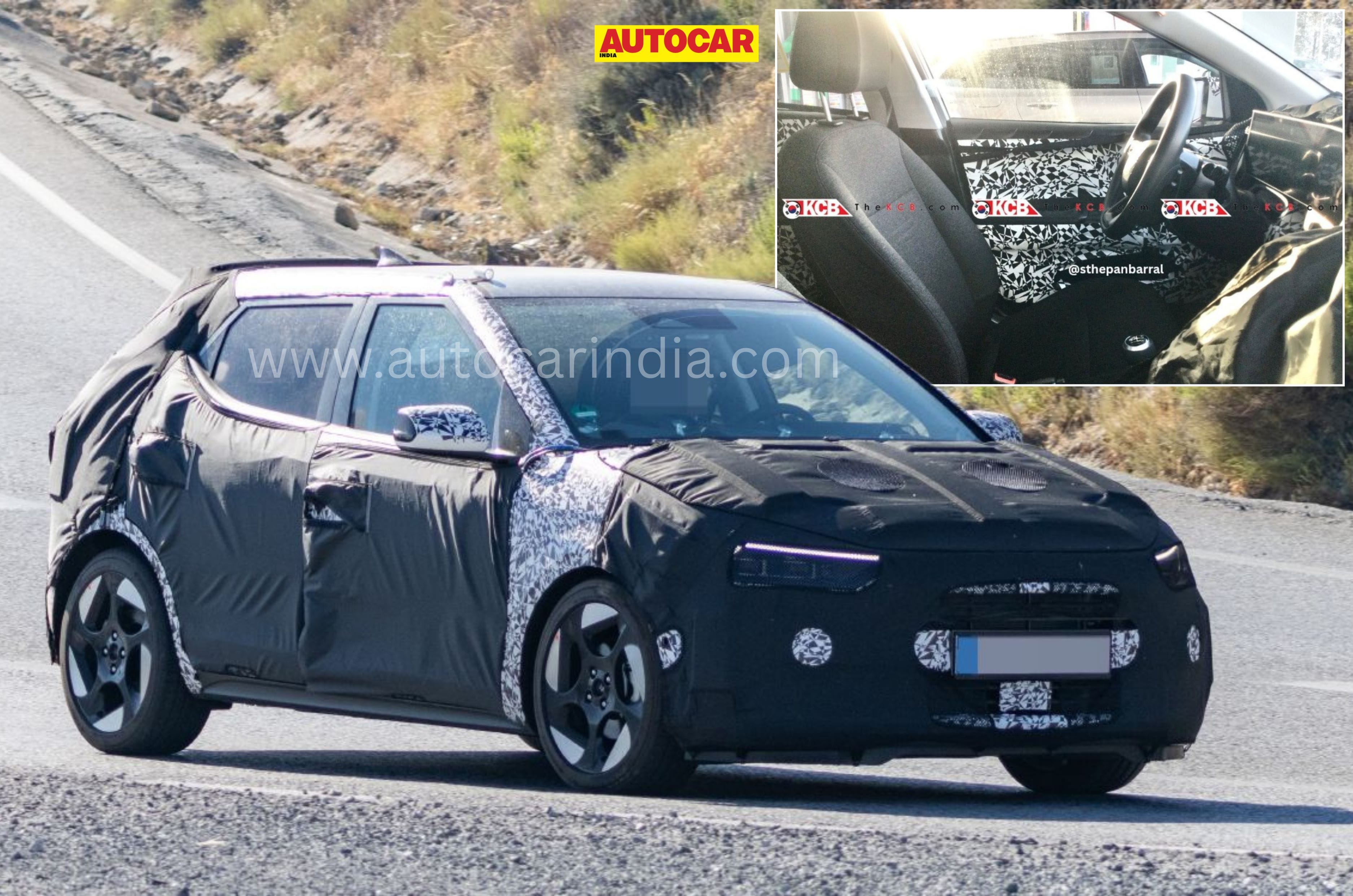
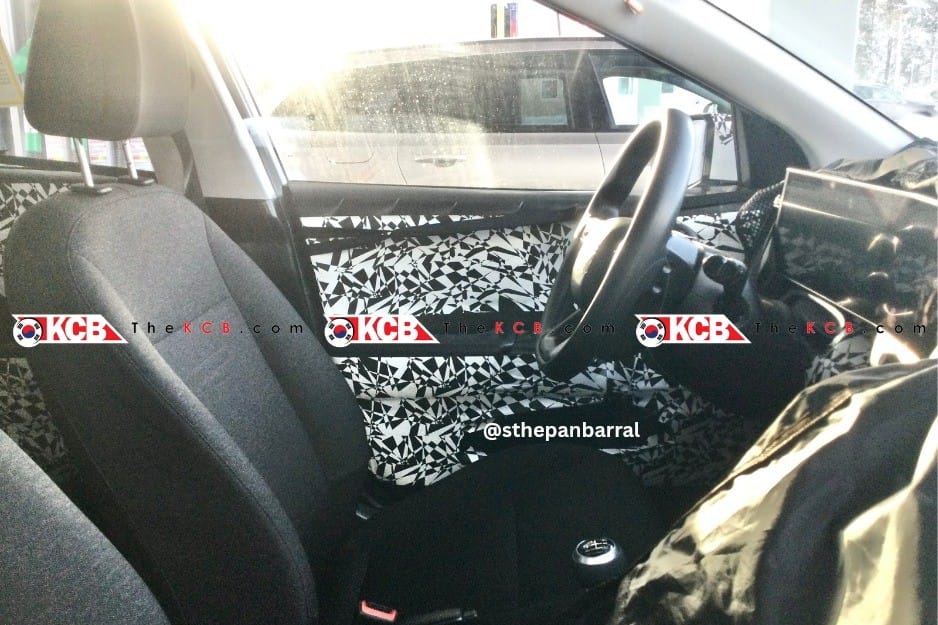
Please note: As per content rules, images are not included. However, the initial spy image (depicted as 'Next-gen Hyundai i20 interior spied') revealed a heavily camouflaged test mule with clear visibility of a significant interior overhaul, particularly a dual-screen setup. Another detailed interior shot (credited to thekoreancarblog.com) further showcased the curved display and new steering wheel, while an additional image offered a broader perspective of the cabin's evolving aesthetics.
The latest spy photographs offer the most comprehensive look yet at the fourth-generation i20's cabin, confirming a bold departure from the current model's design philosophy. What immediately jumps out is the adoption of a cutting-edge dual-screen layout, reminiscent of premium offerings and, more specifically, drawing inspiration from Hyundai’s own second-generation Venue. This integrated, curved display for both the infotainment system and the digital instrument cluster signals a significant step up in terms of technological sophistication and cockpit aesthetics. This move aims to deliver a more immersive and futuristic user experience, placing essential information and entertainment at the driver's fingertips in a sleek, cohesive package. Beyond the impressive dual screens, the spy shots also highlight a redesigned steering wheel. While details are scarce, whispers suggest it could incorporate Hyundai’s new signature 'H' letter in Morse code, a subtle yet distinctive touch previously seen in global models like the Kona. This small detail, while seemingly minor, could signify a broader brand identity shift. Furthermore, the new i20 is poised to inherit a suite of advanced features from its stablemates, including a highly anticipated 360-degree camera system for unparalleled parking and maneuvering ease, and potentially even Advanced Driver-Assistance Systems (ADAS) capabilities, mirroring the Venue. This would be a significant enhancement for the segment, offering a substantial safety and convenience upgrade. Expected to continue its legacy of feature-rich offerings, the next-gen i20 will likely retain popular amenities such as an electric sunroof, seamless wireless Apple CarPlay and Android Auto integration, a wireless phone charger for ultimate convenience, and perhaps even an integrated dash cam for added security. Hyundai’s sophisticated connected car technology and customizable drive modes are also expected to make a return, further enhancing the personalized driving experience. Ambient lighting, a popular feature for setting the mood, will likely continue to adorn the cabin, albeit with potential enhancements in customization or dynamic effects. These additions underscore Hyundai’s commitment to providing a premium experience that extends beyond mere transportation, blending convenience with cutting-edge technology. While the interior takes centre stage in these spyshots, glimpses of the exterior, despite heavy camouflage, also hint at an evolutionary design. The test mule was observed sporting revamped LED headlamps and distinctive DRLs, suggesting a sharper and more aggressive front fascia. A new grille design is also evident, likely adopting Hyundai's cascading grille philosophy with a fresh interpretation. The alloy wheels, crucial for curb appeal, feature a new dual-tone design with an intriguing star pattern, indicating a move towards more dynamic and eye-catching aesthetics. At the rear, expect a more raked windscreen for a sportier profile, along with redesigned LED tail-lamps and a high-mounted stop lamp, refining the i20’s already contemporary silhouette. This combination of interior tech and exterior style promises to keep the i20 at the forefront of its segment. Under the hood, the next-gen i20 is expected to offer a blend of familiar and innovative powertrain options. The reliable 1.2-litre petrol engine, producing 88hp and 115Nm of torque, is highly likely to continue its tenure, paired with either a smooth 5-speed manual transmission or a convenient CVT gearbox. This engine has been a cornerstone of the i20’s appeal, offering a balance of efficiency and urban drivability. For enthusiasts craving more zest, the N-Line variant is anticipated to retain its spirited 1.0-litre turbo-petrol engine, delivering 120hp and 172Nm. This unit, known for its punchy performance, will likely be offered with a choice of a precise 6-speed manual or a quick-shifting 7-speed DCT gearbox, catering to those who prioritize driving engagement. However, the most significant development on the powertrain front is the strong likelihood of a strong-hybrid option. In 2025, Hyundai announced ambitious plans to introduce eight hybrid models in India by FY2030, and the i20 is a prime candidate for this green revolution. The carmaker is reportedly developing a new 1.2-litre turbo-petrol engine specifically for the Indian market, which could be hybridized to power the next-gen i20. This strategic move aligns with global trends towards electrification and stricter emission norms, positioning the i20 as a forward-thinking choice for environmentally conscious buyers. While a hybrid variant would undoubtedly command a premium, its promise of enhanced fuel efficiency and reduced emissions could be a compelling proposition, albeit one that needs careful market positioning to justify its higher cost. The success of this hybrid venture will largely depend on consumer acceptance and the perceived value proposition against conventional powertrains. The new-generation Hyundai i20 is expected to make its debut in India by FY2027-28, launching after the India-bound Bayon SUV, with which it will share its underlying platform. This platform commonality is a strategic move to optimize manufacturing costs and leverage Hyundai’s global engineering prowess, potentially allowing for more advanced features to trickle down to the i20. Given the substantial upgrades in technology, design, and the potential inclusion of hybrid powertrains, the next-gen i20 is almost certainly going to command a higher price tag than the current model. The existing i20 and i20 N-Line range from approximately Rs 5.99 lakh to Rs 11.67 lakh (ex-showroom). We anticipate the new model’s pricing to start closer to the Rs 6.5-7 lakh mark, potentially extending well beyond Rs 12 lakh for the top-tier and hybrid variants. The premium hatchback segment is fiercely competitive, with established rivals such as the Maruti Baleno, Tata Altroz, and Toyota Glanza constantly vying for market share. While the i20 has historically been a strong contender, the increased pricing could present a challenge in a market highly sensitive to value. Hyundai will need to justify the premium through an unparalleled feature set, superior build quality, and the tangible benefits of hybrid technology. Moreover, a launch timeline of FY2027-28 is quite distant. In the fast-evolving Indian automotive landscape, two to three years can see significant shifts in consumer preferences and technological advancements from competitors. Hyundai will need to ensure the i20 remains ahead of the curve, not just at launch but throughout its lifecycle, to fend off rising challengers. The spy shots of the next-gen Hyundai i20 underscore Hyundai's unwavering commitment to innovation and market leadership. With a radically redesigned interior boasting dual screens, the integration of advanced safety features like ADAS, and the strategic embrace of hybrid technology, the i20 is poised to redefine the premium hatchback segment once again. While the anticipated launch in FY2027-28 might feel a distant horizon, and the inevitable price hike could spark debate among value-conscious consumers, Hyundai is clearly aiming for a vehicle that doesn't just meet but anticipates future automotive trends. The blend of sophisticated design, cutting-edge technology, and a focus on efficiency suggests a compelling package that, despite its potential challenges, is set to keep rivals on their toes. As we await more official details, one thing is clear: the next-gen Hyundai i20 is shaping up to be a game-changer, promising a driving experience that is both exhilarating and environmentally conscious. The stage is set for an exciting evolution, and we at Autocar India will be here every step of the way to bring you the latest.Exclusive Deep Dive: Next-Gen Hyundai i20 Interior Spied – A Glimpse into the Future of Premium Hatchbacks
A Radical Interior Transformation: What the Spy Shots Reveal
New Steering Wheel, Advanced Features, and Connectivity
Exterior Evolution: Subtle Yet Significant Updates
Powertrain Prospects: Embracing the Hybrid Future
The Hybrid Imperative: Hyundai's Strategic Shift
Market Positioning, Pricing, and the Road Ahead
Competitive Landscape and Potential Challenges
Next-Gen Hyundai i20: Pros & Cons (Anticipated)
Conclusion: The i20's Ambitious Leap Forward