
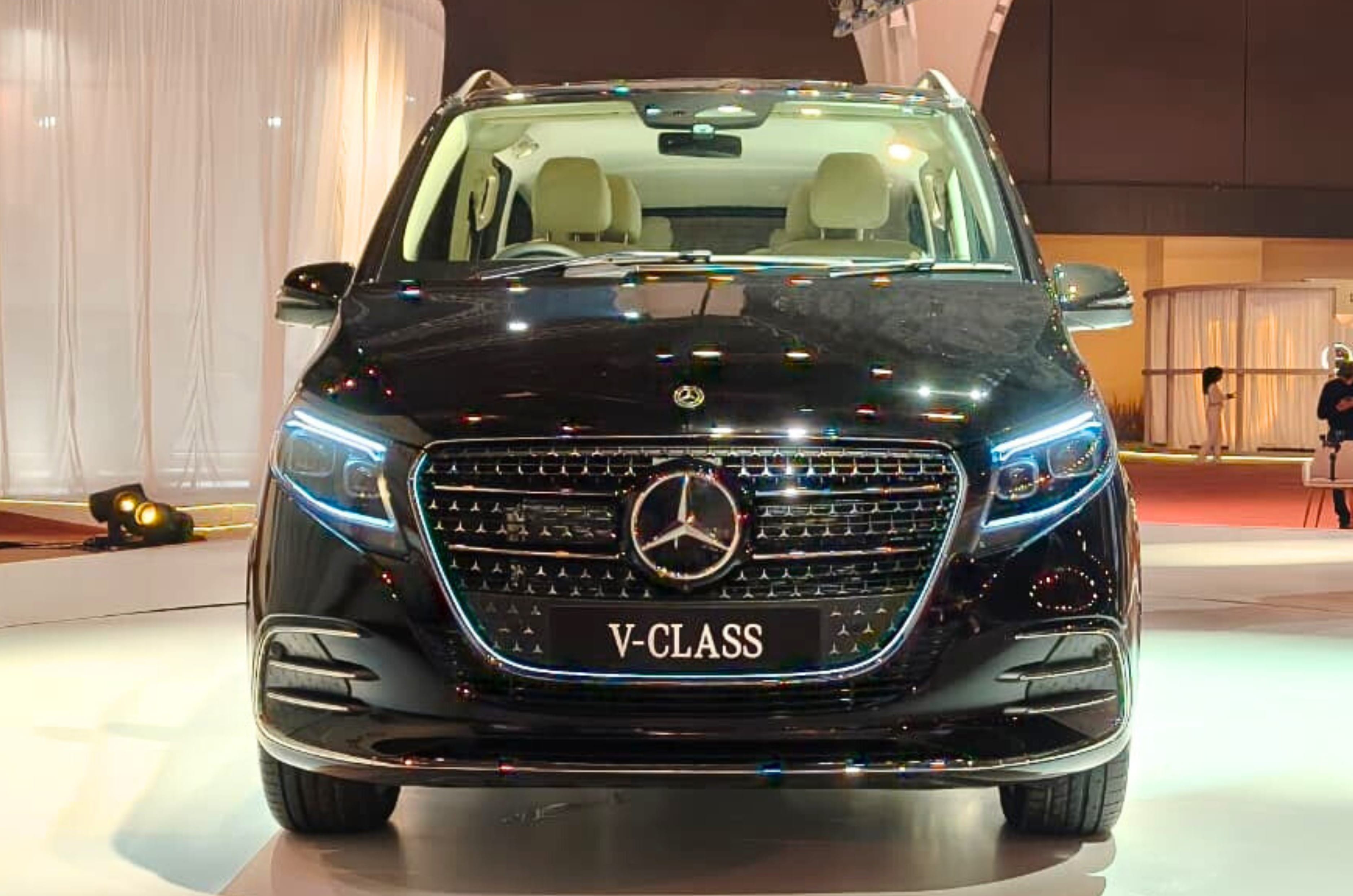
In a dynamic automotive landscape increasingly dominated by high-riding SUVs and traditional luxury sedans, Mercedes-Benz India is making a bold, almost defiant, move. The German luxury marque has reignited its presence in the niche, yet burgeoning, luxury MPV segment with the re-introduction of the V-Class. Priced starting at an ambitious Rs 1.4 crore, this premium people-mover isn't just another addition to Mercedes' expansive portfolio; it's a strategic gambit aimed at carving out a new 'white space' in the Indian luxury market. With a target of achieving \"certain triple-digit volumes\" annually, Mercedes-Benz India, under the astute leadership of Managing Director and CEO Santosh Iyer, is not chasing mere numbers but rather an expansion of the addressable luxury market itself. The question remains: is India truly ready for a luxury van at this price point, or is Mercedes-Benz venturing into a territory fraught with skepticism and formidable competition? This deep dive explores the strategy, the vehicle, and the market dynamics surrounding the V-Class's high-stakes return.
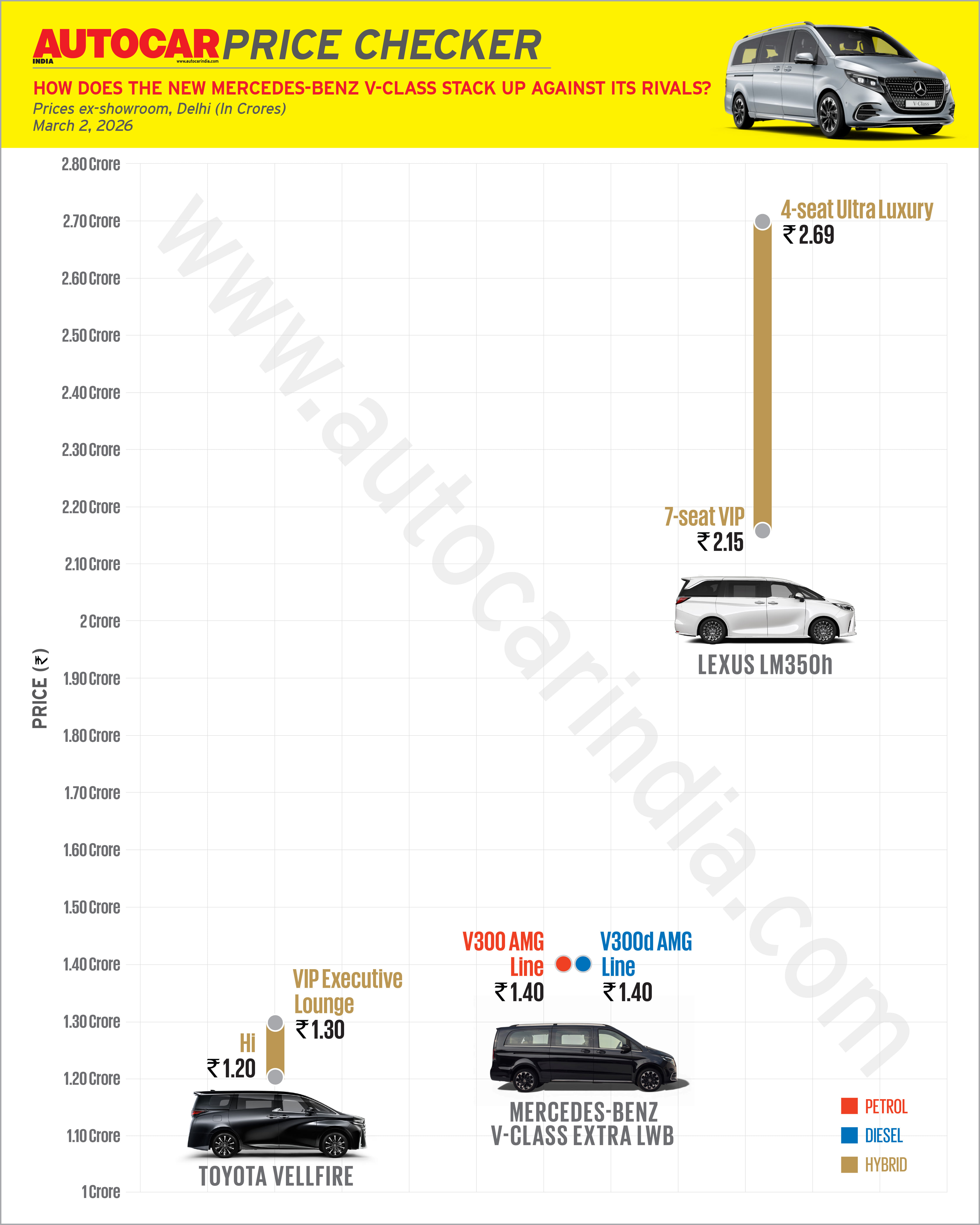
The story of the V-Class in India isn't entirely new. Mercedes-Benz previously offered this model in 2019, but as Santosh Iyer candidly admits, \"the segment was not mature at the time.\" Fast forward to today, and the market dynamics have shifted considerably. Affluent Indian consumers are increasingly seeking versatile, comfortable, and luxurious mobility solutions that go beyond the conventional sedan or SUV. This evolving demand, Mercedes-Benz believes, has created a significant \"vacant space between Rs 1 crore and Rs 2 crore\" – a pricing sweet spot that the V-Class is poised to occupy.
Initially arriving as a Completely Built Unit (CBU), the V-Class will soon transition to local assembly in Pune later this year. This strategic move is crucial for maintaining competitive pricing. Iyer explained that a fully imported V-Class would have retailed closer to Rs 2 crore, a price point that might have severely restricted its market appeal. By leveraging local assembly, Mercedes-Benz aims to introduce the V-Class at Rs 1.4 crore, making it a more compelling, albeit still premium, proposition. This not only supports sustainable volumes but also reflects a deeper commitment to the Indian market.
Mercedes-Benz positions the V-Class not as a primary vehicle, but rather as a highly specialized second or third car for its discerning clientele. \"This will not be the only car in the family,\" Iyer affirmed, envisioning its role for everything from seamless airport transfers and luxurious weekend getaways to a mobile executive lounge for working on the move. This deliberate positioning highlights an understanding that while traditional luxury sedans and SUVs fulfill everyday needs, the V-Class caters to a specific lifestyle demanding unparalleled space, comfort, and chauffeur-driven luxury. The model enters a landscape currently occupied by the likes of the highly popular Toyota Vellfire and the ultra-exclusive Lexus LM, aiming to sit squarely between them in terms of prestige and price, offering a distinct German alternative.
The reintroduction of the V-Class is far from an isolated product launch; it's an integral component of Mercedes-Benz India's overarching 'Top-End Vehicle (TEV)' strategy. This strategy emphasizes strengthening the company's premium and ultra-premium portfolio, a segment that has been a significant driver of revenue growth, even amidst broader market fluctuations. The numbers speak for themselves: an impressive one in four Mercedes-Benz cars sold in India now belongs to the top-end segment, which recorded a robust 11 percent growth last year.
While total sales volumes for 2025 saw a slight dip of around 2 percent year-on-year, closing at 19,007 units, Mercedes-Benz India paradoxically recorded its highest-ever revenue. This seemingly contradictory trend is a direct result of the richer product mix. The focus on higher-margin, top-end models has significantly pushed up the average selling price of a Mercedes-Benz vehicle in India to approximately Rs 1 crore. \"That clearly shows the kind of mix we are selling,\" Iyer remarked, underscoring the success of their strategy to prioritize profitability and brand value over sheer unit numbers.
\"We are not chasing volume for the sake of it,\" Santosh Iyer stressed, highlighting Mercedes-Benz's commitment to \"grow steadily and protect brand and residual values.\" This philosophy guides their ambitious plan to launch 12 new models this year, encompassing both internal combustion engine (ICE) and electric powertrains, with a clear focus on core and top-end segments. The V-Class, therefore, is not merely a vehicle but a statement – a testament to Mercedes-Benz's confidence in the evolving tastes of Indian luxury consumers and its determination to lead that evolution.
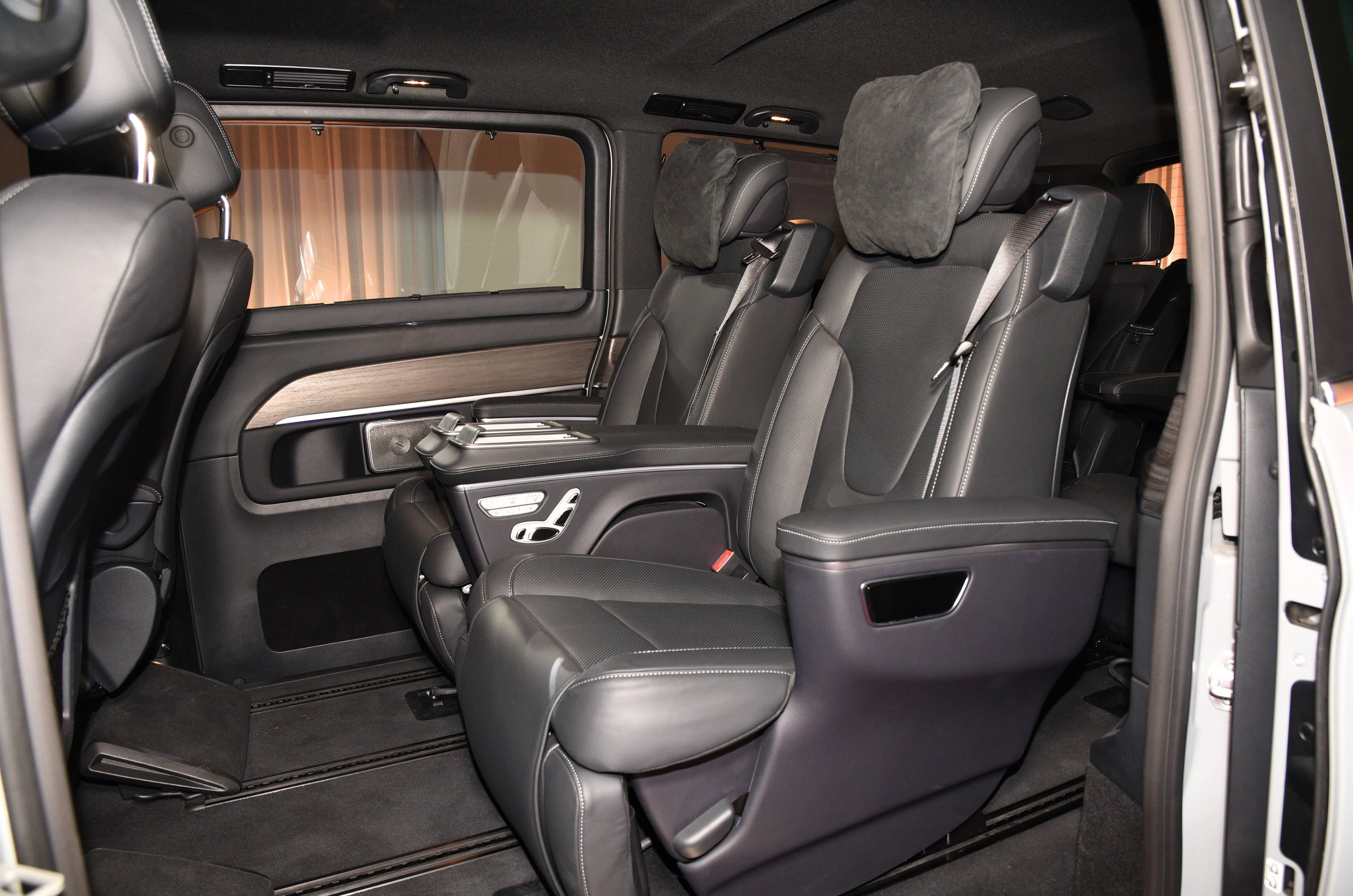
At its core, the V-Class is meticulously engineered to deliver an unparalleled chauffeur-focused luxury experience. Every element, from its interior configuration to its dynamic capabilities, is geared towards maximizing rear-seat comfort and exclusivity. Passengers are cocooned in opulent surroundings, featuring individual luxury captain seats that offer extensive adjustability and support, transforming journeys into serene experiences. The ride quality is further elevated by the advanced Airmatic suspension system, which intelligently adapts to road conditions, ensuring a plush and composed ride even on challenging Indian roads.
Privacy and refinement are paramount. Heat-insulating glass, coupled with rear blinds, creates a private sanctuary within the cabin, shielding occupants from prying eyes and external elements. For entertainment and immersive audio, a premium 15-speaker Burmester sound system envelops the cabin in rich, high-fidelity sound, turning every trip into a concert hall experience. Safety, as expected from Mercedes-Benz, is uncompromising. The V-Class comes equipped with seven airbags and a suite of advanced driver assistance features, including Active Lane Assist and DISTRONIC, ensuring peace of mind for both occupants and the driver.
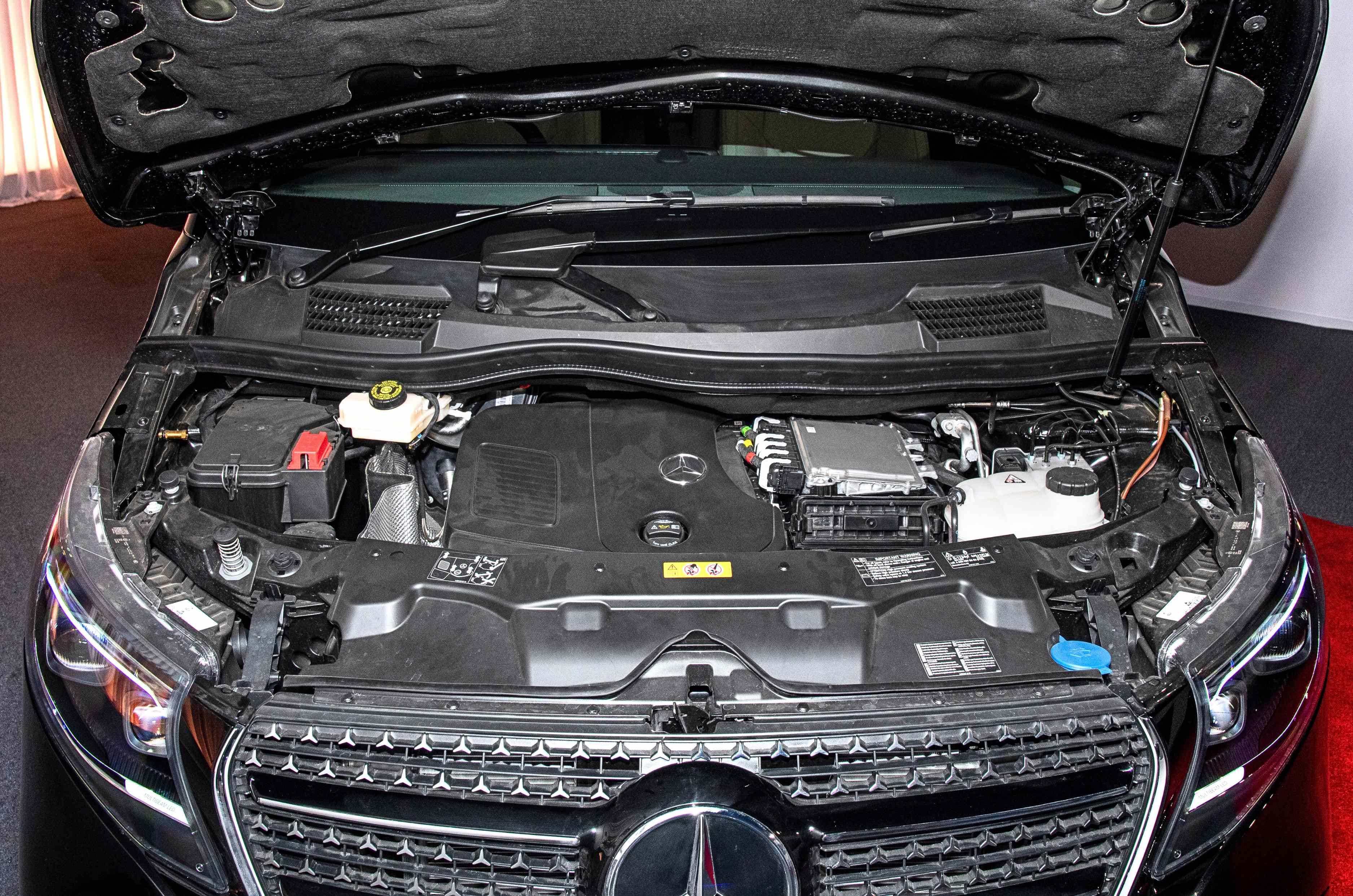
Under the hood, the Indian V-Class offers a choice of two robust engine options. The petrol variant generates a healthy 231hp and benefits from mild-hybrid assist, providing a blend of performance and enhanced fuel efficiency. For those who prefer the traditional Mercedes diesel prowess, a powerful diesel engine delivers 237hp, promising strong torque and effortless cruising. These powertrains are designed to provide a refined and responsive driving experience, whether navigating city traffic or cruising on highways.
While electrification remains a cornerstone of Mercedes-Benz's global long-term roadmap, particularly with electric vans under development, the fully electric V-Class (or its EQV equivalent) is not slated for an immediate Indian introduction. \"We will evaluate once the global car is launched. Nothing for this year,\" confirmed Iyer, indicating a cautious approach tailored to market readiness and charging infrastructure. Similarly, a plug-in hybrid variant is currently not under consideration for the Indian market, suggesting a focus on proven ICE and mild-hybrid technologies for now. This conservative stance on electrification for the V-Class in India, while pragmatic, might leave some environmentally conscious luxury buyers wanting more from a premium vehicle in 2024.
The return of the Mercedes-Benz V-Class to the Indian market is a testament to the brand's confidence in the country's burgeoning luxury segment and its willingness to take calculated risks. It signifies a mature understanding that luxury in India is no longer monolithic; it's diversifying, and consumers are seeking bespoke solutions for their distinct lifestyles. While the Rs 1.4 crore price tag and the niche nature of the luxury MPV segment might invite skepticism, Mercedes-Benz India's strategic approach – from precise market identification and phased localization to unwavering focus on top-end vehicles – indicates a well-thought-out plan.
The V-Class isn't just about selling a vehicle; it's about redefining luxury mobility and expanding the very definition of a premium garage in India. As affluent buyers increasingly prioritize comfort, space, and versatile utility without compromising on prestige, the V-Class stands poised to capture a segment that was once deemed immature. Its success will not only validate Mercedes-Benz's bold vision but also pave the way for other luxury players to explore similar unconventional avenues. Only time will tell if this German luxury van truly becomes a game-changer or remains a niche offering, but one thing is certain: Mercedes-Benz India is not afraid to challenge the status quo, and that, in itself, is a powerful statement. The road ahead for the V-Class may be unique, but it's undoubtedly one to watch closely.
Mercedes-Benz V-Class Returns: India's Luxury MPV Segment Gets a Rs 1.4 Crore Game Changer, But Can It Conquer Skeptics?
The V-Class Vision: Redefining Luxury Mobility in India
The V-Class and Mercedes-Benz India's Top-End Vehicle Strategy
Mercedes-Benz V-Class: A Deep Dive into Luxury, Features, and Future Prospects
Pros & Cons: Weighing the V-Class Proposition
Pros:
Cons:
Conclusion: A Bold Bet on India's Evolving Luxury Palate