
For millions of vehicle owners across India, the mere thought of relocating to another state often comes with a looming bureaucratic headache: the inter-state vehicle transfer process. The formidable challenge of obtaining a No Objection Certificate (NOC) from the original state's Regional Transport Office (RTO) has long been a major pain point, synonymous with endless queues, stacks of paperwork, and frustrating delays. But what if this arduous journey was soon to become a relic of the past? A significant proposal is now under the Ministry of Road Transport and Highways' (MoRTH) consideration, poised to simplify inter-state vehicle transfers dramatically by potentially eliminating the NOC requirement altogether. This isn't just about easing paperwork; it signals a pivotal shift towards a more digitized, efficient, and owner-centric automotive regulatory landscape. This transformative recommendation stems from a high-level committee convened by NITI Aayog, India's premier policy 'think tank.' Beyond the NOC, the committee has also cast its gaze on another long-standing regulatory framework: the age-based restrictions on vehicles. Their suggestion to transition towards fitness-based eligibility norms marks another profound potential change, challenging the conventional wisdom that dictates a vehicle's roadworthiness purely by its years of service. These proposed reforms collectively promise a paradigm shift, fostering greater mobility, transparency, and potentially, a more sustainable approach to vehicle ownership and usage in India. Imagine the scenario: you're relocating from Mumbai to Bengaluru for a new job. Your car, an essential part of your daily life, needs to come with you. The immediate task at hand involves re-registering your vehicle in Karnataka, a process that, under current regulations, is notoriously cumbersome. The linchpin of this entire operation is the No Objection Certificate (NOC) from the Maharashtra RTO where your vehicle was initially registered. This document serves as an assurance that your vehicle is free of any encumbrances – no pending road taxes, no outstanding challans (traffic fines), and no involvement in any criminal activities. The practical implications of obtaining this NOC are far-reaching. Vehicle owners often face a labyrinthine journey, requiring multiple visits to the originating RTO, submission of various documents (registration certificate, fitness certificate, tax receipts, pollution control certificate, insurance, etc.), and often, a considerable waiting period. This physical dependence on the original RTO often leads to: The underlying rationale for the NOC was to ensure proper revenue collection for state road taxes and to maintain a robust record of vehicle ownership. However, in an increasingly digital world, the manual NOC system has become an outdated bottleneck, hindering seamless inter-state mobility and economic activity. The NITI Aayog committee's recommendations offer a much-needed breath of fresh air, leveraging India's burgeoning digital infrastructure to dismantle these long-standing barriers. The cornerstone of their proposal is the introduction of an auto-generated clearance system, which would entirely bypass the need for a physical NOC from the original RTO. At the heart of this proposed system lies the centralized VAHAN database. VAHAN, a flagship e-governance application under the Ministry of Road Transport and Highways, already digitally stores comprehensive vehicle records from RTOs across the country. This includes registration details, ownership history, tax payments, and challan information. The committee rightly observed that with such a robust digital backbone already in place, the verification process for pending dues and vehicle records could be carried out automatically by the destination state's RTO, eliminating the need for a separate, physical NOC. The benefits of this auto-generated clearance system are manifold and represent a significant leap forward: However, it's crucial to acknowledge the potential hurdles that such a significant shift might encounter. While the VAHAN database is comprehensive, ensuring 100% real-time data accuracy across all RTOs remains a formidable task. Any discrepancies could lead to complications. Moreover, the robust cybersecurity infrastructure to protect this sensitive data from breaches would need to be paramount. Some critics might also raise concerns about states potentially losing oversight or control over vehicles originating from their jurisdiction, though the digital trail should theoretically enhance traceability. Parallel to the NOC reform, the NITI Aayog committee has also turned its attention to another outdated aspect of India's automotive regulations: the age-based restrictions on vehicles. Currently, many rules, particularly for commercial vehicles like taxis, buses, and goods carriers, impose age limits. For instance, in some cities, commercial vehicles might be mandated to be scrapped after 10 or 15 years, irrespective of their actual condition. The committee argues that these age-based rules are arbitrary and inefficient. They often force perfectly functional and well-maintained vehicles off the road, leading to significant economic losses for vehicle owners and operators. A vehicle that is regularly serviced and meticulously maintained could easily outperform a newer, poorly kept counterpart in terms of safety and emissions, yet the former is penalized solely for its age. The proposed solution is a shift to fitness-based eligibility norms. This framework would mandate regular and stringent fitness inspections, similar to the MOT tests in the UK or TÜV inspections in Germany. Under such a system, a commercial vehicle that meets all safety, emissions, and structural integrity standards could continue operating, regardless of its manufacturing date. This approach would require: The advantages of this fitness-first approach are compelling: Nevertheless, the implementation of such a system requires careful planning and significant investment. The potential for corruption in fitness centers, if not strictly regulated, could undermine the entire initiative. Ensuring uniformity in inspection standards across diverse states and establishing sufficient automated testing infrastructure are critical challenges that MoRTH and state transport departments would need to address. Moreover, there might be initial public apprehension or resistance from specific industry segments benefiting from the current scrapping policies. These far-reaching proposals, while promising, come with their own set of advantages and challenges. A balanced perspective is crucial to understanding their full impact. The proposals from the NITI Aayog committee, currently under examination by the Ministry of Road Transport and Highways, represent a bold vision for modernizing India's automotive regulatory framework. By focusing on digital efficiency and pragmatic criteria like vehicle fitness, the government aims to untangle decades of bureaucratic red tape and usher in an era of greater convenience, transparency, and economic vitality for vehicle owners and the automotive sector alike. This is more than just simplifying a few rules; it's about fostering an environment where vehicle ownership is less of a burden and more of an enabler for growth and mobility. While the journey from proposal to implementation will undoubtedly involve intricate policy discussions, technological integration, and stakeholder management, the potential rewards are immense. A seamless inter-state transfer process, coupled with a robust fitness-based regime, can significantly enhance the user experience, contribute to cleaner air, improve road safety, and unlock untapped economic potential. As India continues its rapid march towards digitization and ease of doing business, these reforms are not just desirable but essential. The automotive landscape is on the cusp of a significant transformation, promising a future where moving your vehicle across state lines is as simple as a few clicks, and a vehicle's value is truly judged by its condition, not just its age. We await MoRTH's decision with keen interest, hoping these changes pave the way for a truly frictionless and efficient automotive ecosystem.Revolutionizing Vehicle Ownership: India Considers Scraping Inter-State NOC Requirement and Age-Based Fitness Norms
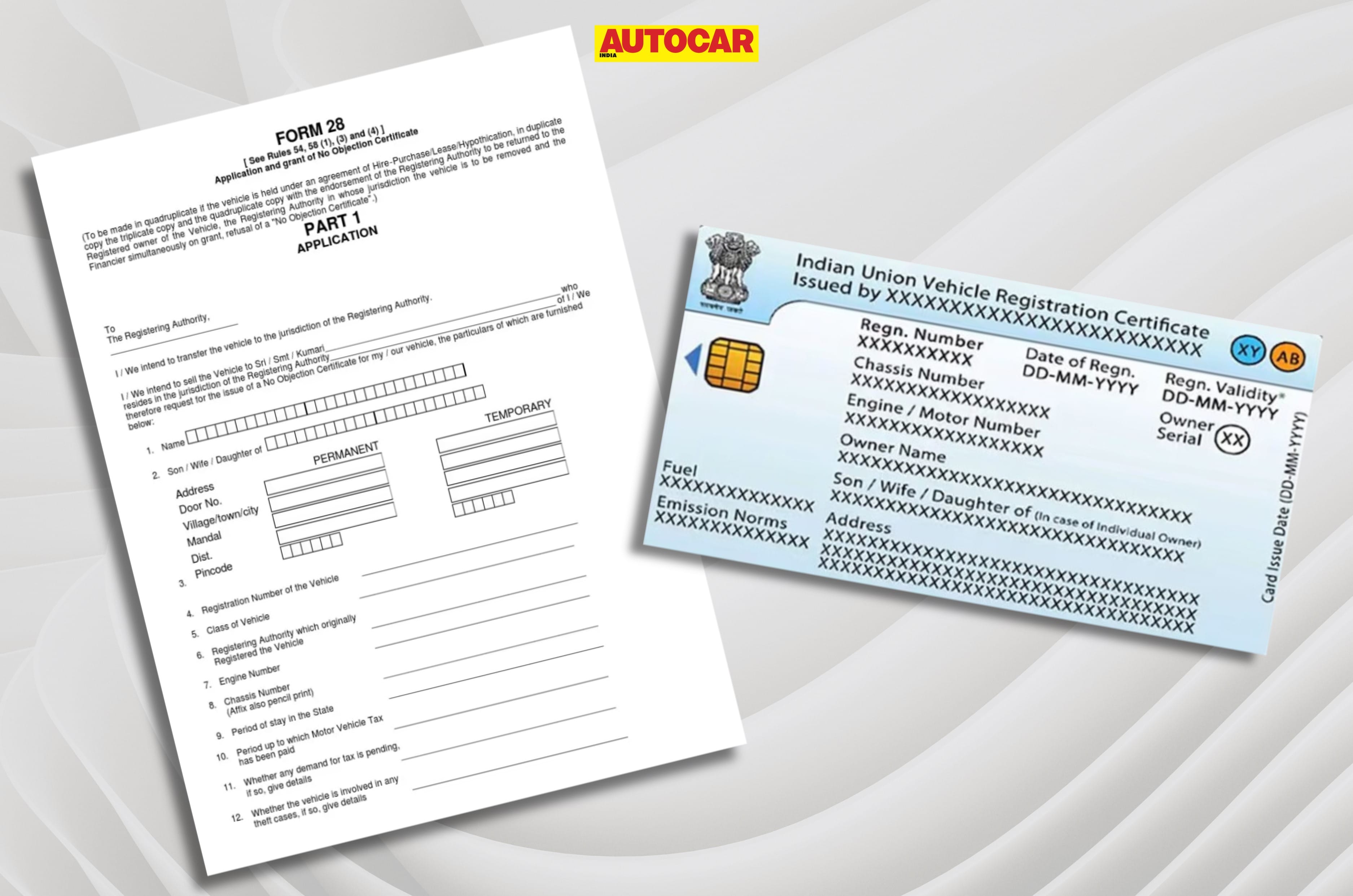
The Current Conundrum: Navigating Inter-State Vehicle Transfers
A Digital Dawn: Proposed Reforms for Seamless Inter-State Transfers
Beyond Age: Embracing a Fitness-First Approach for Vehicle Longevity
Pros & Cons of the Proposed Reforms
Pros: The Bright Side of Modernization
Cons: Navigating the Potential Pitfalls
The Path Forward: A Vision for India's Automotive Future