
In a move that has sent ripples of excitement and speculation through the global automotive industry, the venerable Freelander nameplate is set to return, not merely as a model, but as an entirely new, electrified brand. This ambitious revival comes courtesy of an expanded partnership between British luxury automotive giant Jaguar Land Rover (JLR) and its established Chinese joint venture counterpart, Chery Automobile. The announcement signals a profound strategic shift, marrying iconic British heritage with cutting-edge Chinese electrification technology and manufacturing prowess. Prepare for an electrified future where rugged capability meets sustainable innovation, challenging traditional perceptions of luxury and adventure.
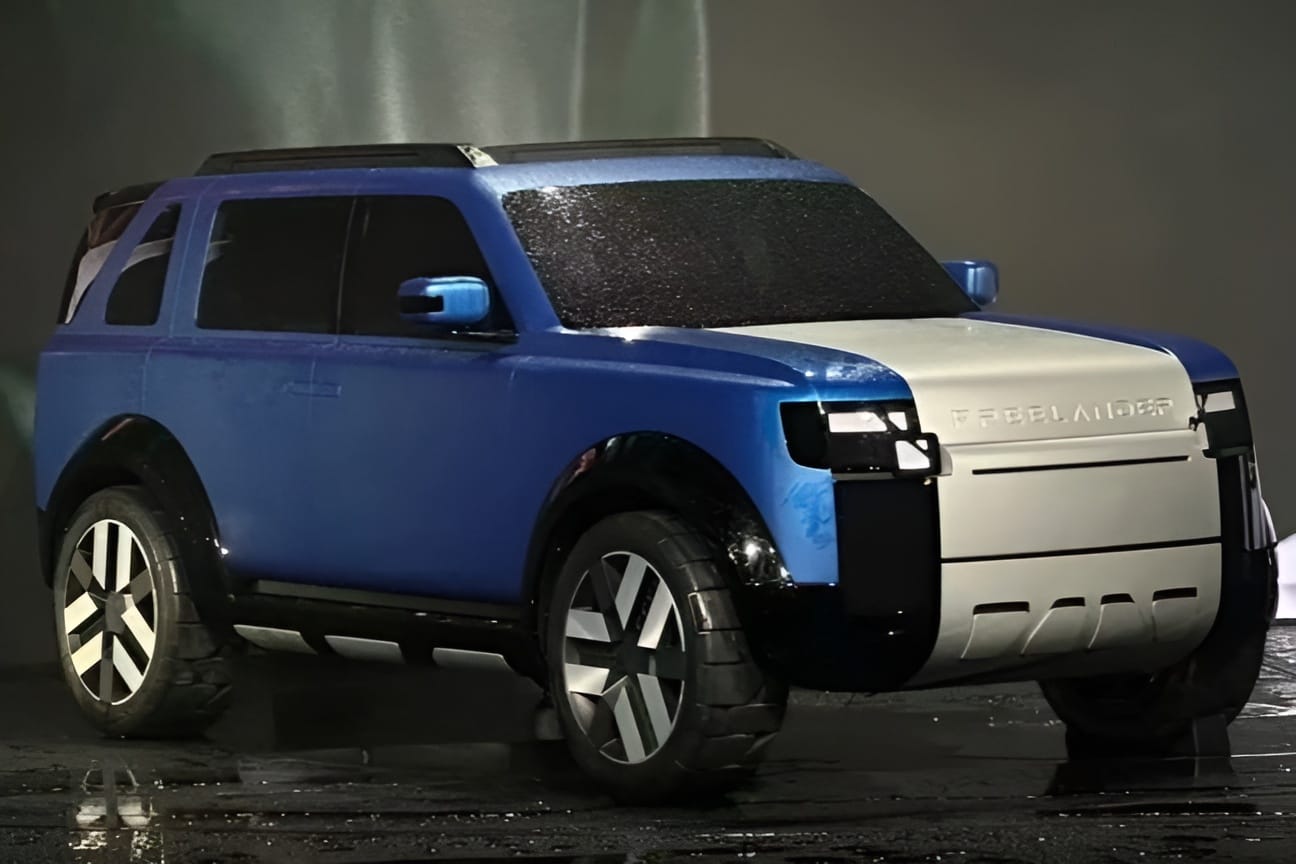
The Chery JLR Concept 97, offering a compelling glimpse into the future design language and electrified capability of the revived Freelander brand.
The original Land Rover Freelander, launched in 1997, was a trailblazer, democratizing the Land Rover experience by offering a more compact, accessible, and car-like SUV. It carved out a significant niche, becoming Europe’s best-selling 4x4 for several years. However, despite its early success and undeniable charm, the Freelander eventually gave way to the Land Rover Discovery Sport. Now, almost a decade after its discontinuation, the Freelander name is returning, not as a standalone model, but as the foundation for an entirely new brand. This pivotal decision by JLR and Chery underscores a keen understanding of automotive history combined with a forward-looking vision for electrification.
The visual preview, the Chery JLR Concept 97, as depicted, presents a sleek yet robust aesthetic, hinting at a design philosophy that balances contemporary elegance with the inherent go-anywhere attitude expected from a vehicle bearing the Freelander lineage. Its front quarter static view suggests a vehicle with confident proportions, potentially featuring clean lines, advanced lighting signatures, and a purposeful stance that promises both on-road sophistication and off-road readiness. The decision to leverage the existing Chery JLR joint venture, which has been successfully producing vehicles like the Discovery Sport and Evoque for the Chinese market since 2014, provides a robust manufacturing and distribution foundation. Learn more about the JLR-Chery partnership's history here.
The reintroduction of Freelander as an electrified brand is a strategic masterstroke, aiming to fill a crucial gap in JLR's global portfolio while capitalizing on the immense growth of the electrified SUV market, particularly in China. While Land Rover itself is steadily electrifying its core lineup with models like the Range Rover Electric, the new Freelander brand can target a slightly different demographic – potentially younger, more urban-focused, and perhaps more budget-conscious consumers who still desire the prestige and capability associated with the Land Rover family, but within a more accessible and modern package.
The \"Chery JLR\" designation for this new brand is significant. It underscores the deep collaboration and shared ownership of the venture, rather than simply being a JLR product built by Chery. This co-branding could lend credibility and access to Chery's extensive supplier network and advanced electric vehicle architecture expertise, while JLR provides the design language, engineering refinement, and brand prestige. The immediate focus is on the Chinese market, a global powerhouse for EV adoption and a critical strategic territory for any automotive manufacturer. However, the plan to eventually export these models globally opens up vast opportunities, potentially positioning Freelander as a new international player in the mid-range electrified luxury SUV segment. This strategy helps JLR expand its global reach without diluting the ultra-premium positioning of Range Rover and Defender brands, or the sporting luxury of Jaguar.
The aggressive product cadence – a new model every six months – is indicative of the intense competition in the electrified SUV space. Brands from Tesla to Mercedes-Benz, BMW, and a host of emerging Chinese EV manufacturers are all vying for market share. To stand out, Freelander must not only deliver compelling design and advanced powertrains but also offer a distinct brand identity and user experience. This rapid rollout suggests a modular platform strategy, allowing for efficient development and diversification of models, from compact crossovers to potentially larger family SUVs, all united by the Freelander ethos of accessible adventure.
No automotive venture, however promising, comes without its potential challenges and benefits. The resurrection of Freelander is a calculated risk, brimming with both exciting prospects and potential pitfalls.
Addressing these potential drawbacks will be paramount for the long-term success of the new Freelander brand. Clear messaging about its unique identity, rigorous quality control, and a distinct positioning within the JLR family will be essential.
The revival of the Freelander nameplate as a dedicated electrified brand is a testament to the dynamic evolution of the automotive industry. It's a clear signal that JLR is committed to embracing electrification not just within its established luxury offerings but across new, strategically positioned segments. The partnership with Chery is more than just a manufacturing agreement; it's a synergistic blend of design heritage, engineering expertise, and future-forward technology. Visit Chery's official site to explore their advancements here.
The commitment to an electrified 4x4 SUV as the first model ensures that the core tenets of Land Rover — capability and adventure — remain central to the Freelander identity. The promise of a rapid succession of models, offering a flexible choice of EV, PHEV, and range-extender powertrains, positions the brand for significant global impact. While challenges remain in brand perception and fierce competition, the strategic foresight and aggressive execution planned for the Freelander brand suggest a compelling future. This isn't just a comeback; it's a bold leap into a new era of sustainable, yet uncompromisingly capable, adventure vehicles.
The automotive world will be watching closely as the Chery JLR Freelander brand unfolds its vision, starting with the intriguing Concept 97. This collaborative effort represents a significant juncture for both companies, potentially forging a new path for established brands seeking to thrive in a rapidly electrifying world. The question isn't just if Freelander will succeed, but how profoundly it will redefine the landscape of accessible, electrified luxury SUVs for a new generation of drivers.
Freelander Reimagined: Chery JLR's Bold Electrified Strategy Revives an Automotive Icon
A Legacy Reborn: The Freelander's Electrified Odyssey Begins
Strategic Implications and Market Positioning: Blending Heritage with Innovation
The Road Ahead: Pros and Cons of the Freelander Rebirth
Pros:
Cons:
Looking Ahead: The Future of Electrified Adventure